1909 Ford Model T
2dr Coupe
4-cyl. 177cid/22hp 1bbl
Forecasted Values
BetaPhotos
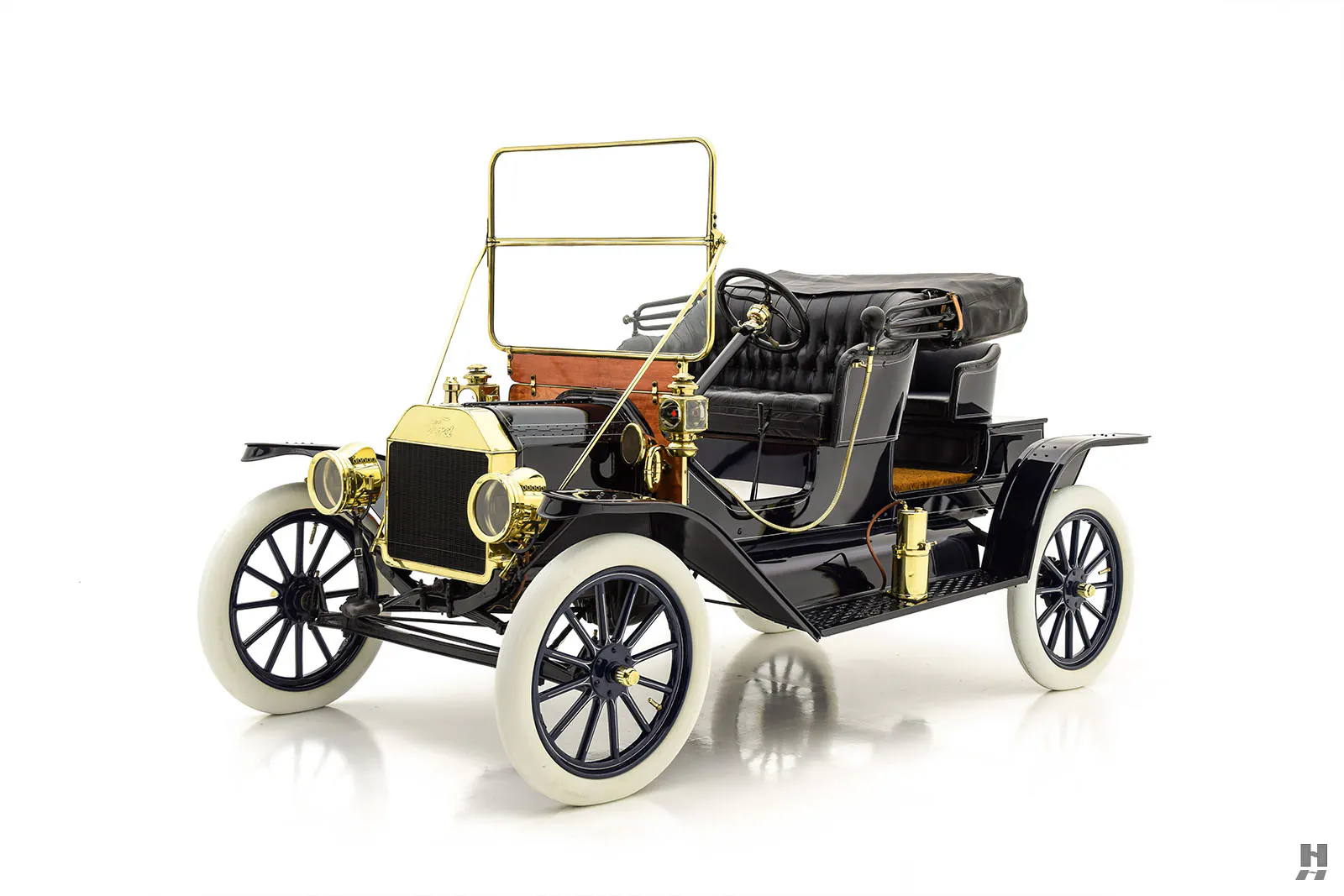
1912 Ford Model T Roadster courtesy of Hyman, Ltd.
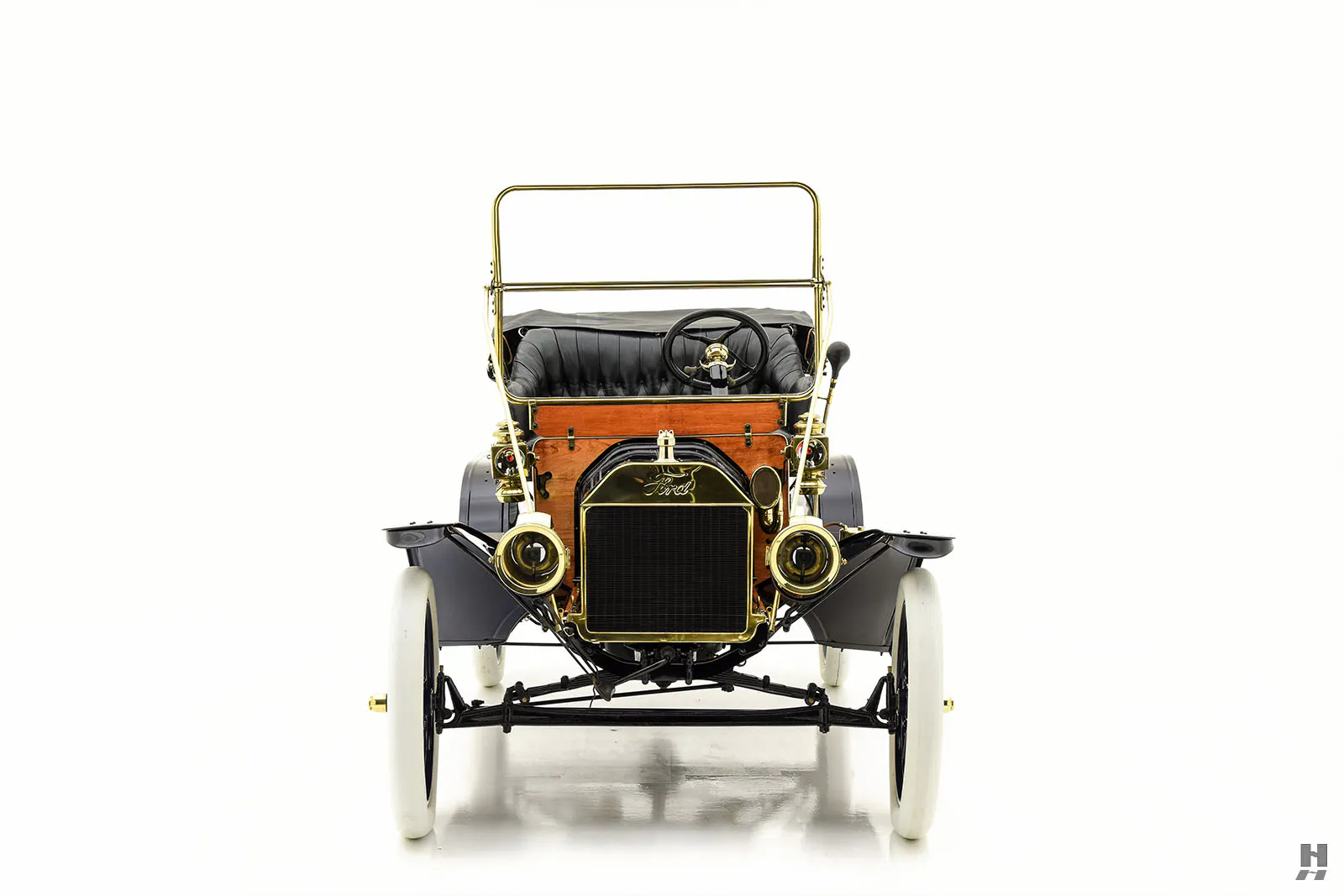
1912 Ford Model T Roadster courtesy of Hyman, Ltd.
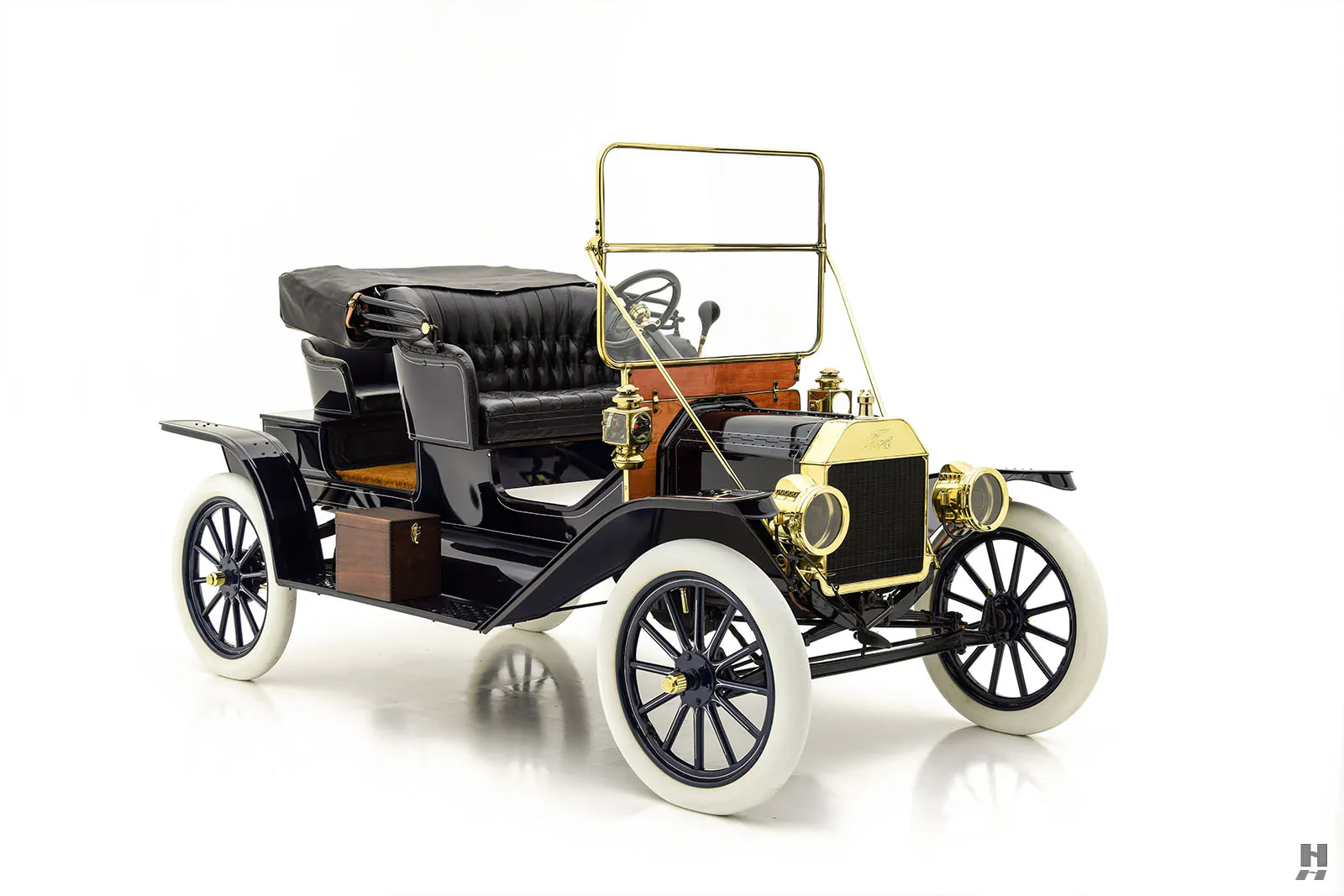
1912 Ford Model T Roadster courtesy of Hyman, Ltd.
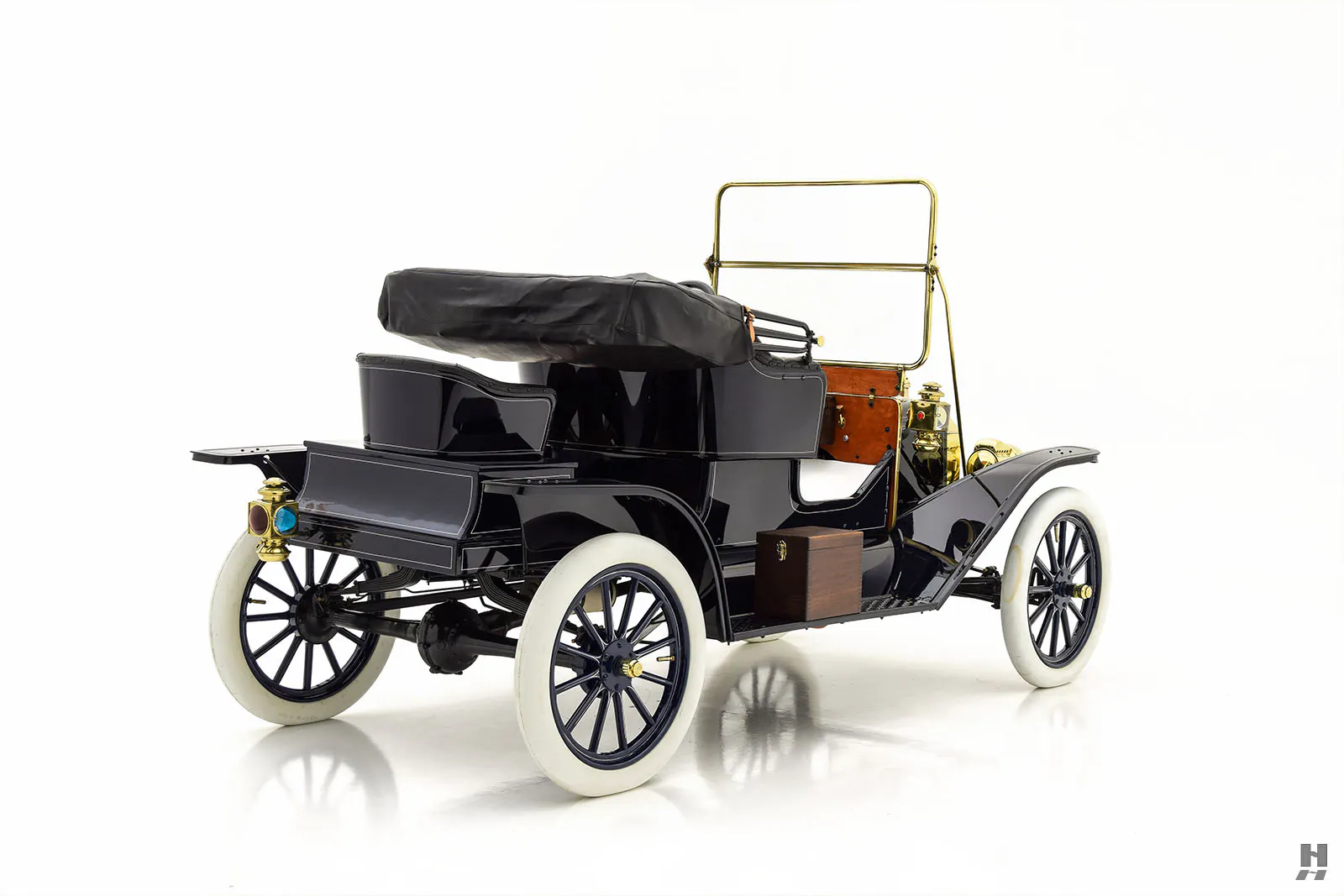
1912 Ford Model T Roadster courtesy of Hyman, Ltd.
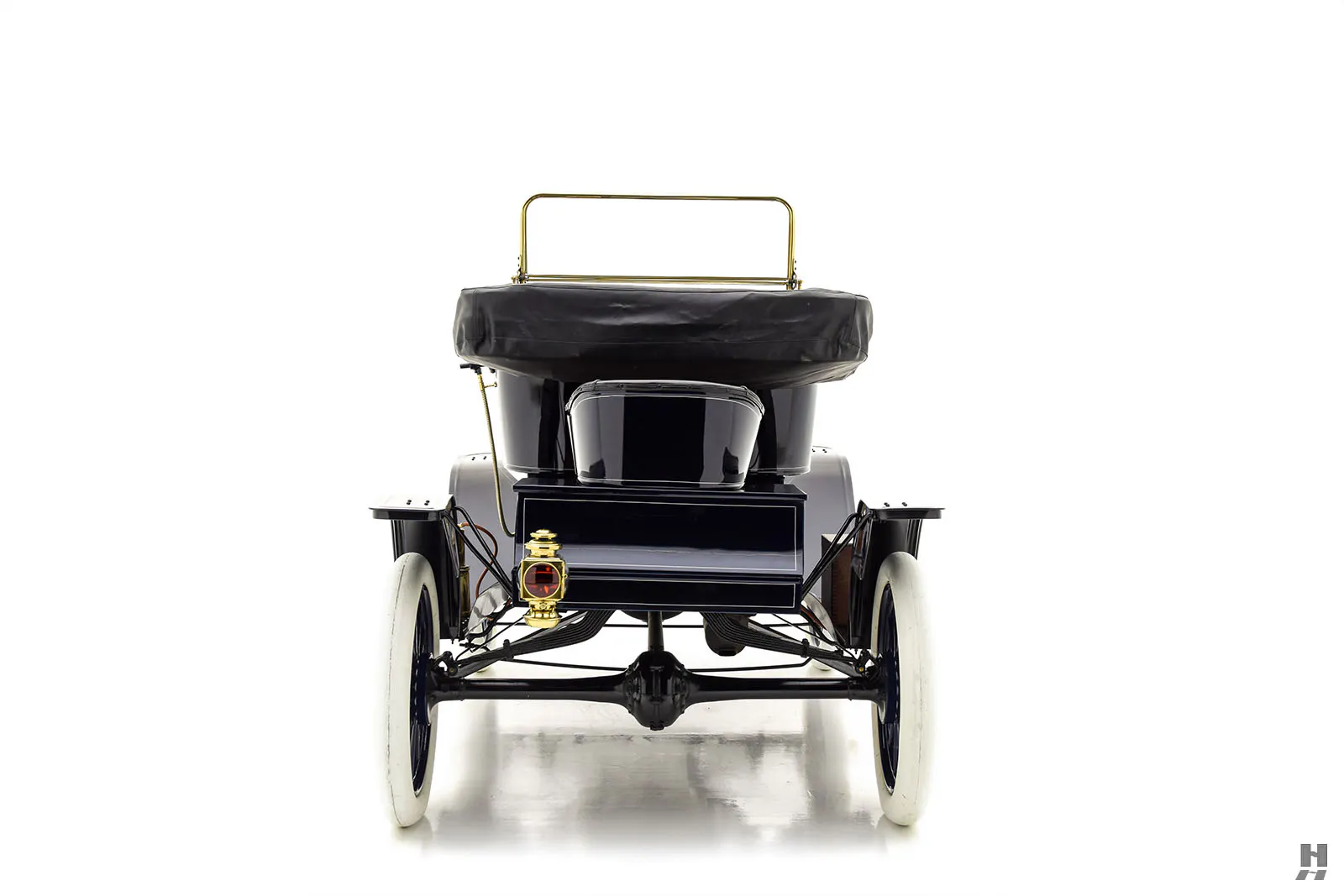
1912 Ford Model T Roadster courtesy of Hyman, Ltd.
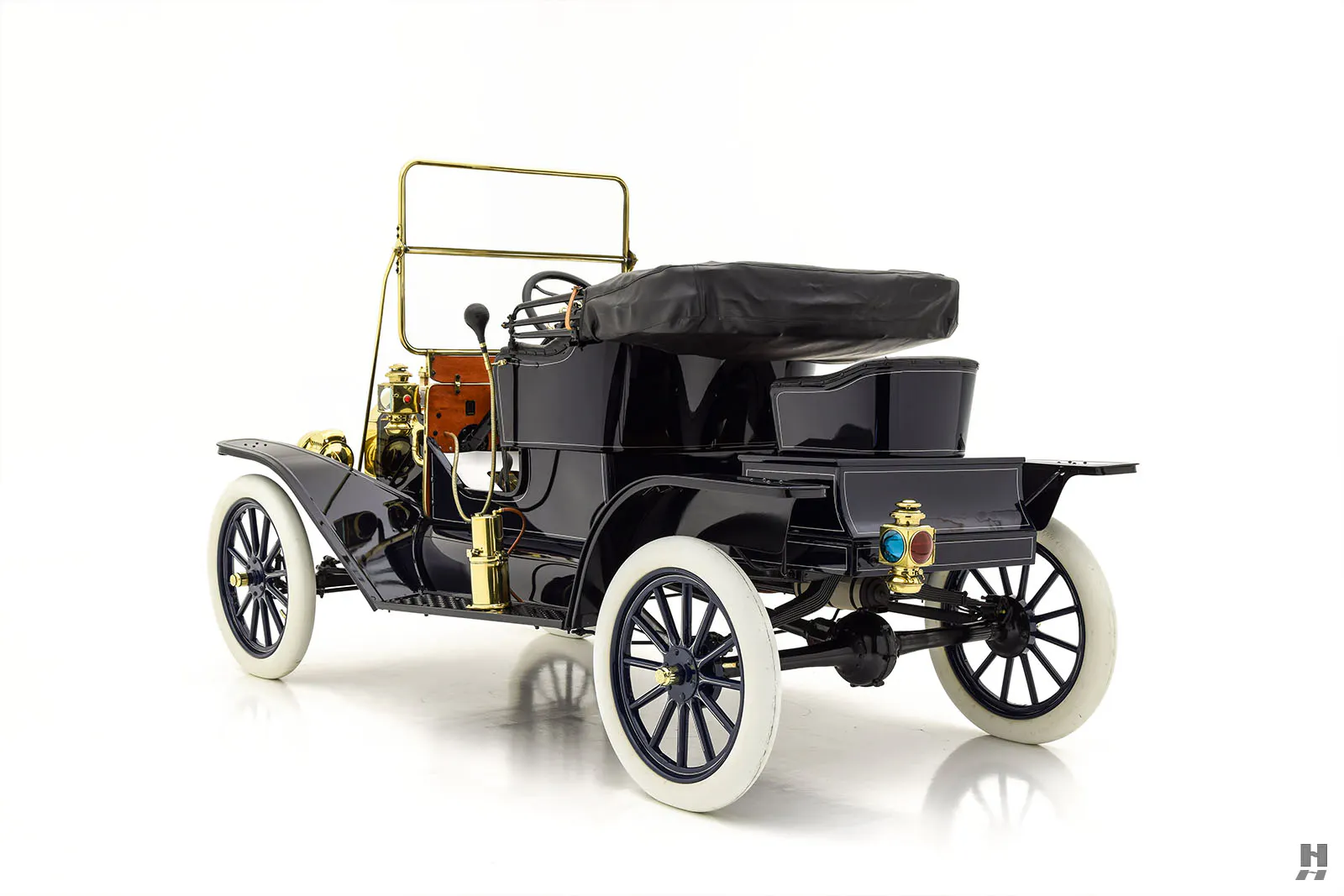
1912 Ford Model T Roadster courtesy of Hyman, Ltd.
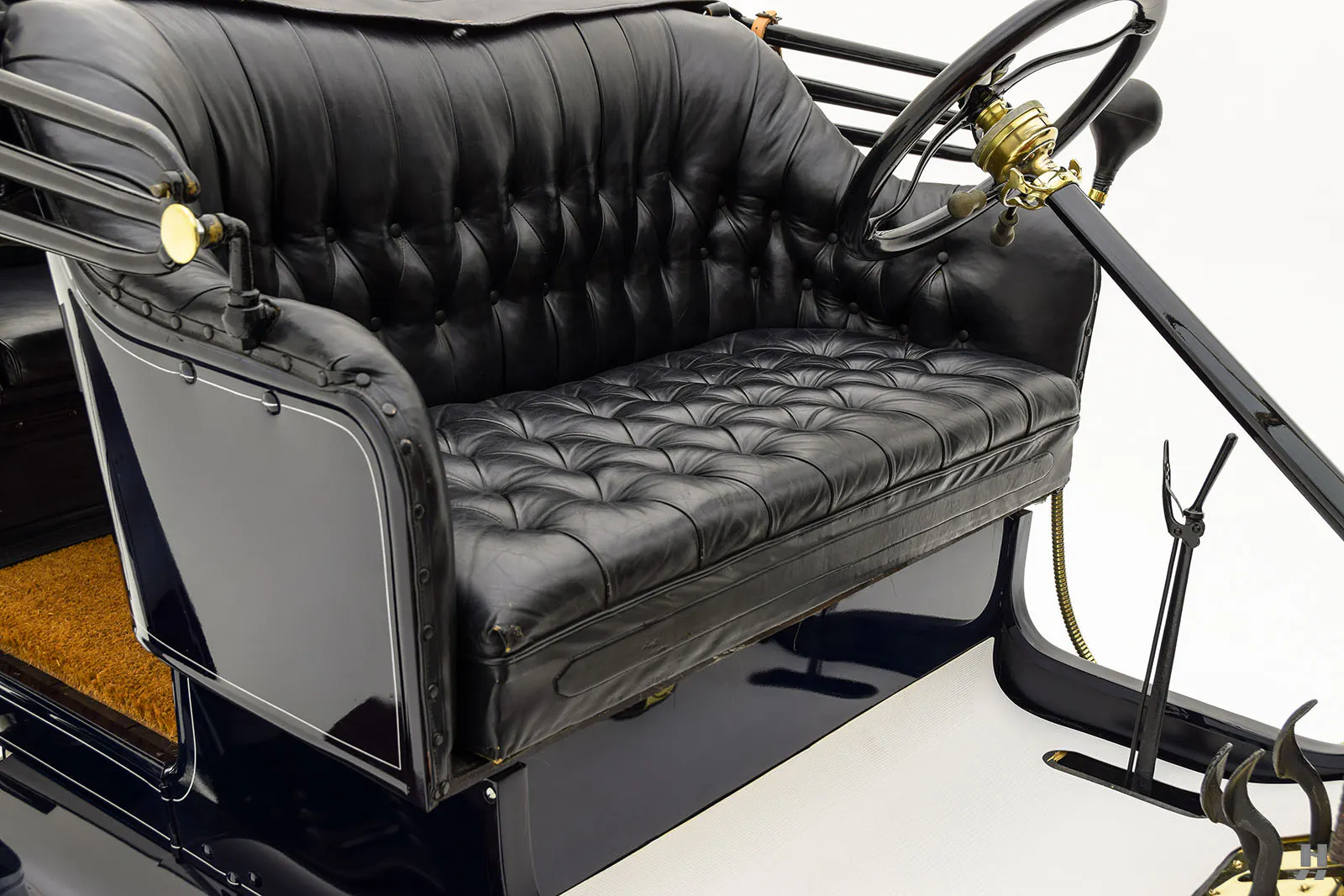
1912 Ford Model T Roadster courtesy of Hyman, Ltd.
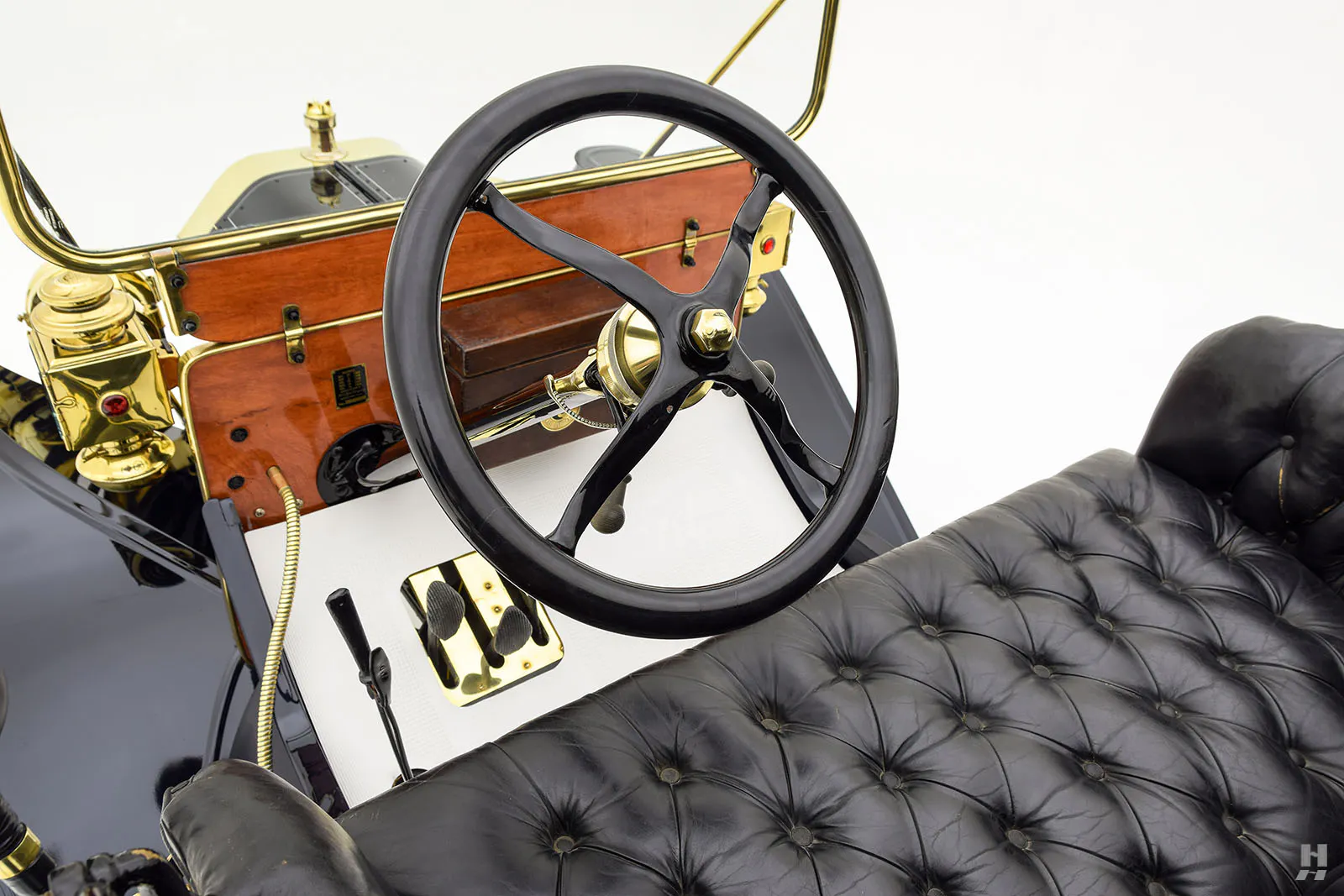
1912 Ford Model T Roadster courtesy of Hyman, Ltd.
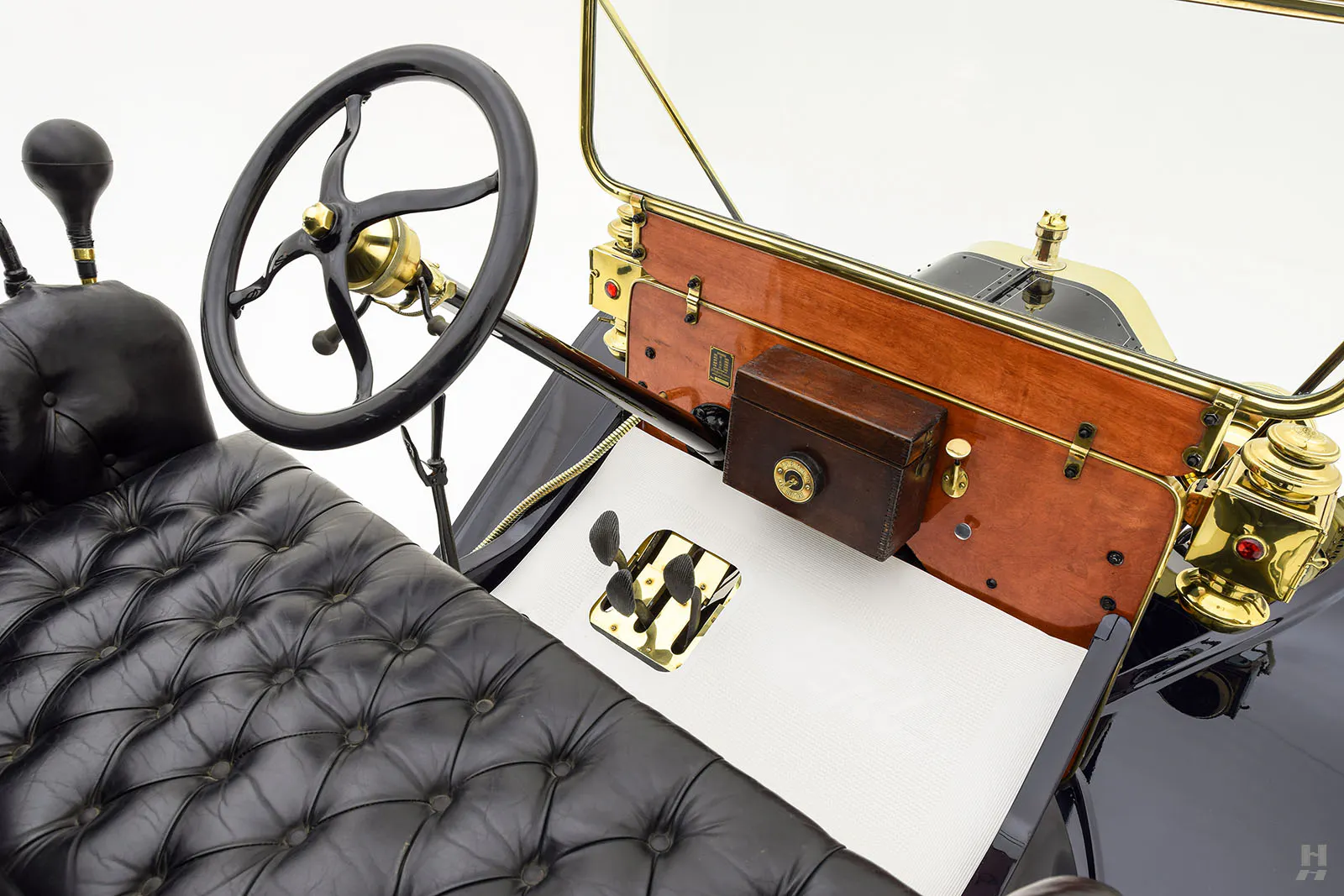
1912 Ford Model T Roadster courtesy of Hyman, Ltd.
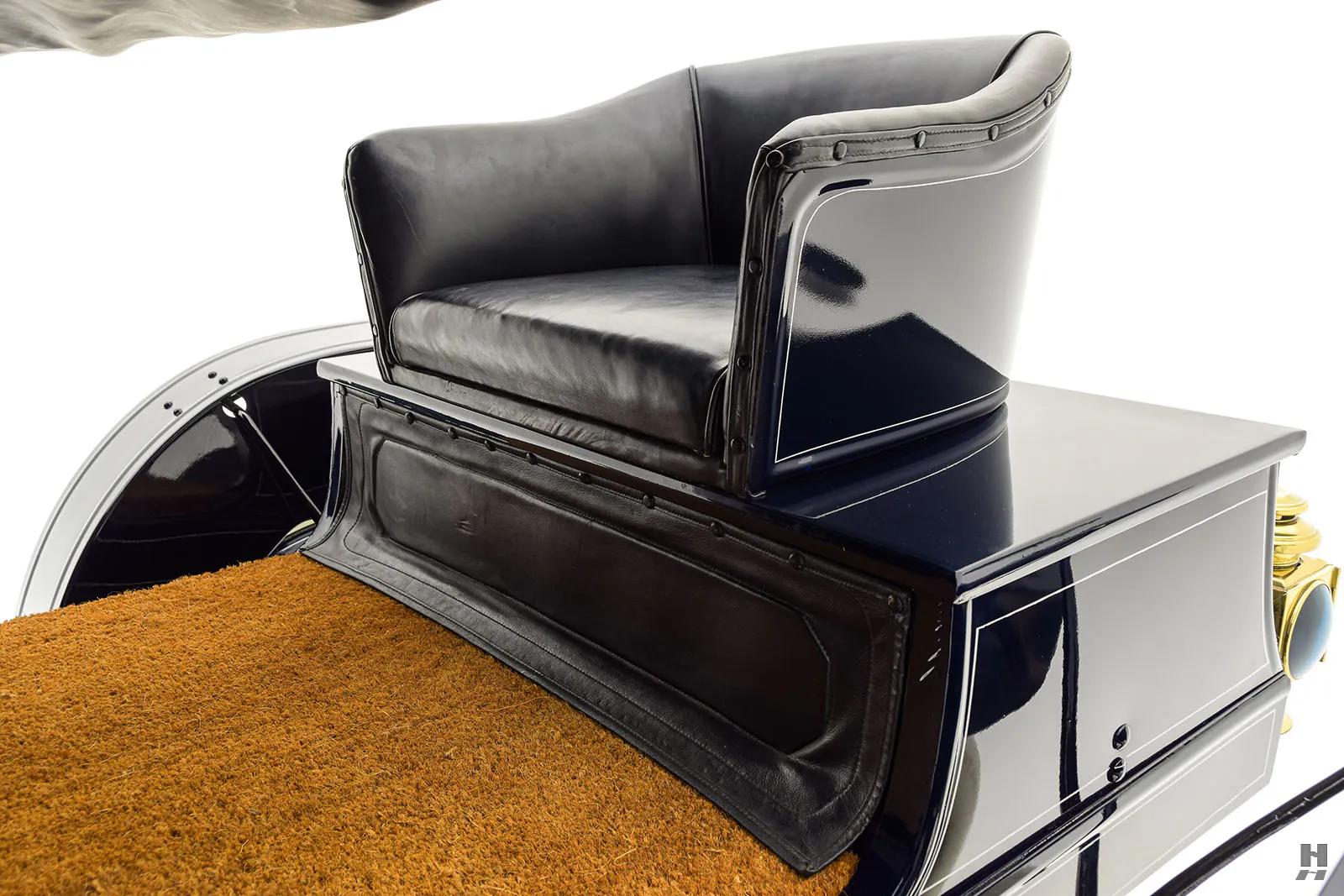
1912 Ford Model T Roadster courtesy of Hyman, Ltd.
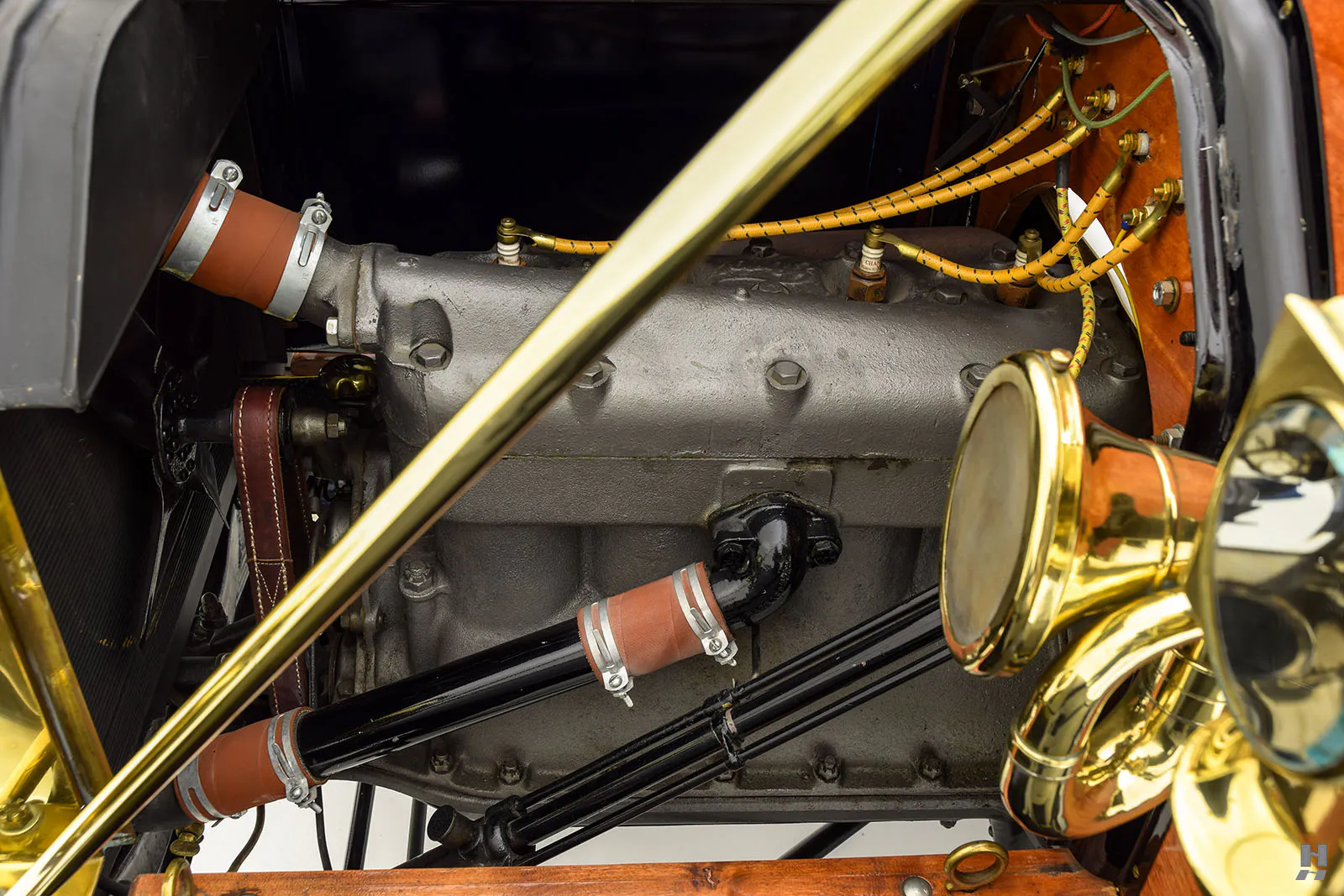
1912 Ford Model T Roadster courtesy of Hyman, Ltd.
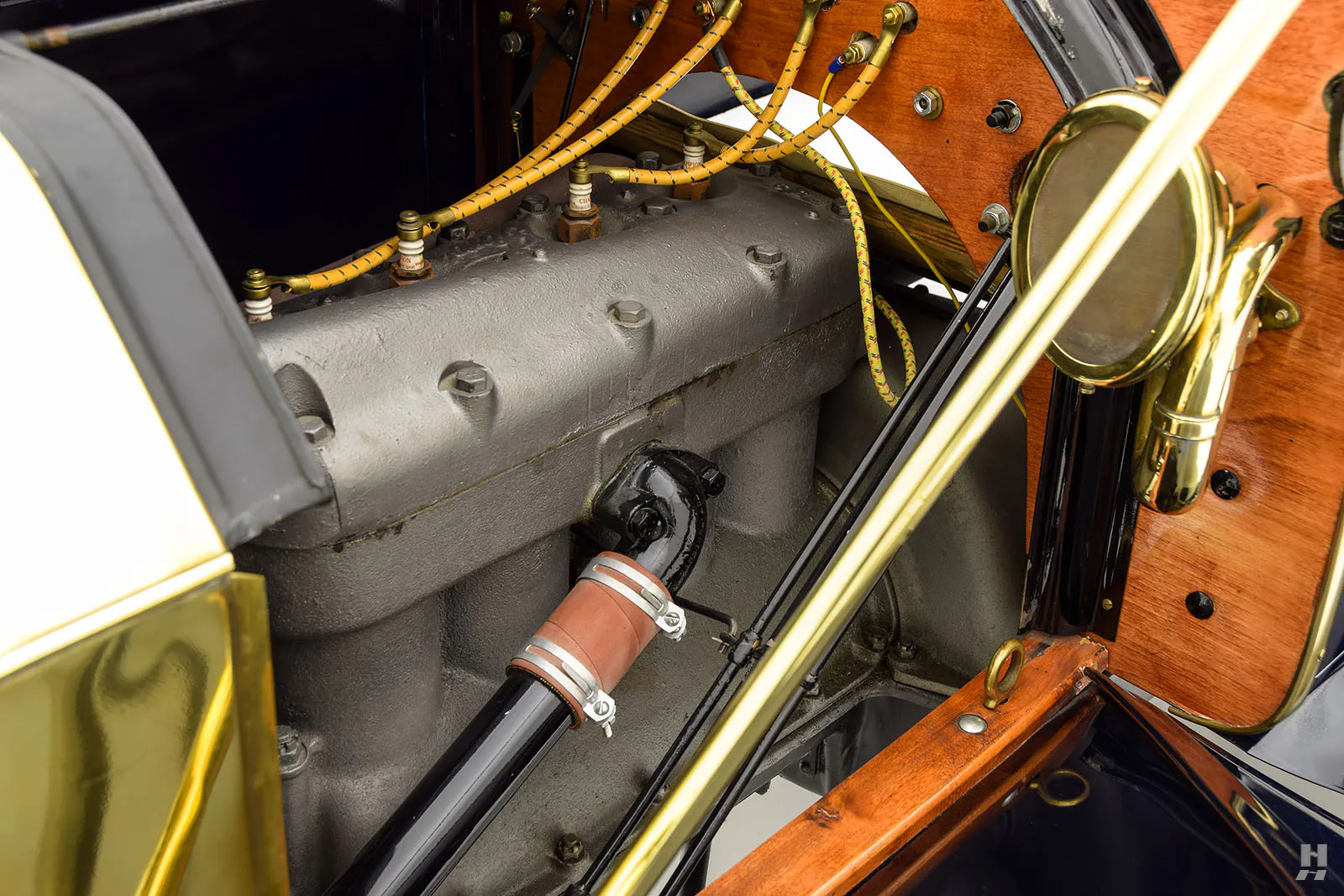
1912 Ford Model T Roadster courtesy of Hyman, Ltd.
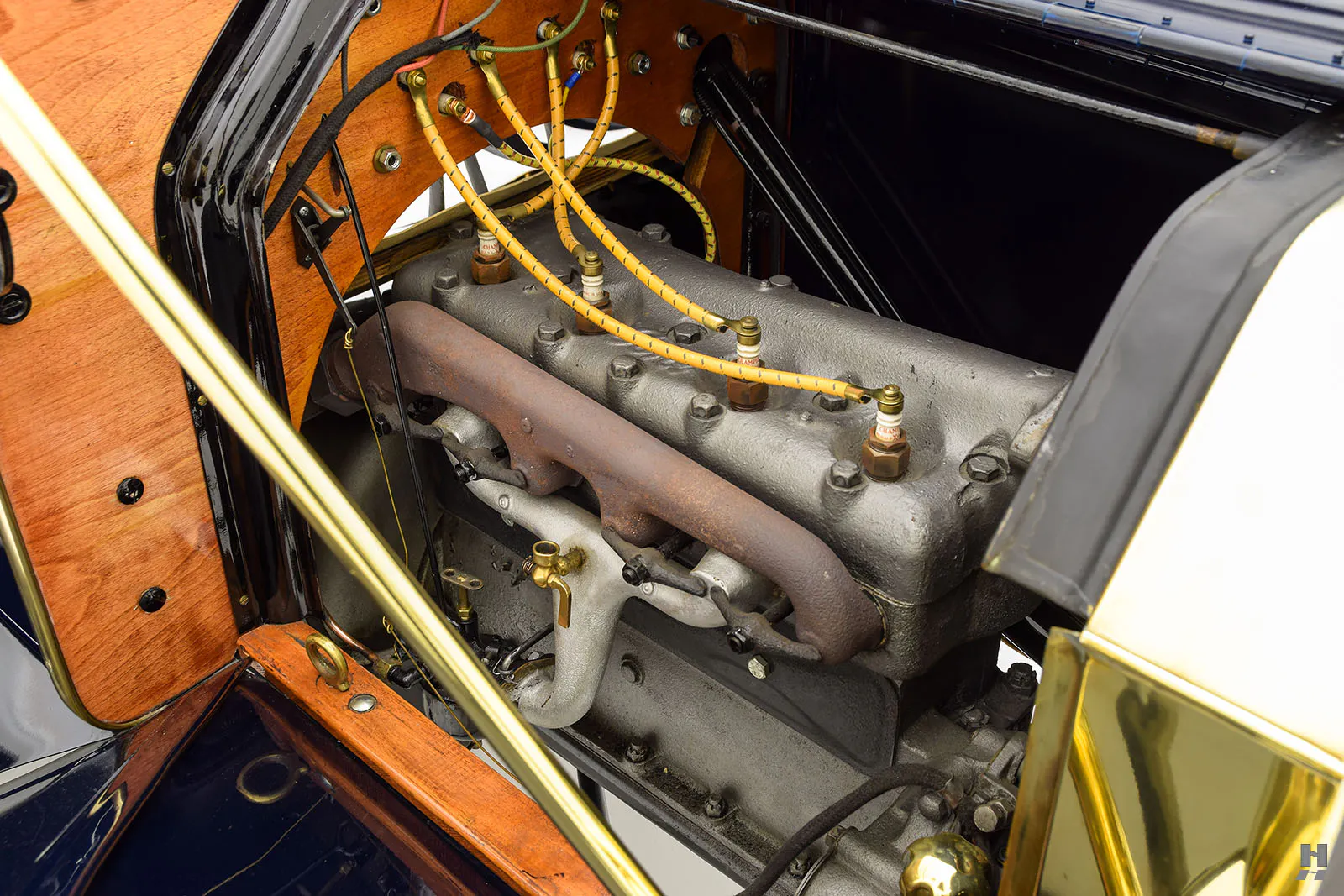
1912 Ford Model T Roadster courtesy of Hyman, Ltd.
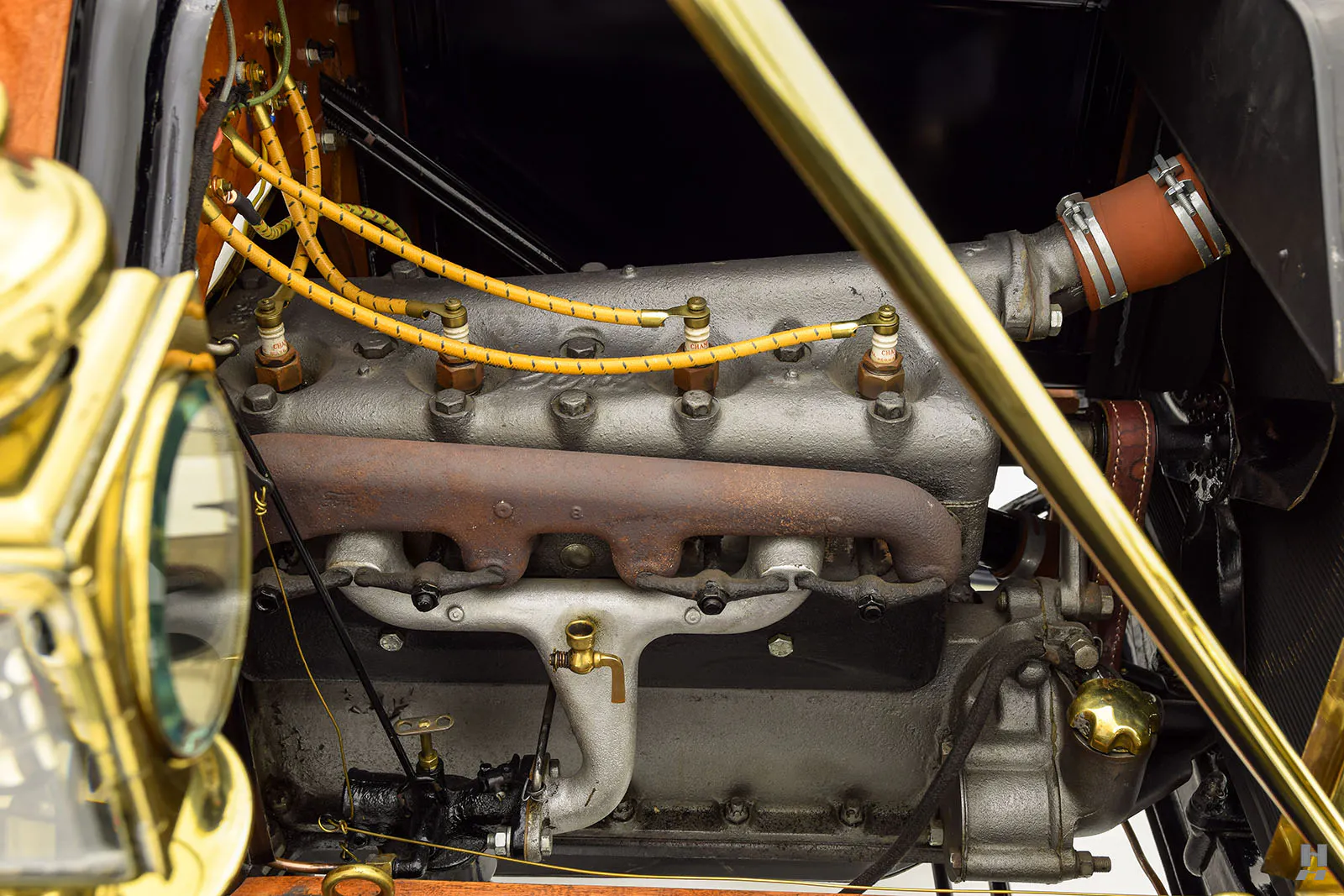
1912 Ford Model T Roadster courtesy of Hyman, Ltd.
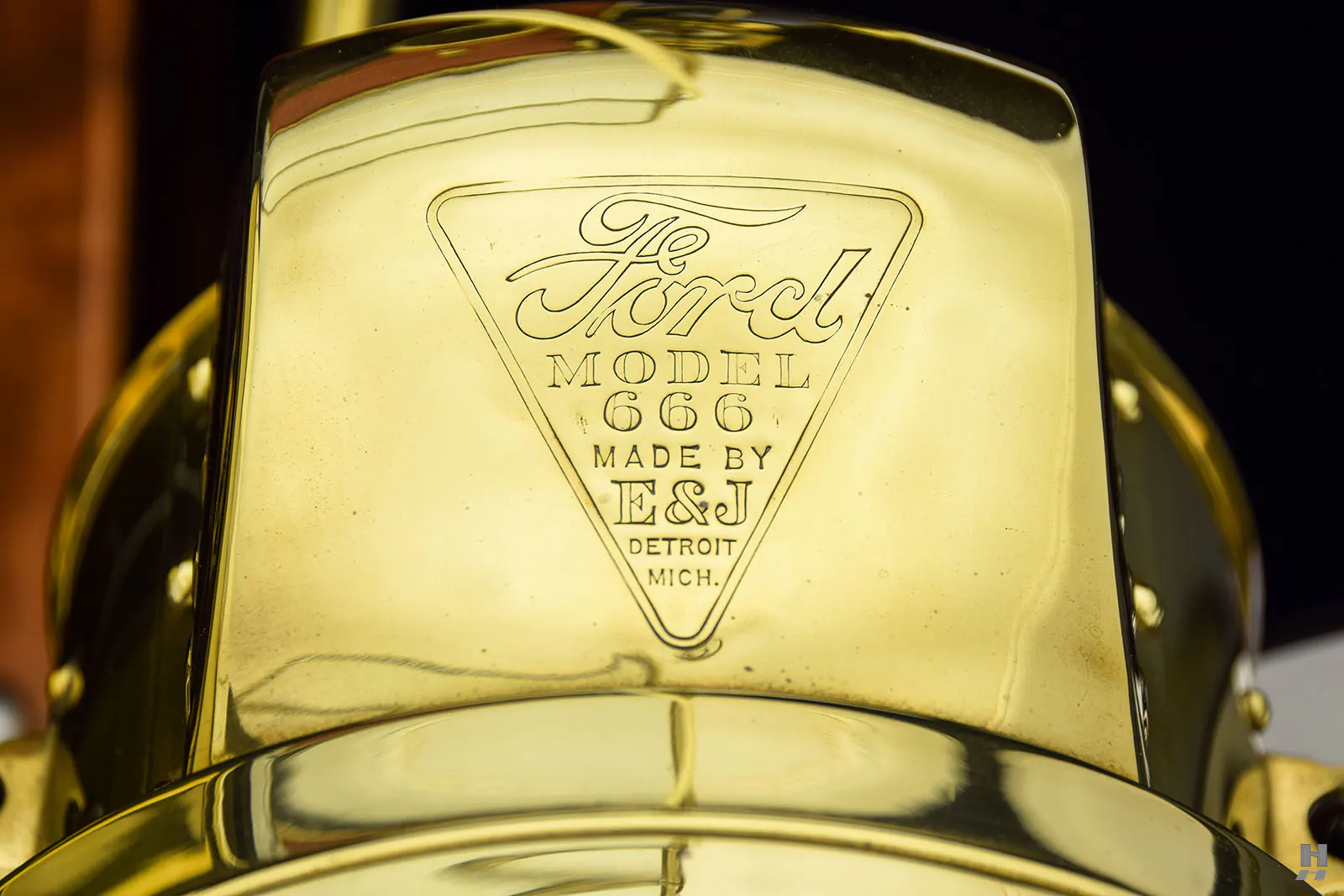
1912 Ford Model T Roadster courtesy of Hyman, Ltd.
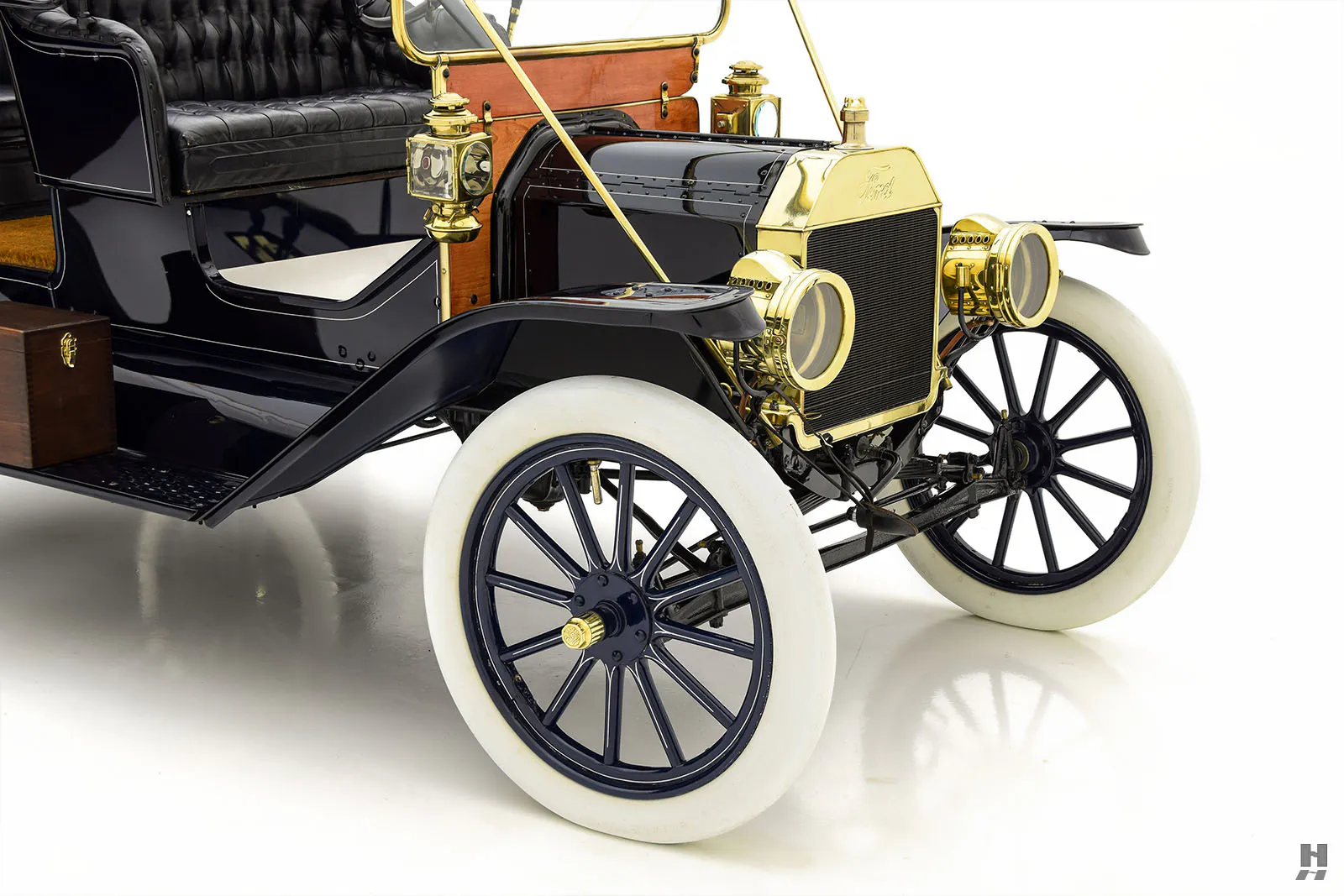
1912 Ford Model T Roadster courtesy of Hyman, Ltd.
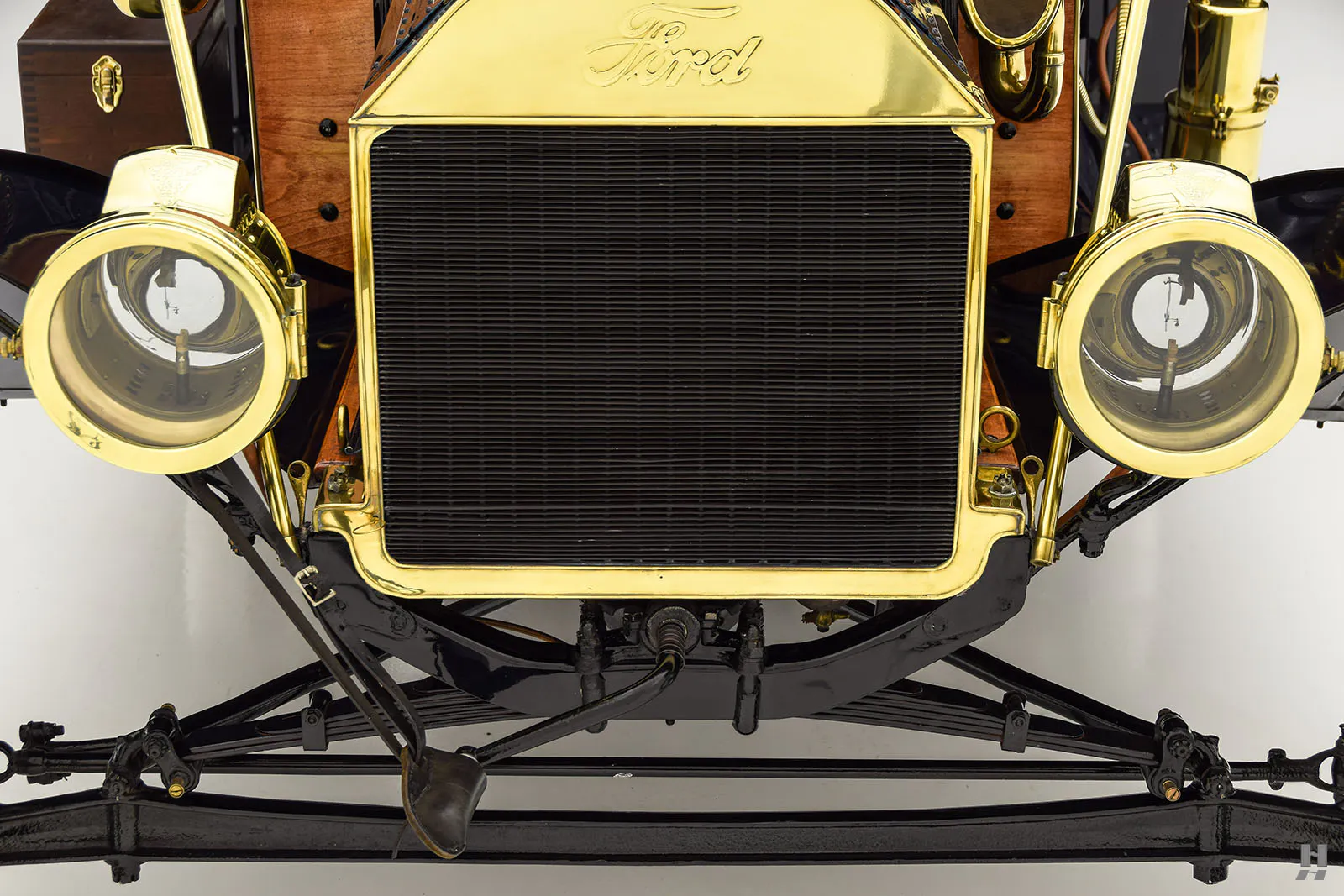
1912 Ford Model T Roadster courtesy of Hyman, Ltd.
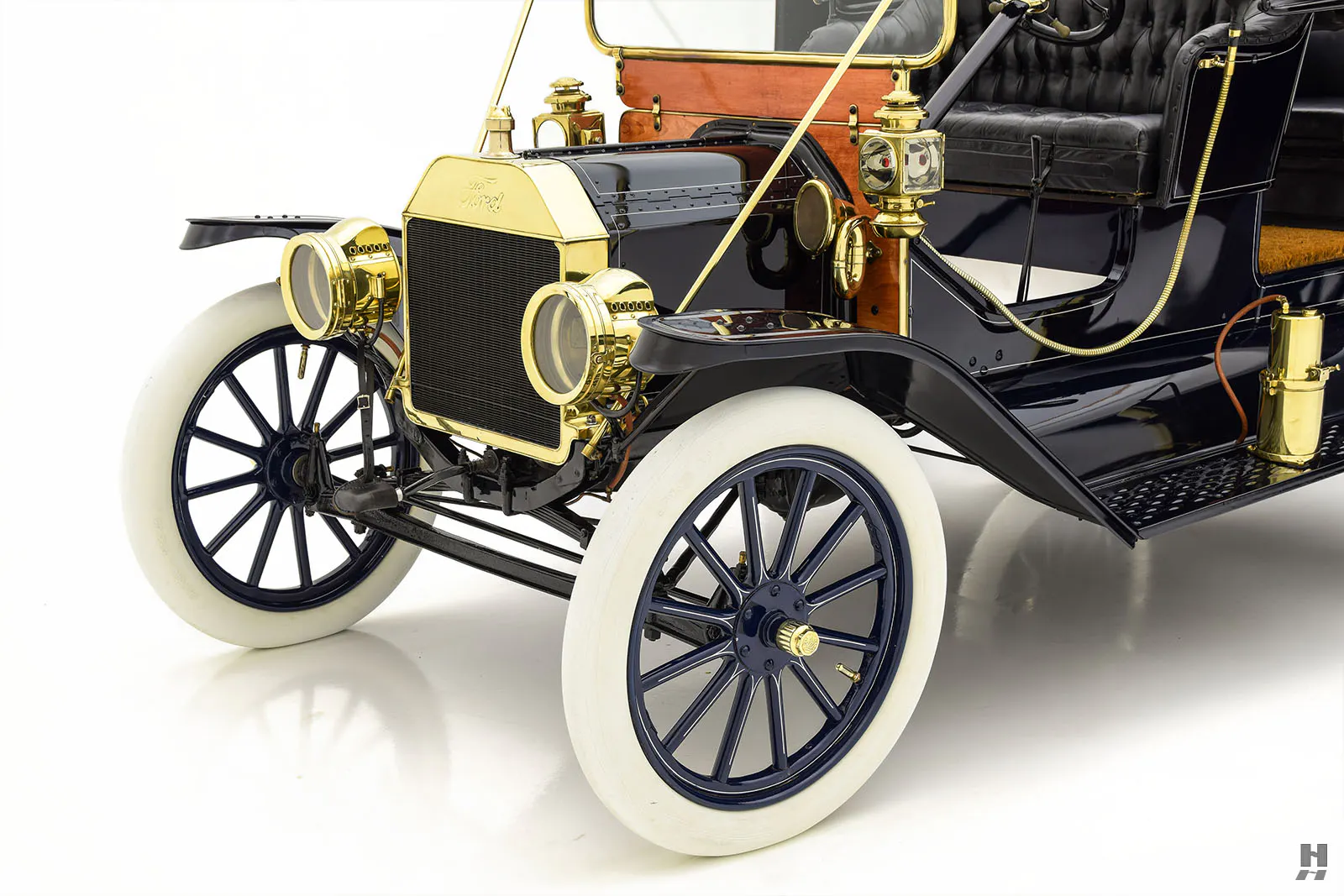
1912 Ford Model T Roadster courtesy of Hyman, Ltd.
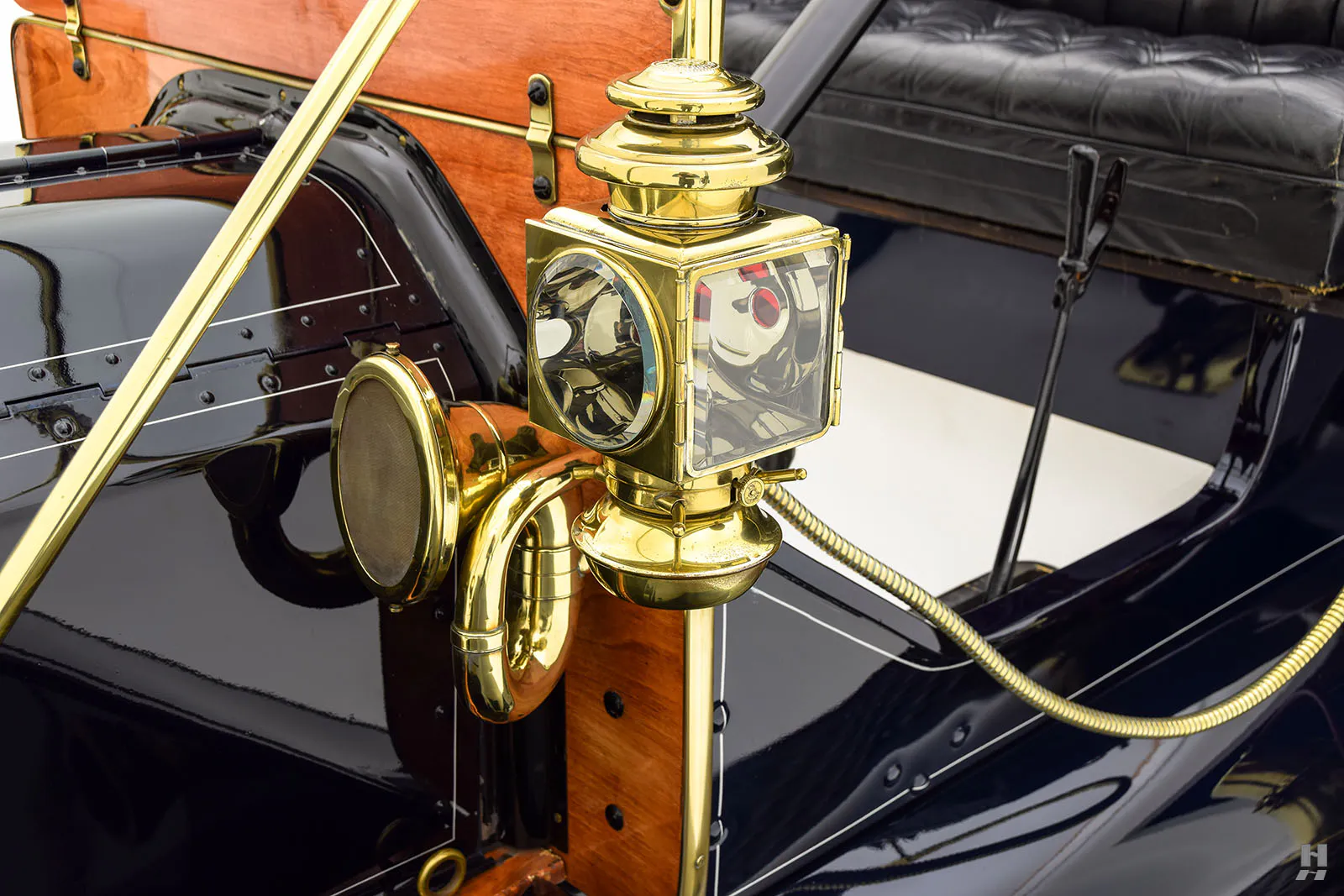
1912 Ford Model T Roadster courtesy of Hyman, Ltd.
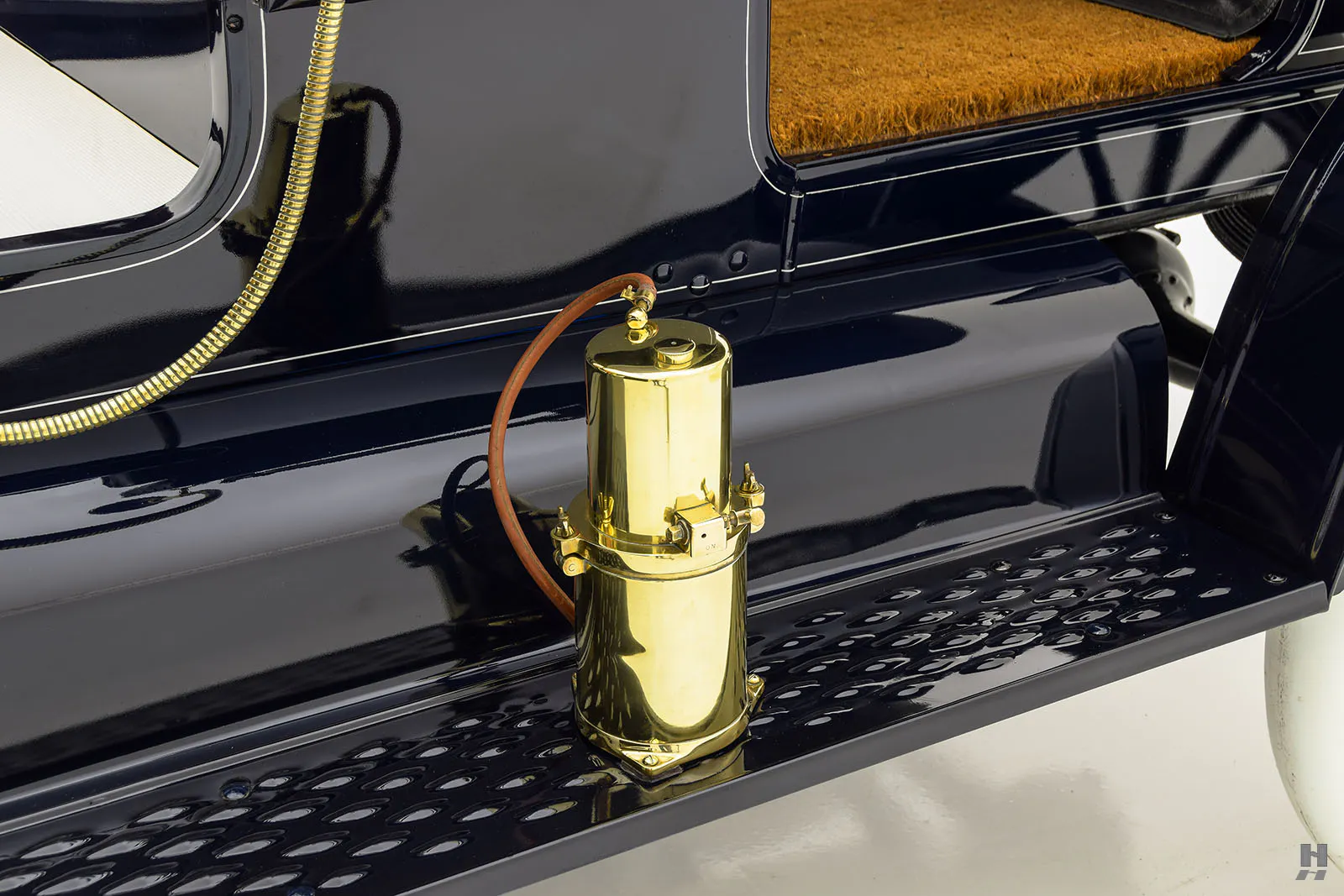
1912 Ford Model T Roadster courtesy of Hyman, Ltd.
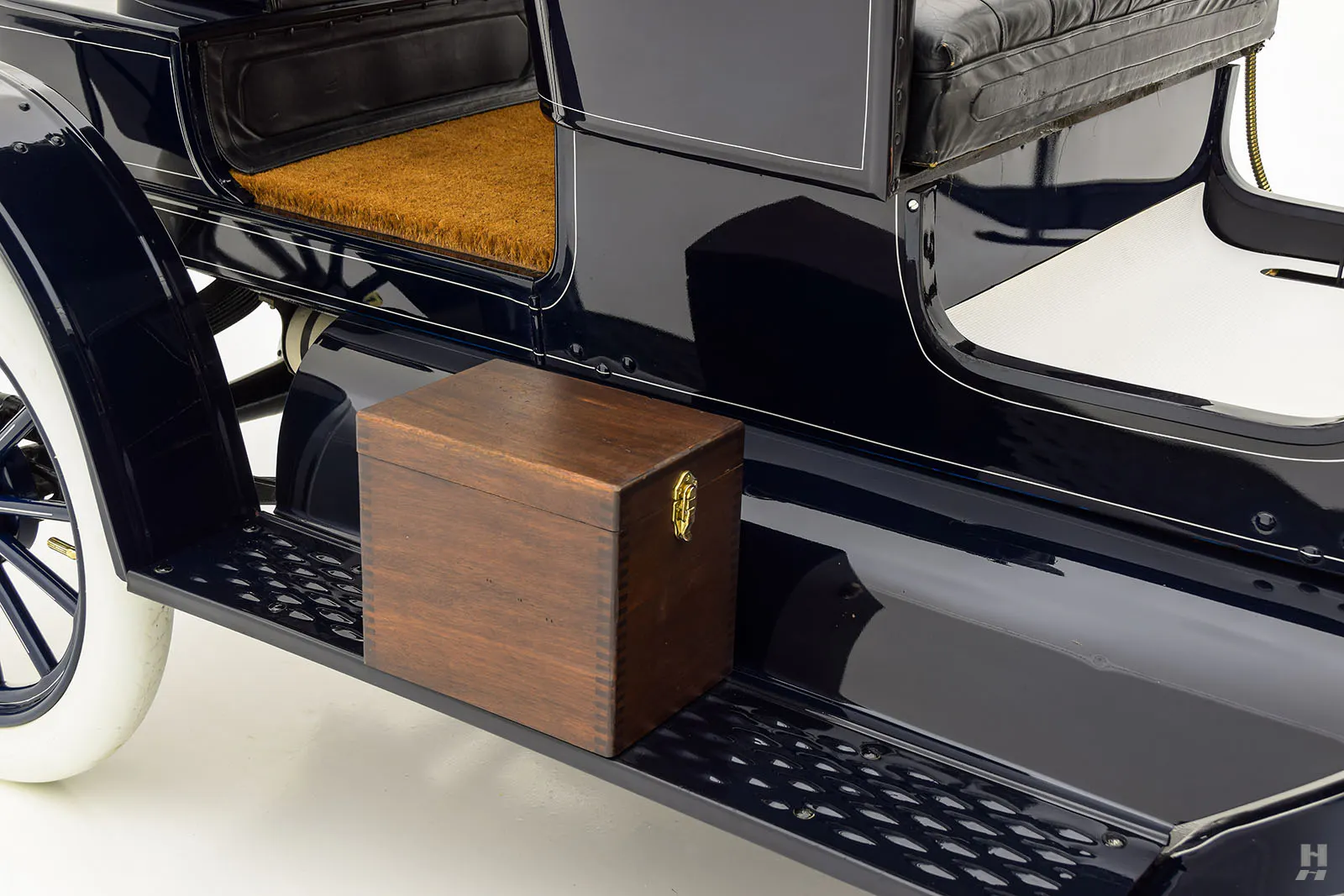
1912 Ford Model T Roadster courtesy of Hyman, Ltd.
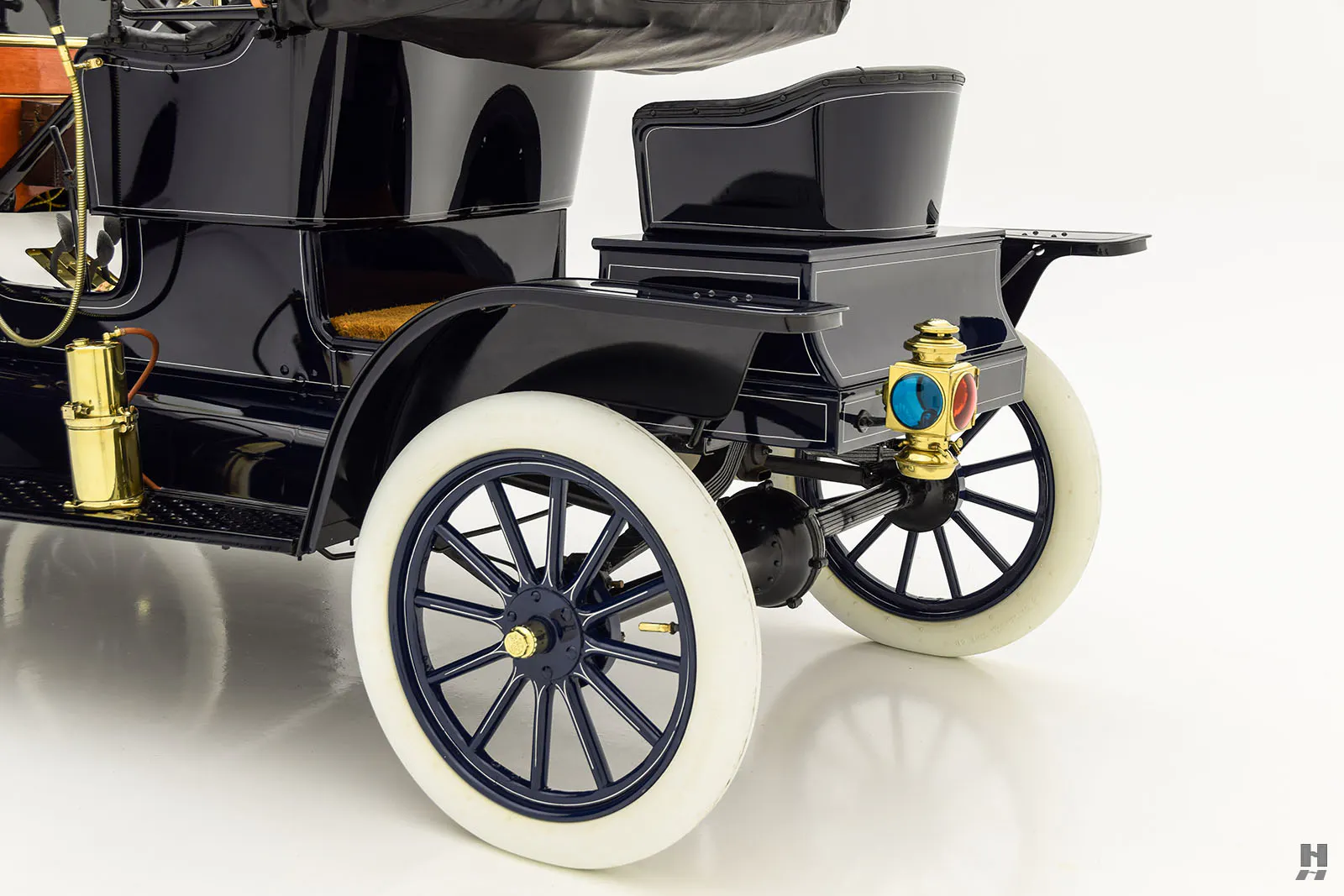
1912 Ford Model T Roadster courtesy of Hyman, Ltd.
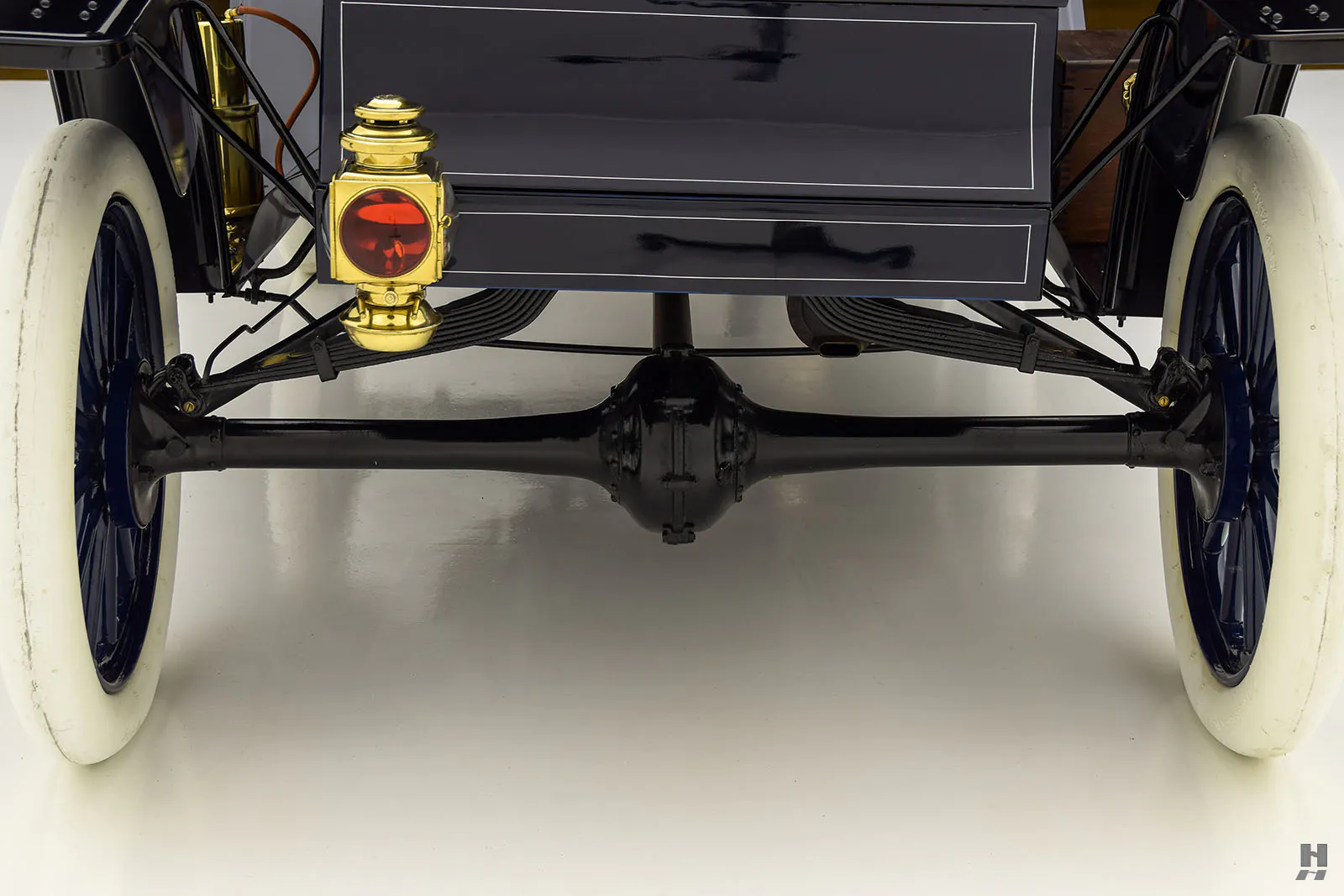
1912 Ford Model T Roadster courtesy of Hyman, Ltd.
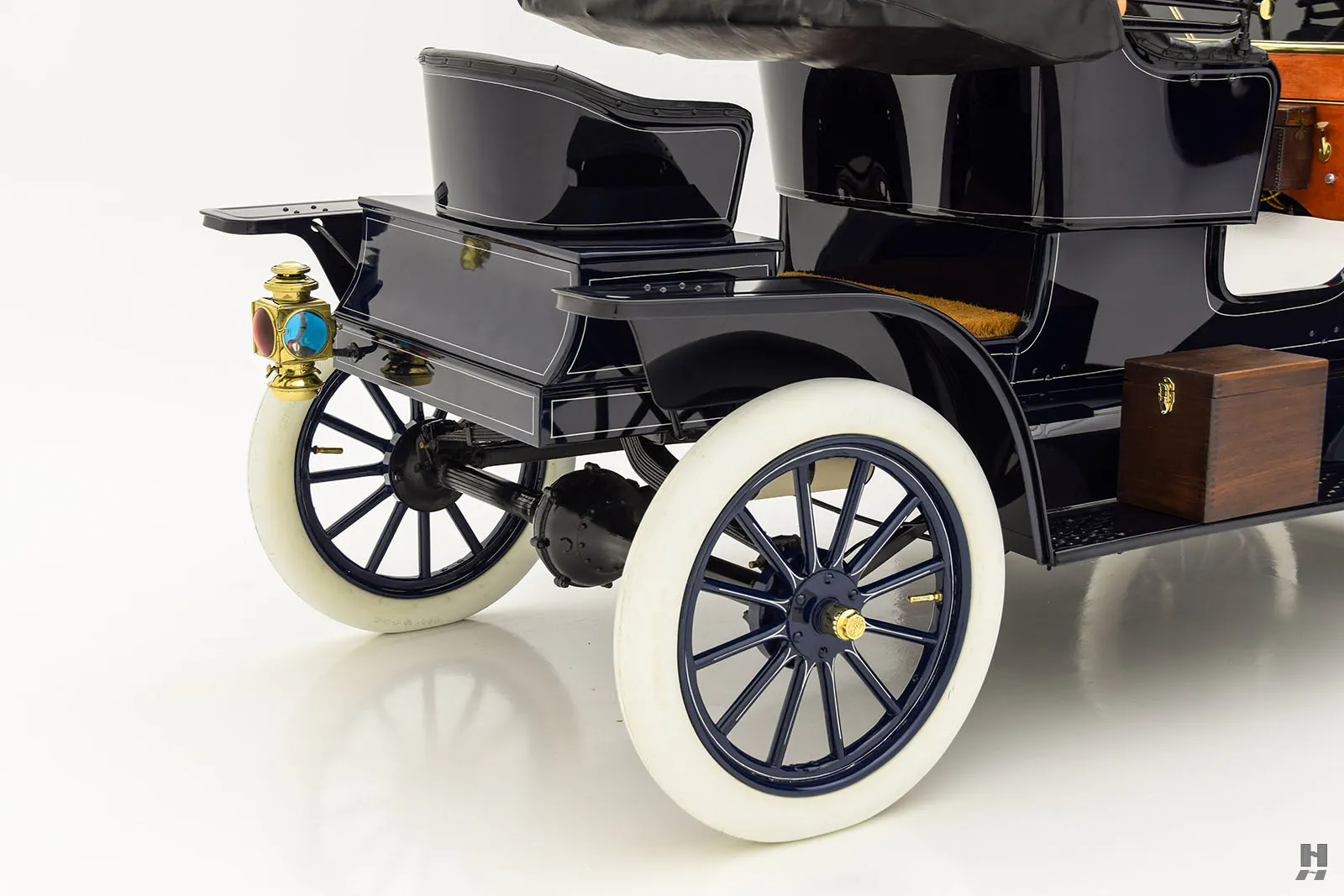
1912 Ford Model T Roadster courtesy of Hyman, Ltd.
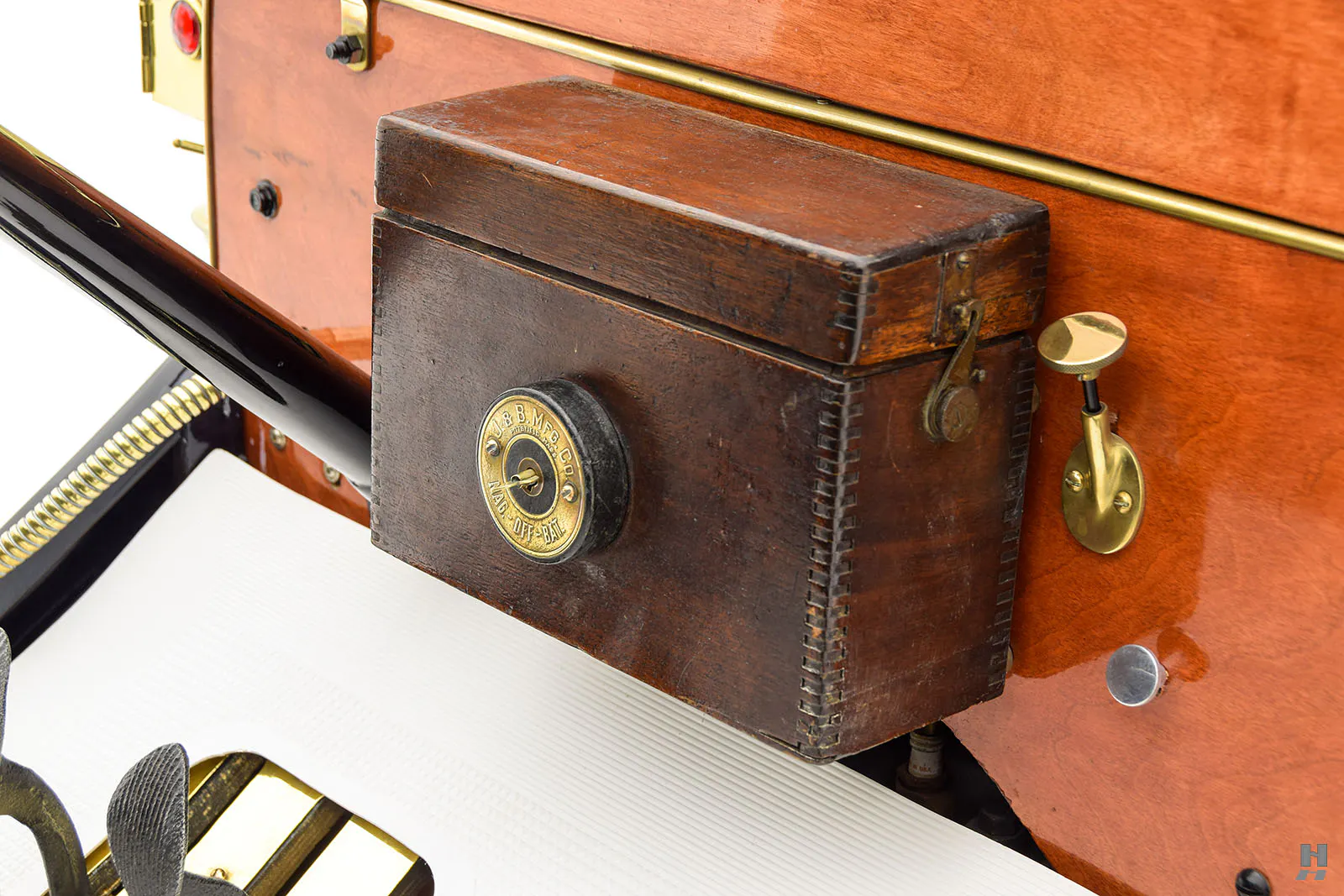
1912 Ford Model T Roadster courtesy of Hyman, Ltd.
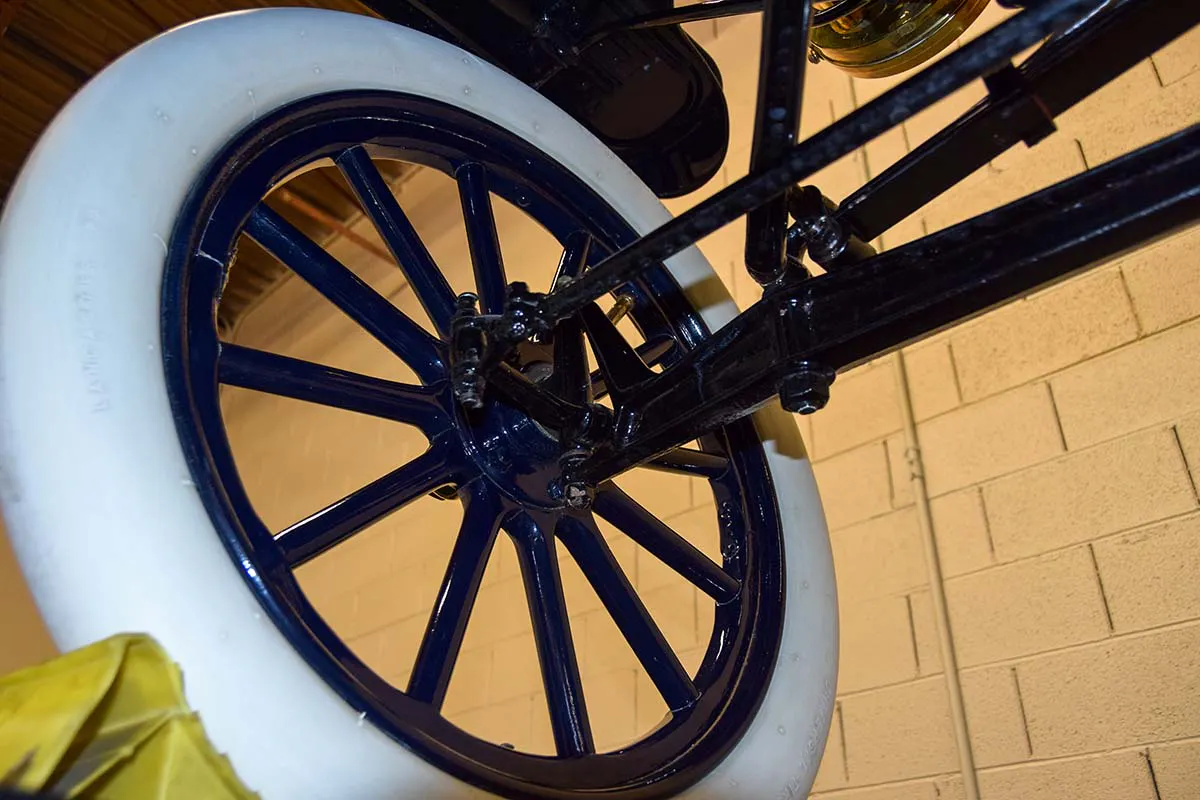
1912 Ford Model T Roadster courtesy of Hyman, Ltd.
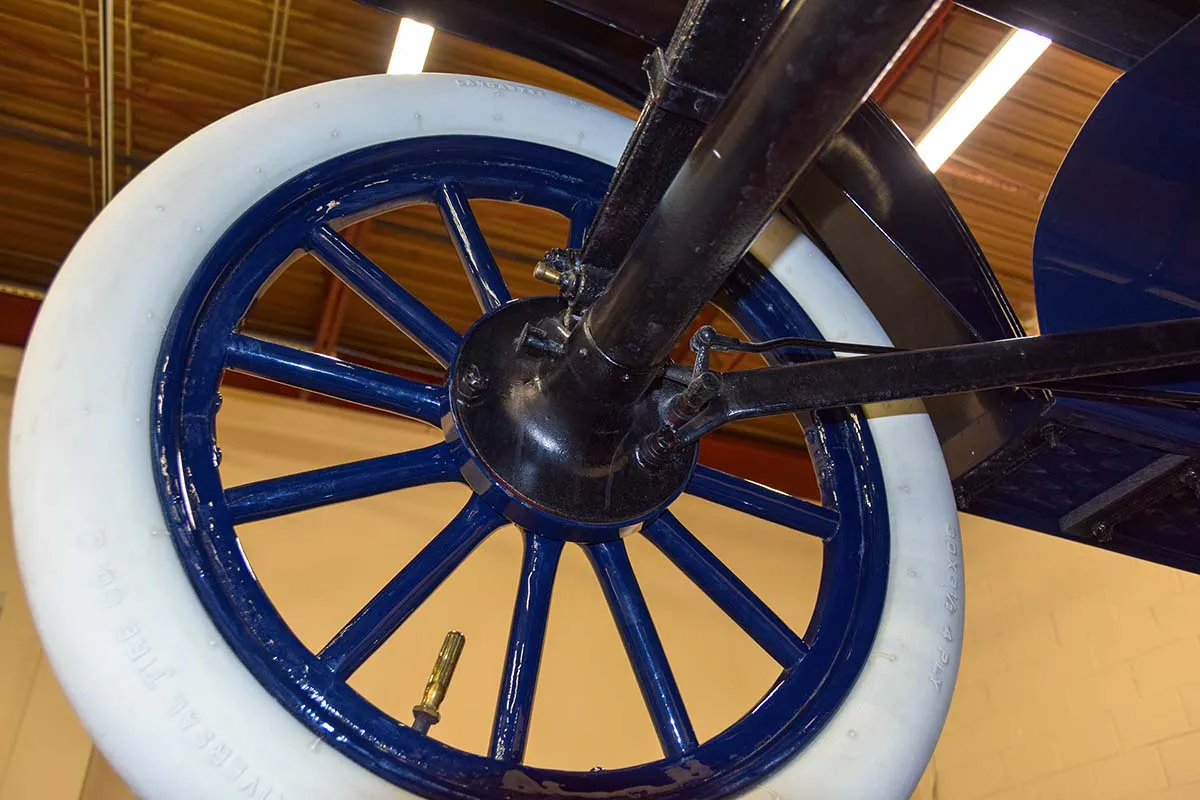
1912 Ford Model T Roadster courtesy of Hyman, Ltd.
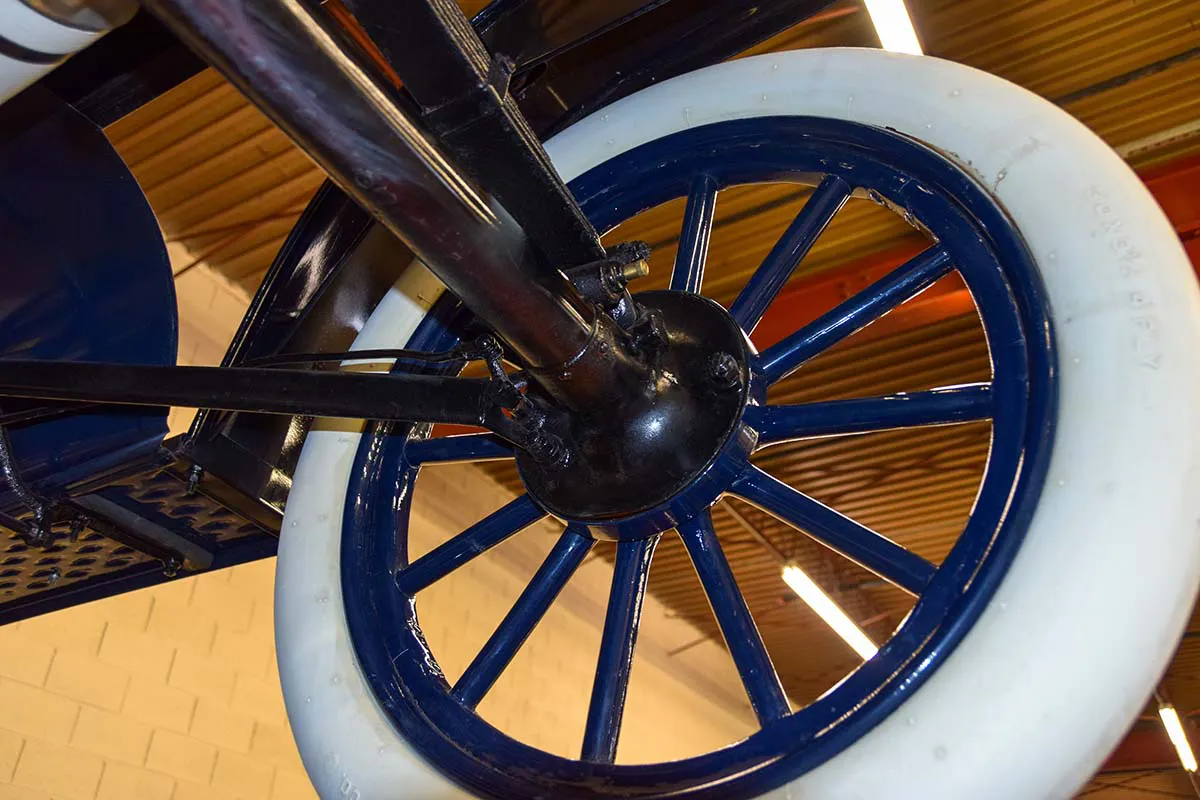
1912 Ford Model T Roadster courtesy of Hyman, Ltd.
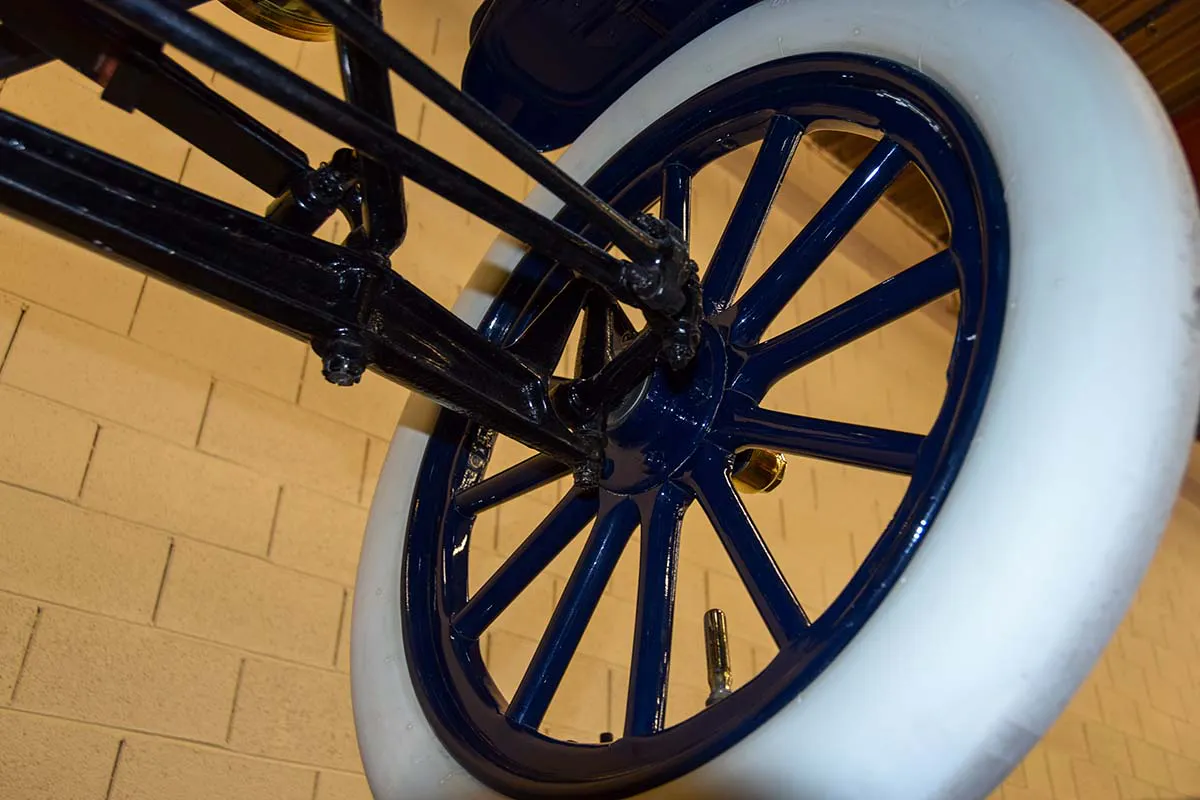
1912 Ford Model T Roadster courtesy of Hyman, Ltd.
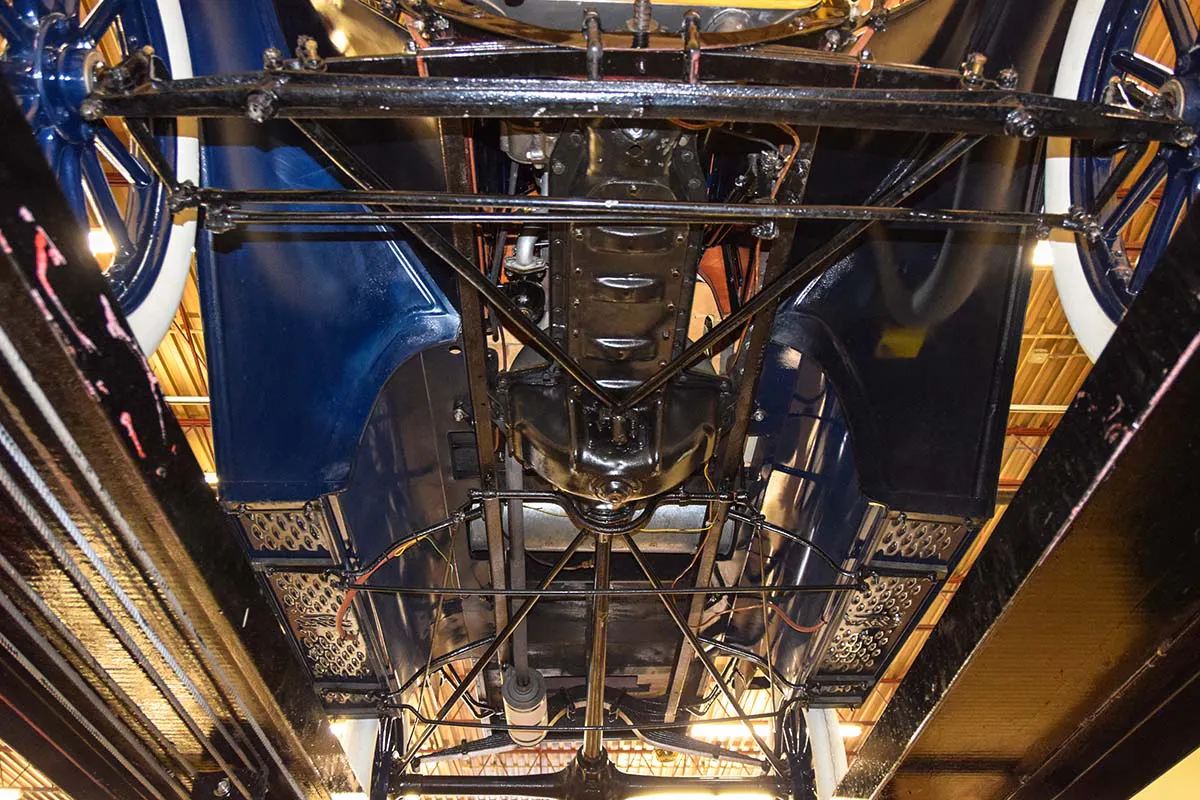
1912 Ford Model T Roadster courtesy of Hyman, Ltd.
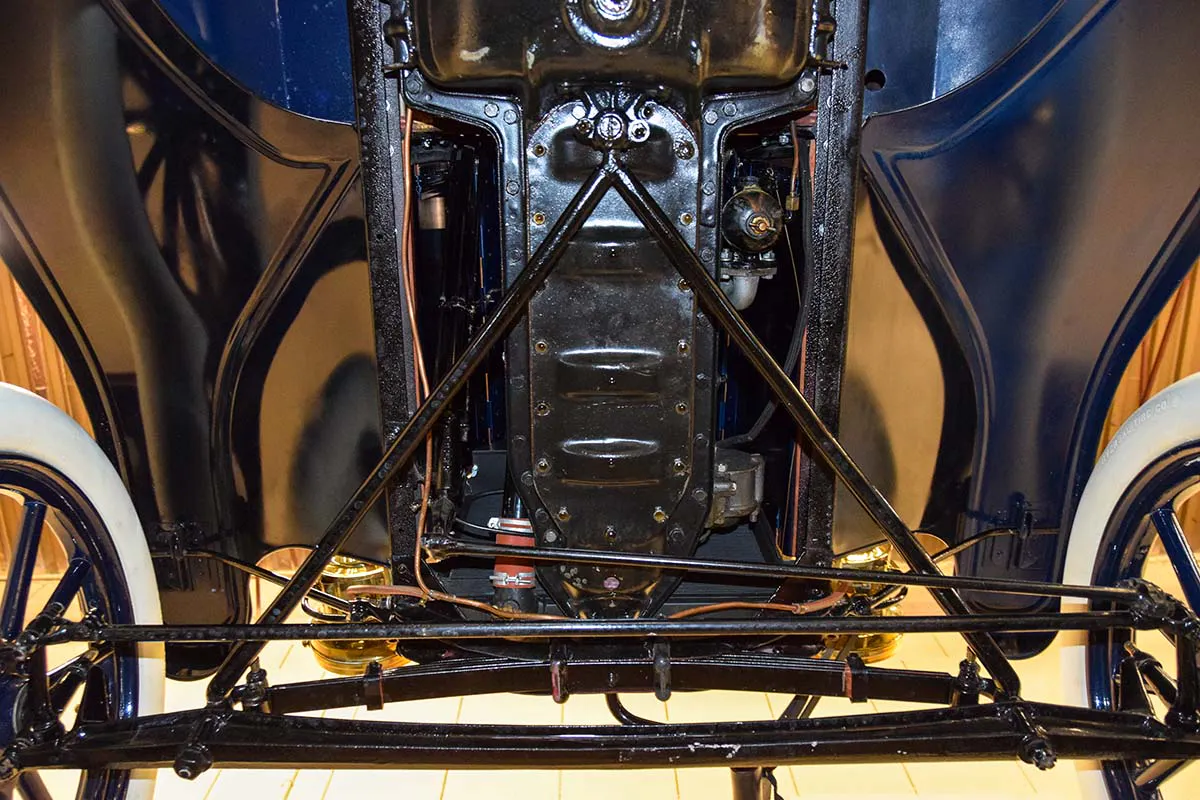
1912 Ford Model T Roadster courtesy of Hyman, Ltd.
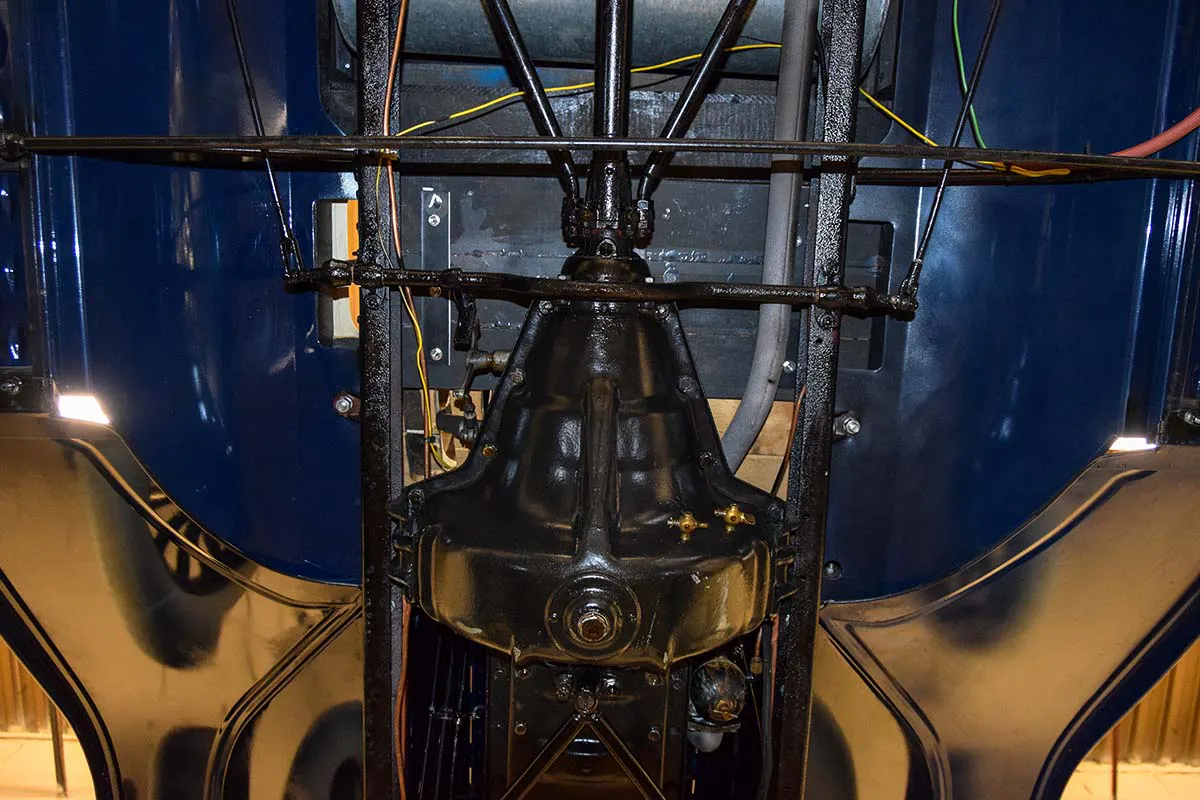
1912 Ford Model T Roadster courtesy of Hyman, Ltd.
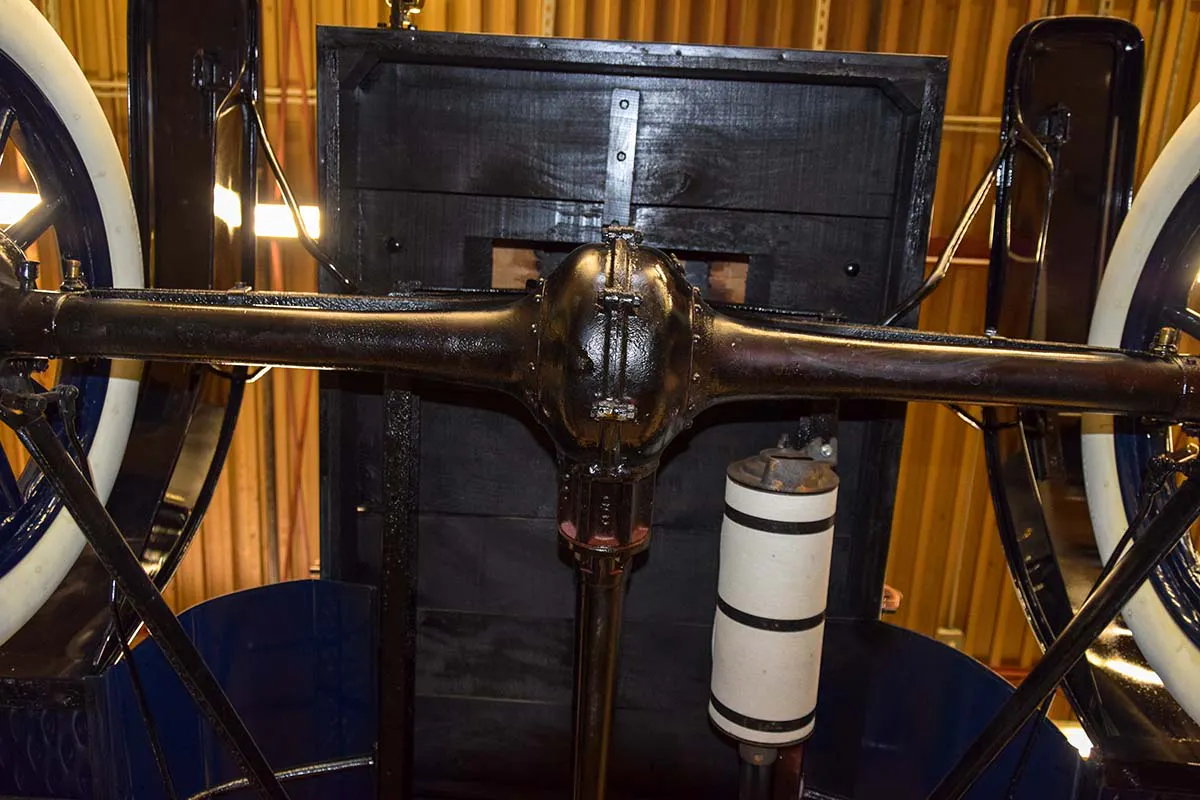
1912 Ford Model T Roadster courtesy of Hyman, Ltd.
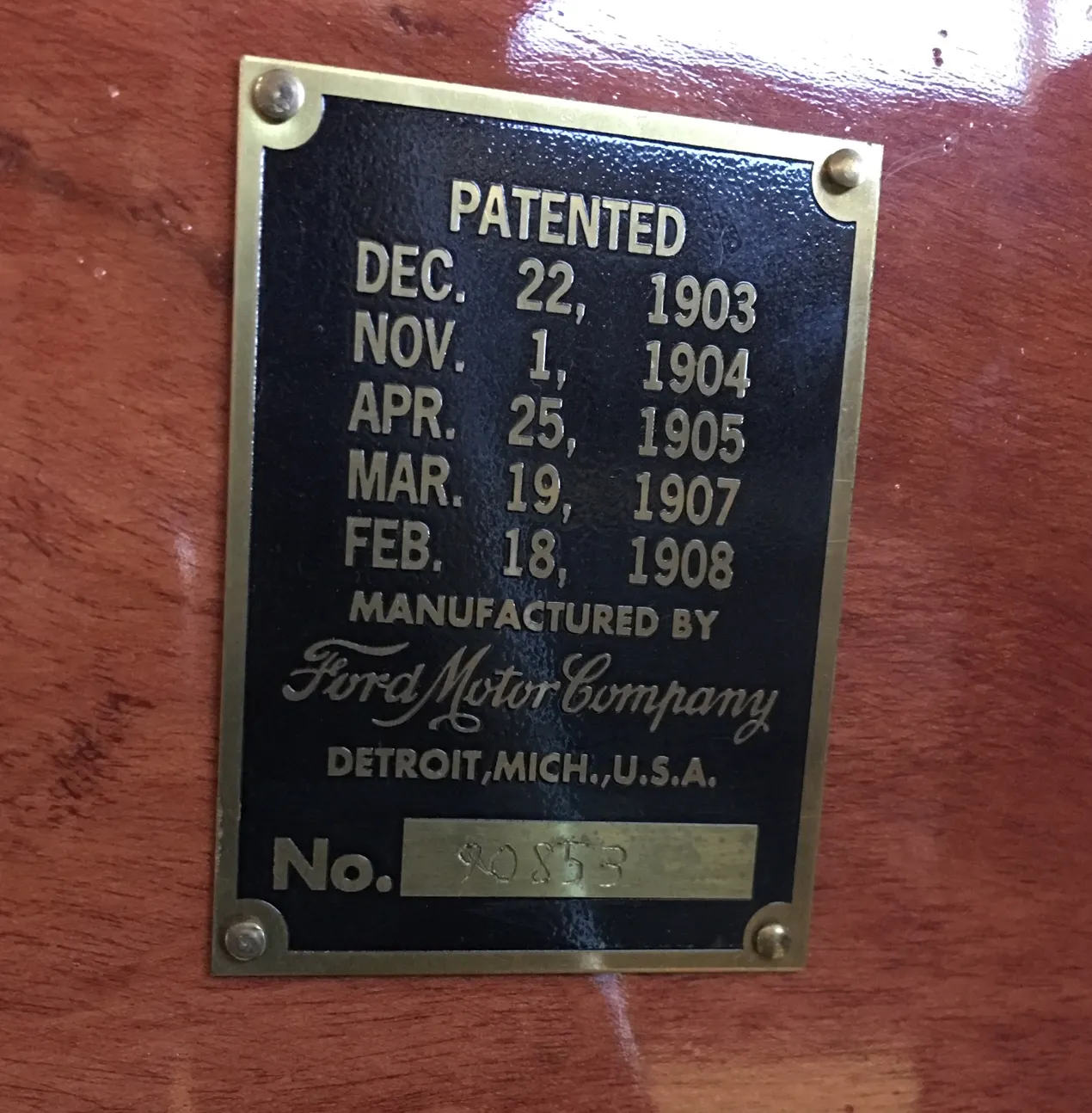
1912 Ford Model T Roadster courtesy of Hyman, Ltd.
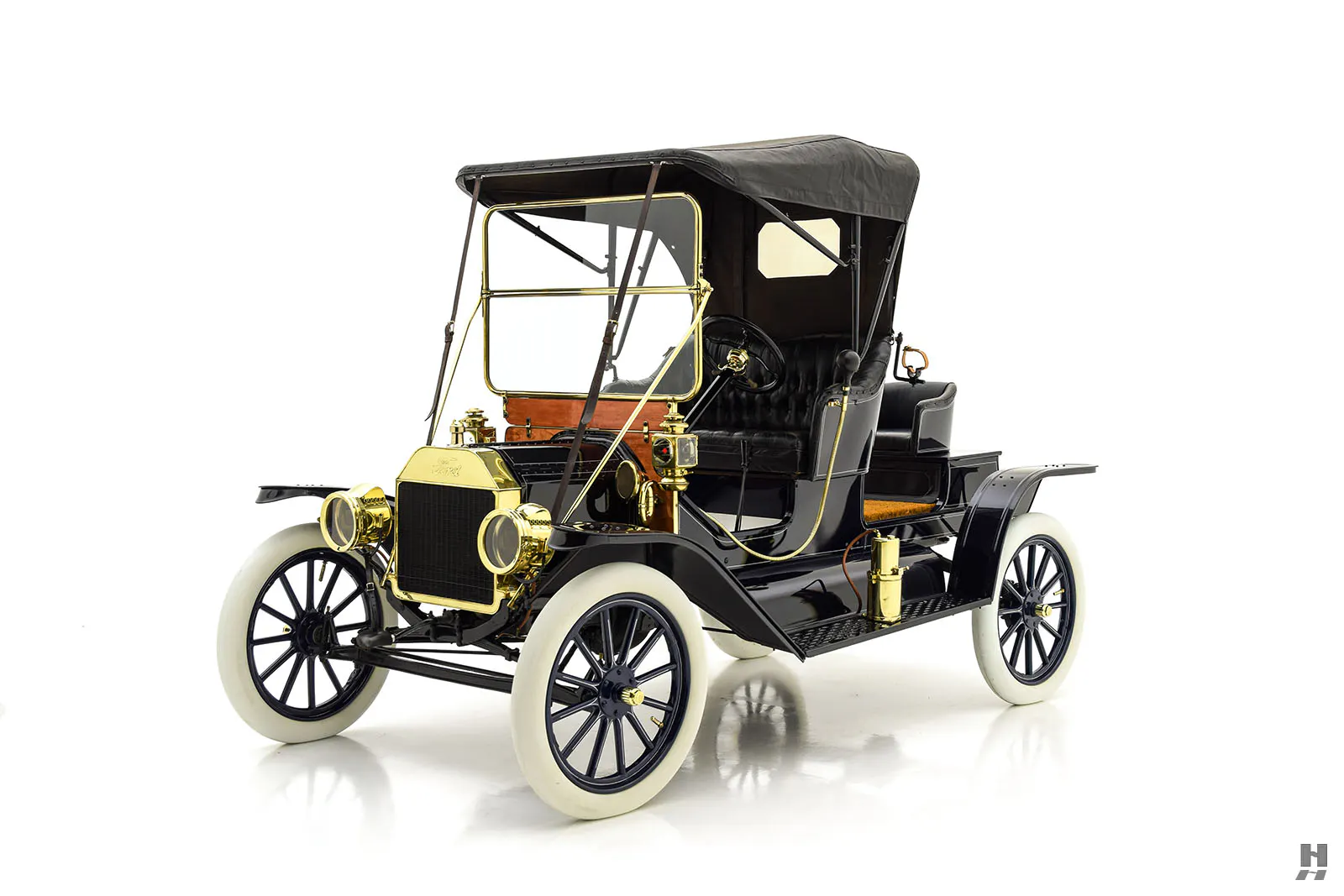
1912 Ford Model T Roadster courtesy of Hyman, Ltd.
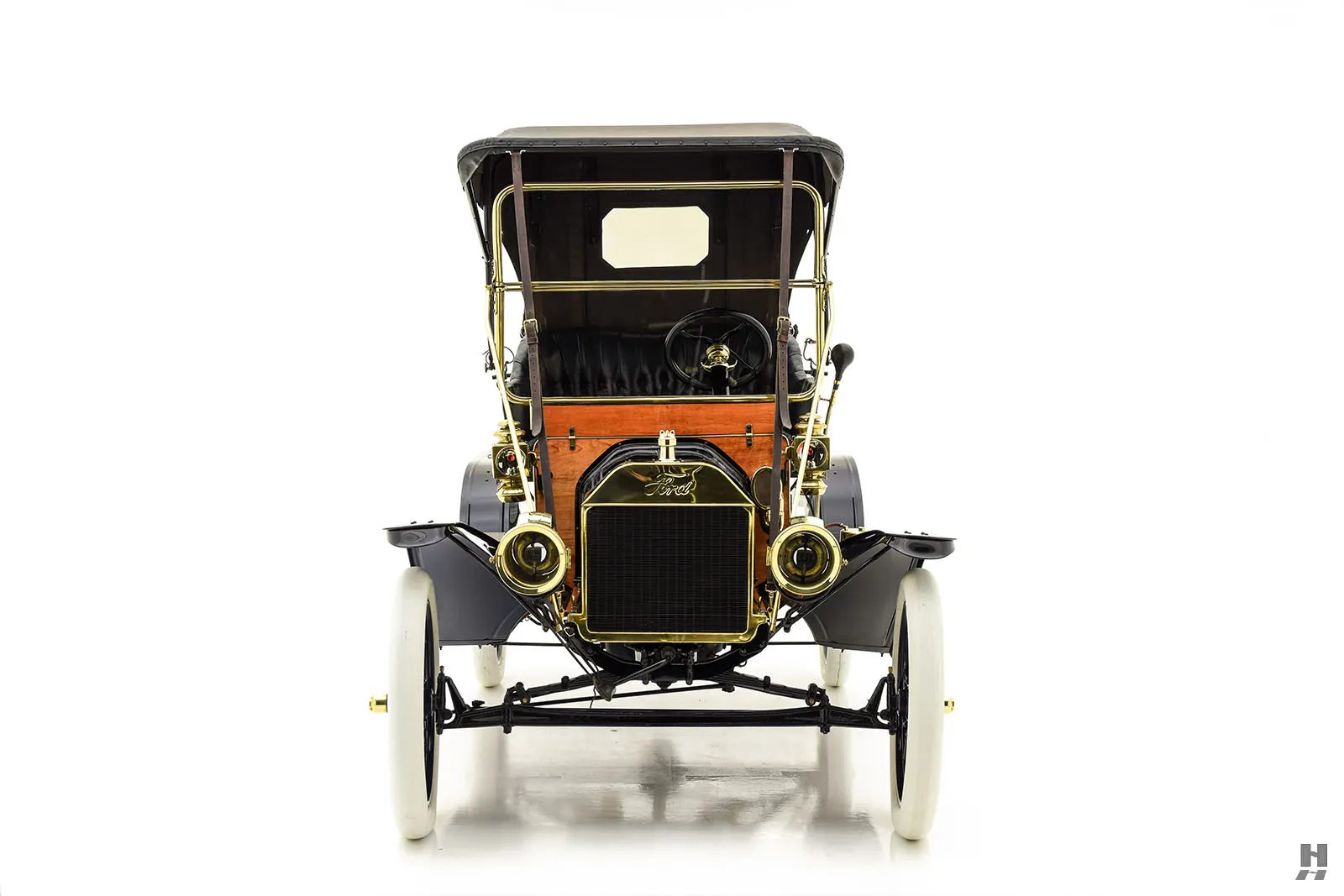
1912 Ford Model T Roadster courtesy of Hyman, Ltd.
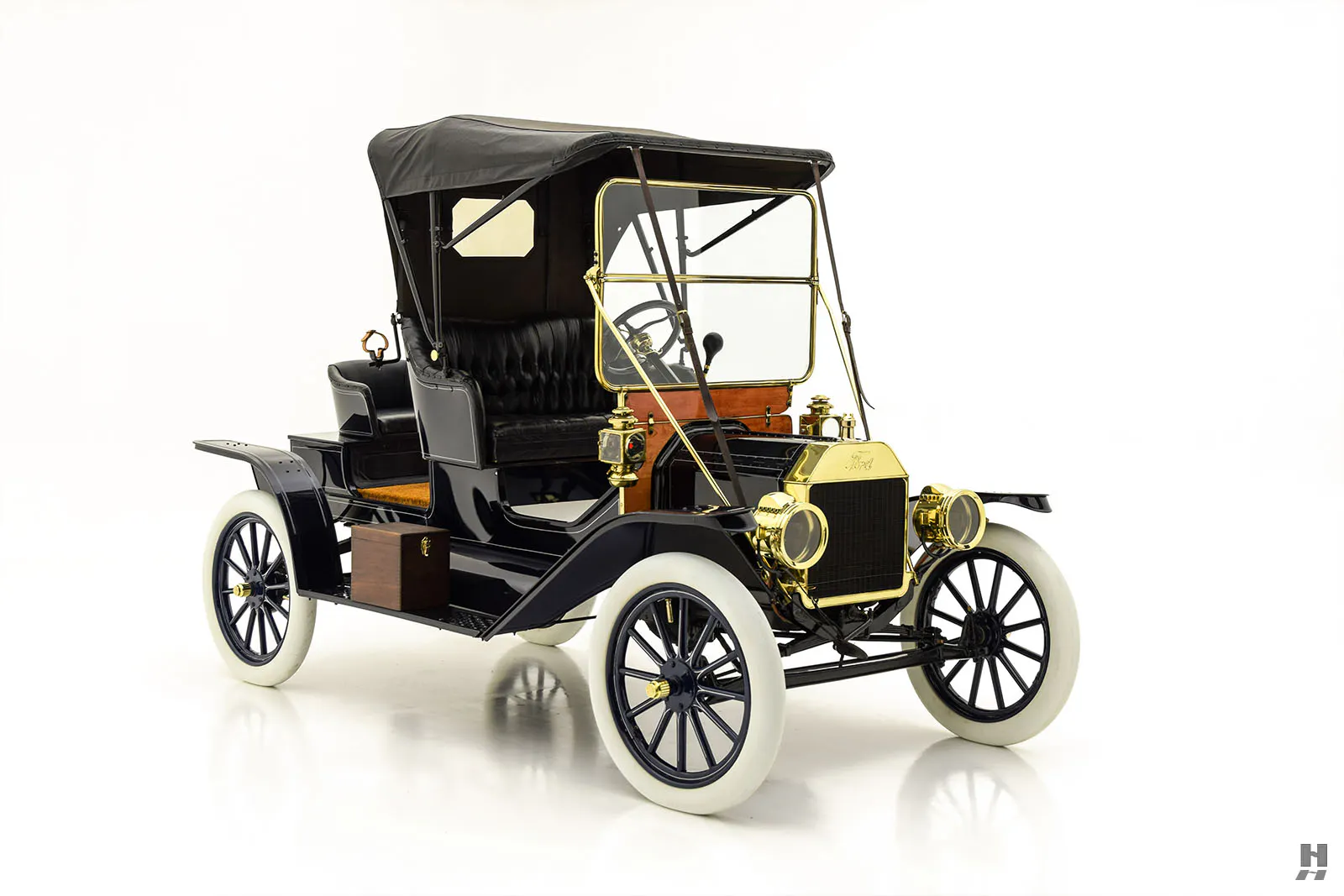
1912 Ford Model T Roadster courtesy of Hyman, Ltd.
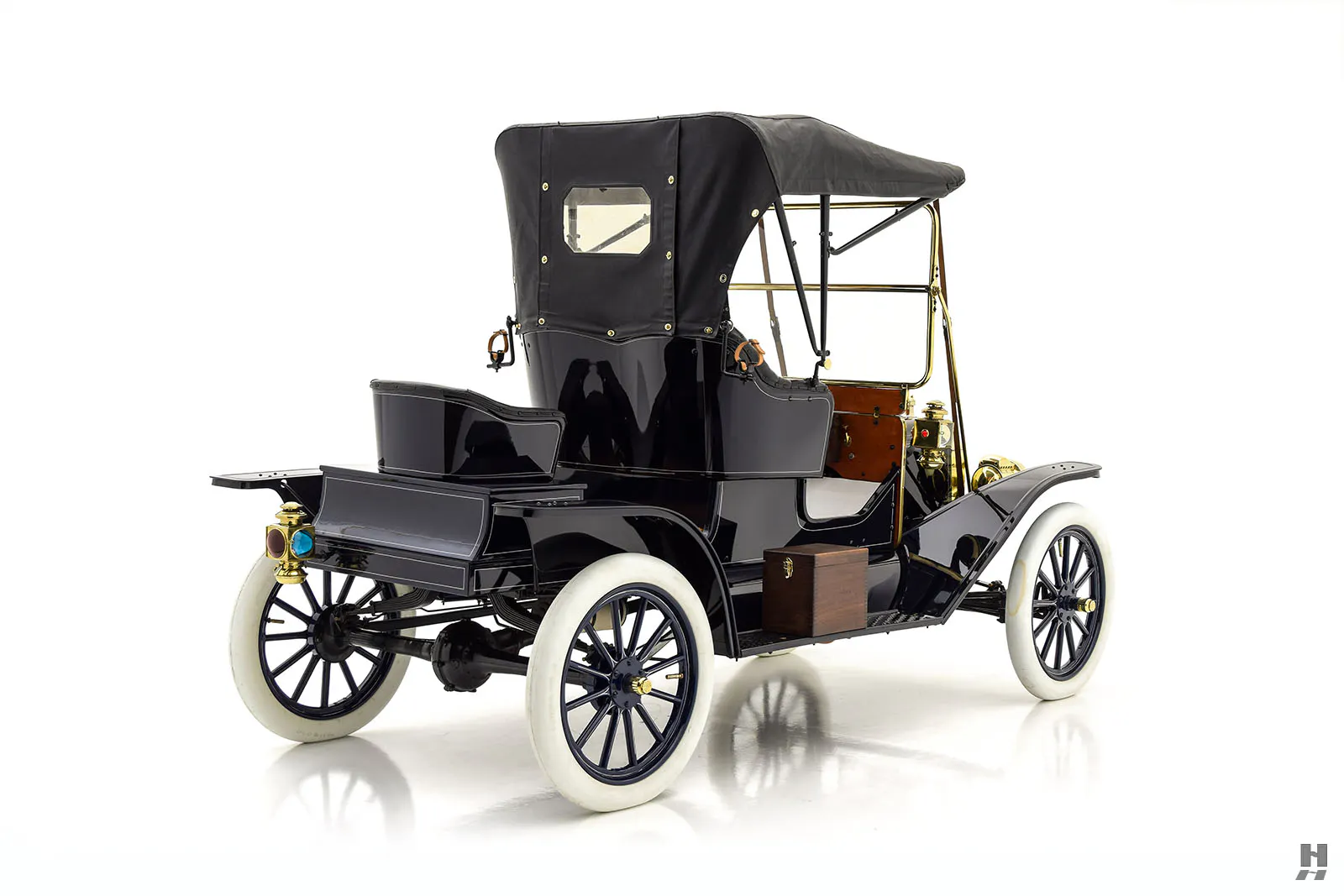
1912 Ford Model T Roadster courtesy of Hyman, Ltd.
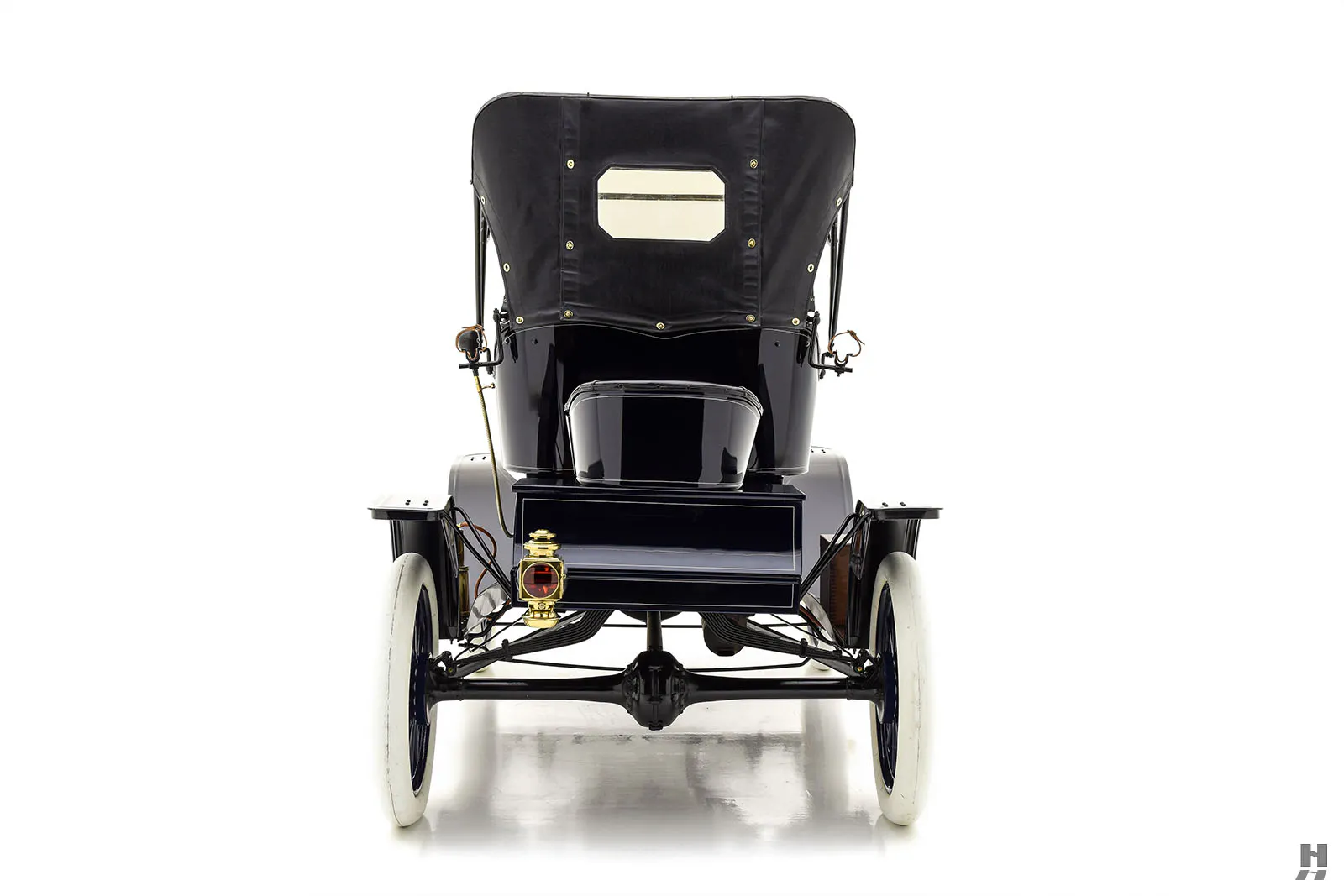
1912 Ford Model T Roadster courtesy of Hyman, Ltd.
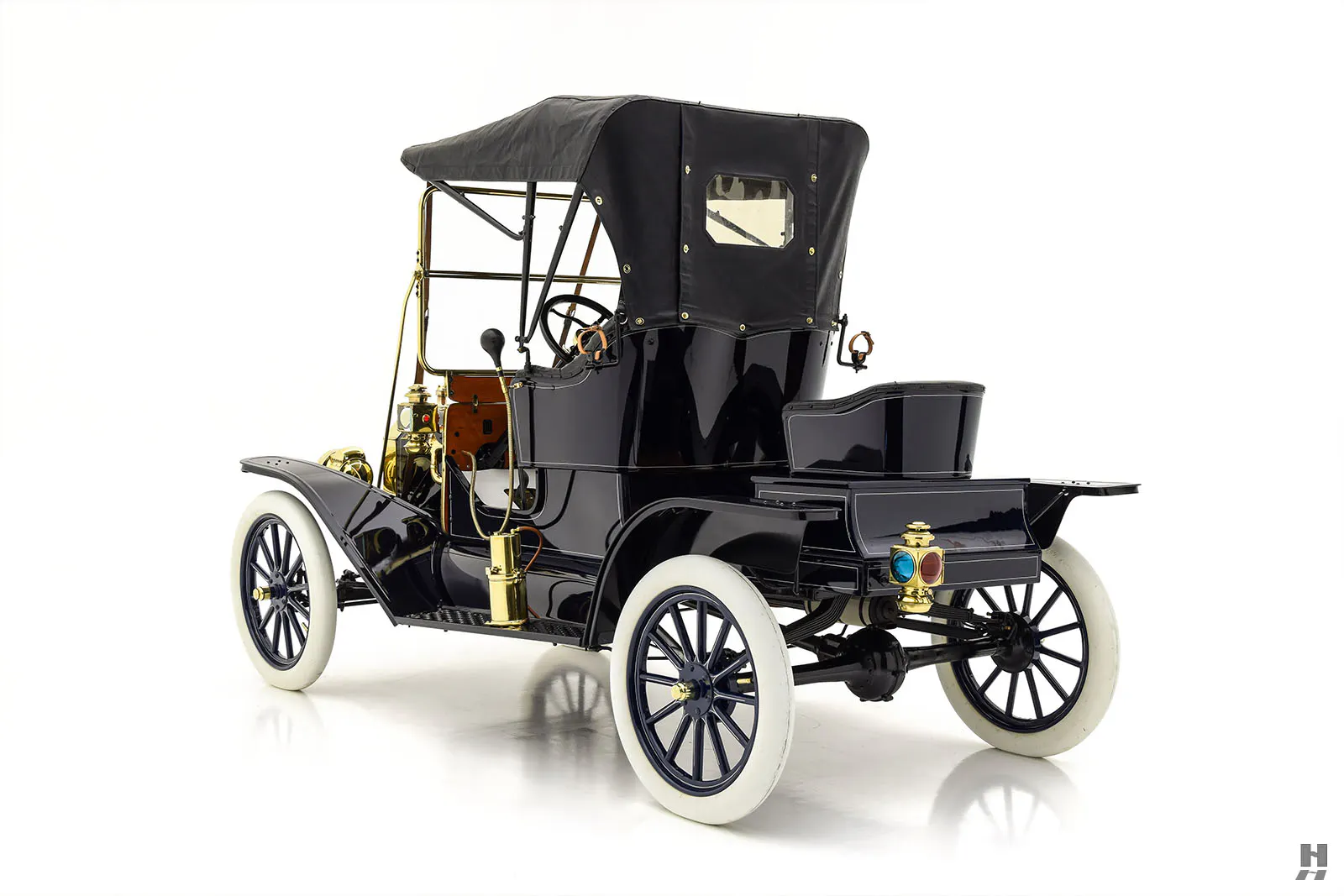
1912 Ford Model T Roadster courtesy of Hyman, Ltd.

Model overview
Model description
The Ford Model T is as much a turning point in industrial history as it is a car. Introduced in 1908 and produced through 1927, the Model T was designed for a broad, previously untapped audience: everyday people who had never owned a car. Before it, automobiles were largely reserved for the wealthy, but Henry Ford had a vision of a durable, affordable car for the masses. The Model T delivered on that promise and, in doing so, reshaped not just transportation but manufacturing itself. It established Ford as a dominant force and set the template for mass production that the entire auto industry would follow.
Technically, the Model T was simple by modern standards but highly effective for its time. It used a front-engine, rear-wheel-drive layout powered by a 2.9-liter inline four-cylinder engine producing about 20 horsepower. That modest output was enough to propel the car to roughly 40–45 mph, more than adequate for early 20th-century roads. The engine ran on gasoline but could also operate on ethanol or kerosene, reflecting the fuel flexibility of the era. One of the car’s defining mechanical features was its planetary transmission, controlled by pedals rather than a conventional gear lever. This made the Model T relatively easy to drive compared to other early automobiles, which often required significant skill to operate.
The real breakthrough came in how the Model T was built. In 1913, Ford introduced the moving assembly line, dramatically reducing production time and cost. What once took more than 12 hours to assemble could be completed in about 90 minutes. This efficiency allowed Ford to continually lower the car’s price, making it accessible to a growing middle class. Early Model Ts sold for around $850, but by the 1920s, prices had dropped to well under $300. This wasn’t just a cheaper car—it was a fundamentally new way of building cars, one that prioritized standardization, interchangeability, and scale.
Over its nearly two-decade production run, the Model T saw incremental updates rather than major redesigns. It was offered in a wide variety of body styles, including touring cars, roadsters, coupes, sedans, and light trucks, making it adaptable to many uses. Its high ground clearance and rugged construction made it well-suited to the rough, unpaved roads common at the time. While early cars came in multiple colors, Ford eventually standardized production around black paint for faster drying times—giving rise to the oft-quoted line that customers could have the car “in any color so long as it is black.” A few notable upgrades include electric lights appearing in 1915, brass radiators being swapped out for painted steel shells in 1917, electric starters used starting in 1919, and several major upgrades in 1926.
Despite its success, the Model T eventually began to show its age. By the mid-1920s, competitors were offering more modern styling, greater comfort, and improved performance. Ford’s reluctance to significantly update the design allowed rivals like Chevrolet to gain ground. Production ended in 1927, after more than 15 million units had been built—a staggering number for the time and a record that stood for decades.
What makes the Ford Model T so significant isn’t just its engineering, but its impact on society. It democratized mobility, brought car ownership within reach of ordinary Americans, and transformed how goods and people moved across the country. At the same time, it revolutionized manufacturing with the assembly line, influencing industries far beyond automotive. For enthusiasts, the Model T isn’t about speed or performance; it’s about understanding where the modern automobile began.
Find more values
Search for prices of other cars, trucks, vans and motorcycles