1930 Ford Model A
2dr Cabriolet
4-cyl. 200.5cid/40hp 1bbl
Forecasted Values
BetaPhotos

1931 Ford Model A Deluxe 2dr Roadster Courtesy of Hyman Ltd.
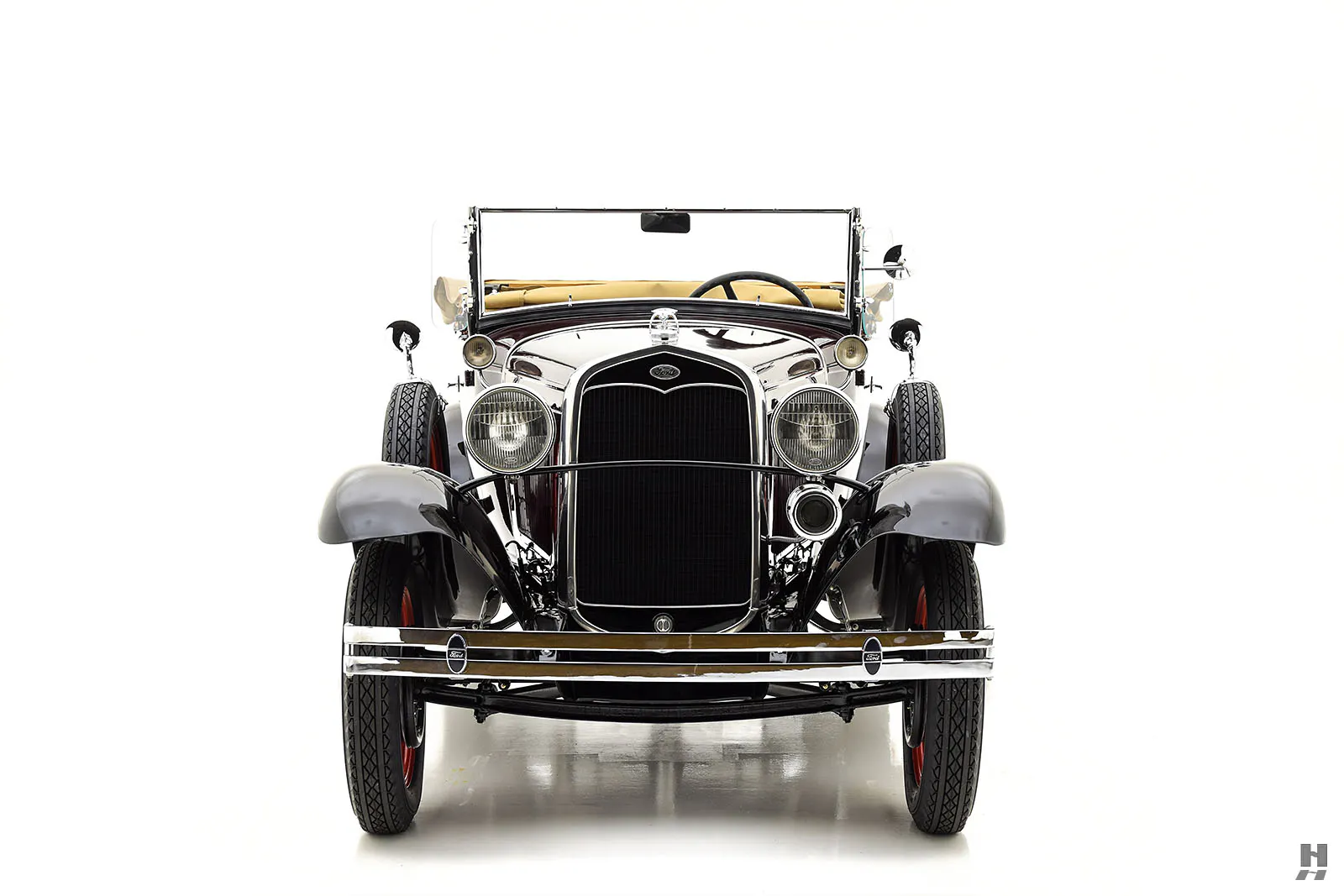
1931 Ford Model A Deluxe 2dr Roadster Courtesy of Hyman Ltd.
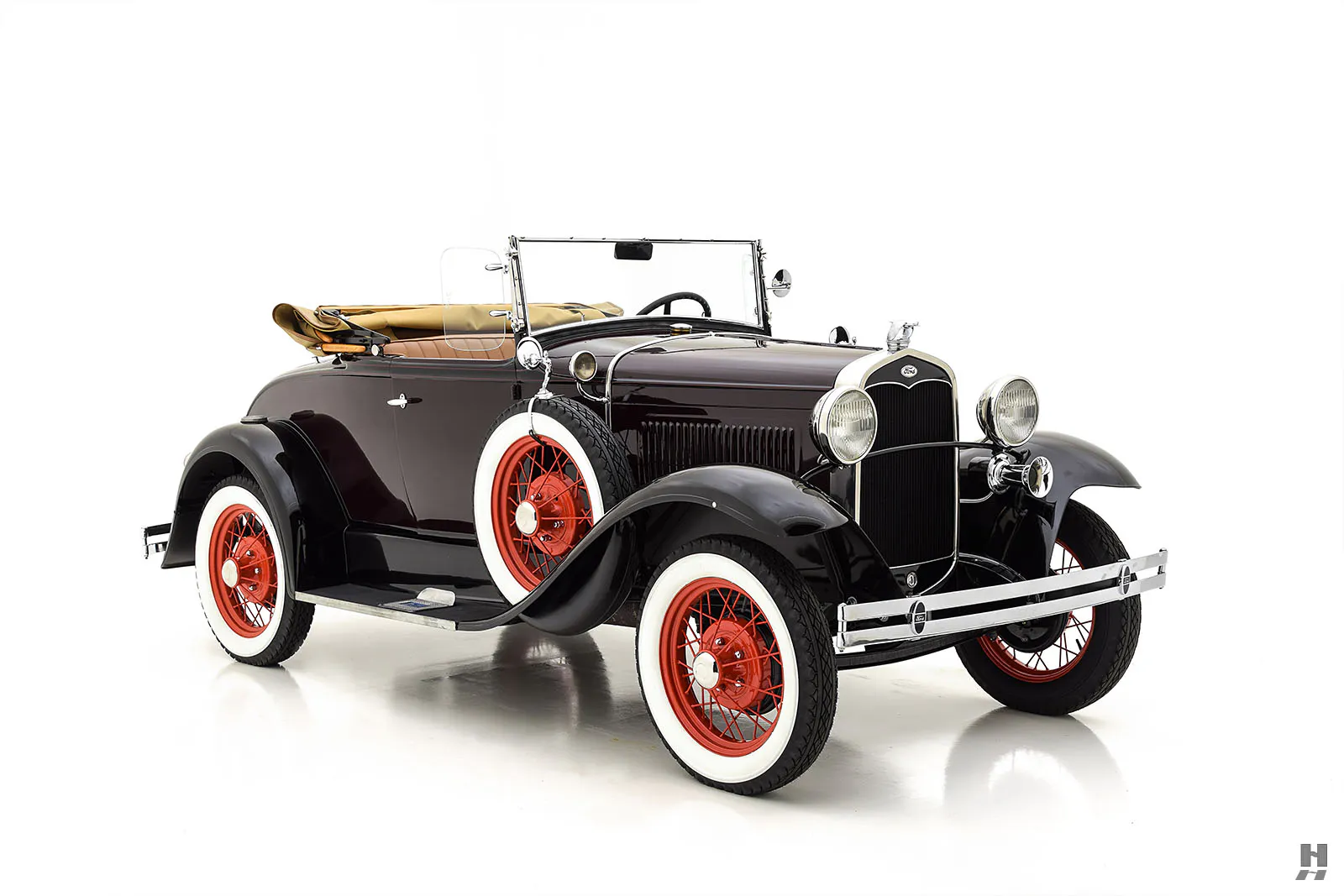
1931 Ford Model A Deluxe 2dr Roadster Courtesy of Hyman Ltd.

1931 Ford Model A Deluxe 2dr Roadster Courtesy of Hyman Ltd.
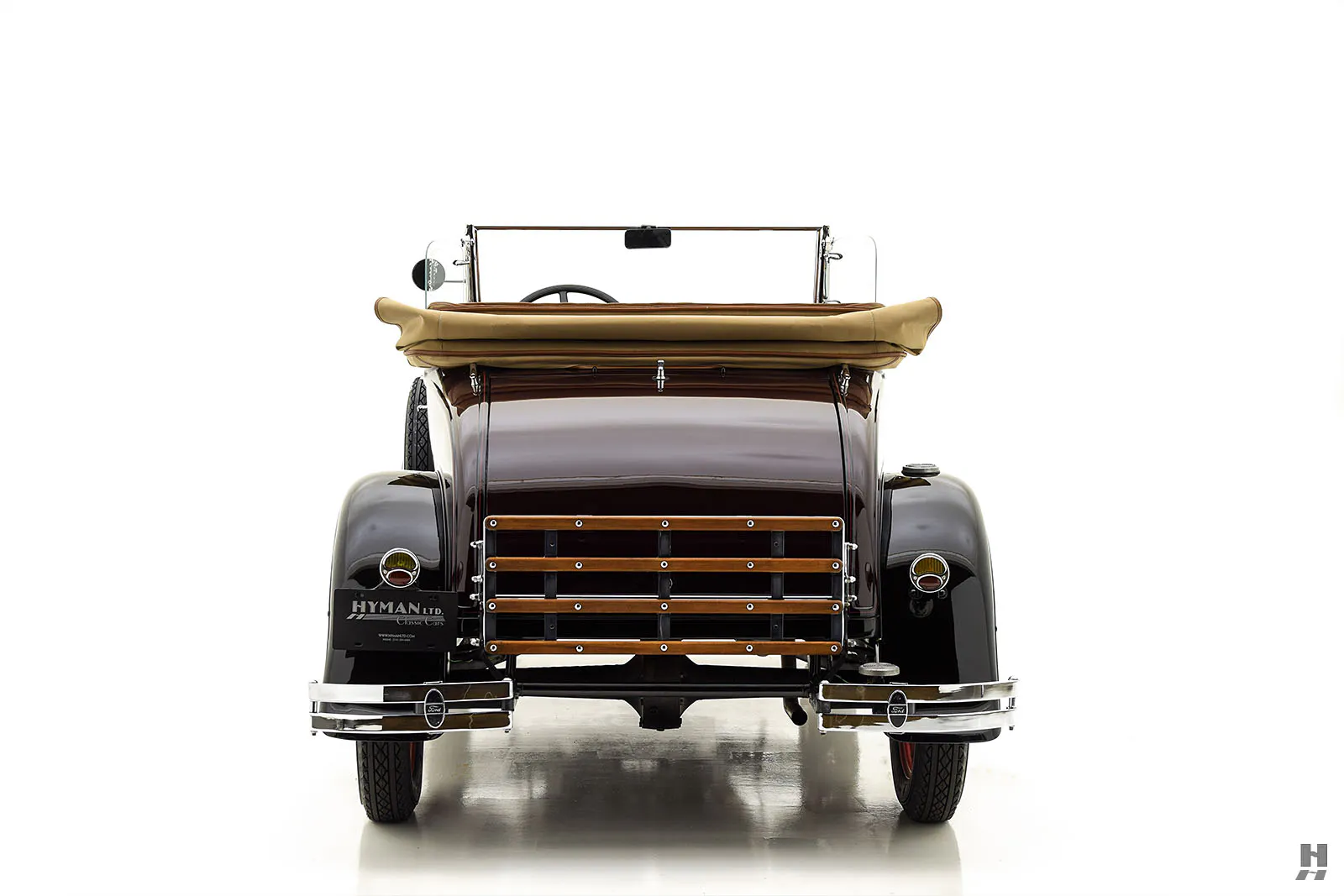
1931 Ford Model A Deluxe 2dr Roadster Courtesy of Hyman Ltd.
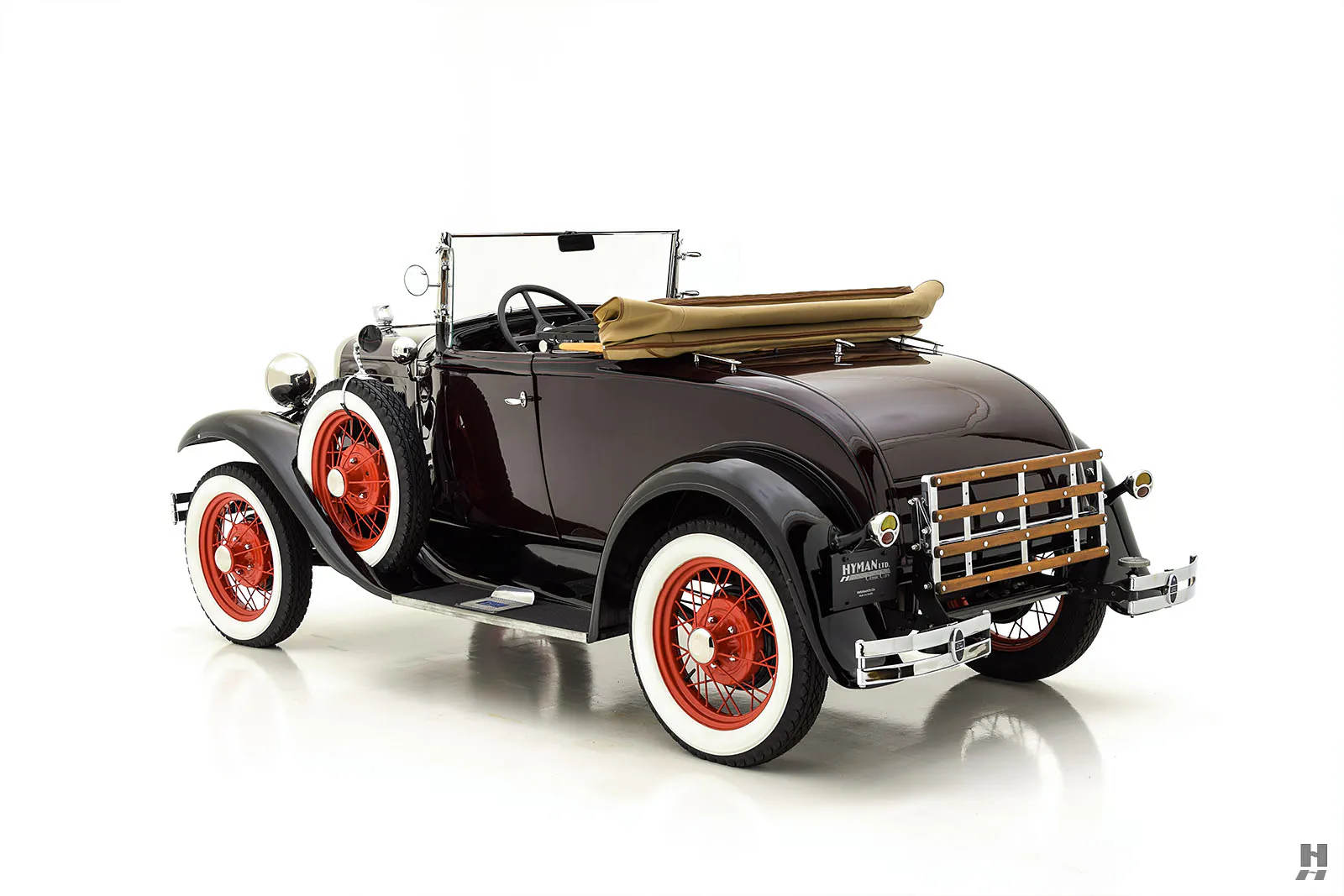
1931 Ford Model A Deluxe 2dr Roadster Courtesy of Hyman Ltd.
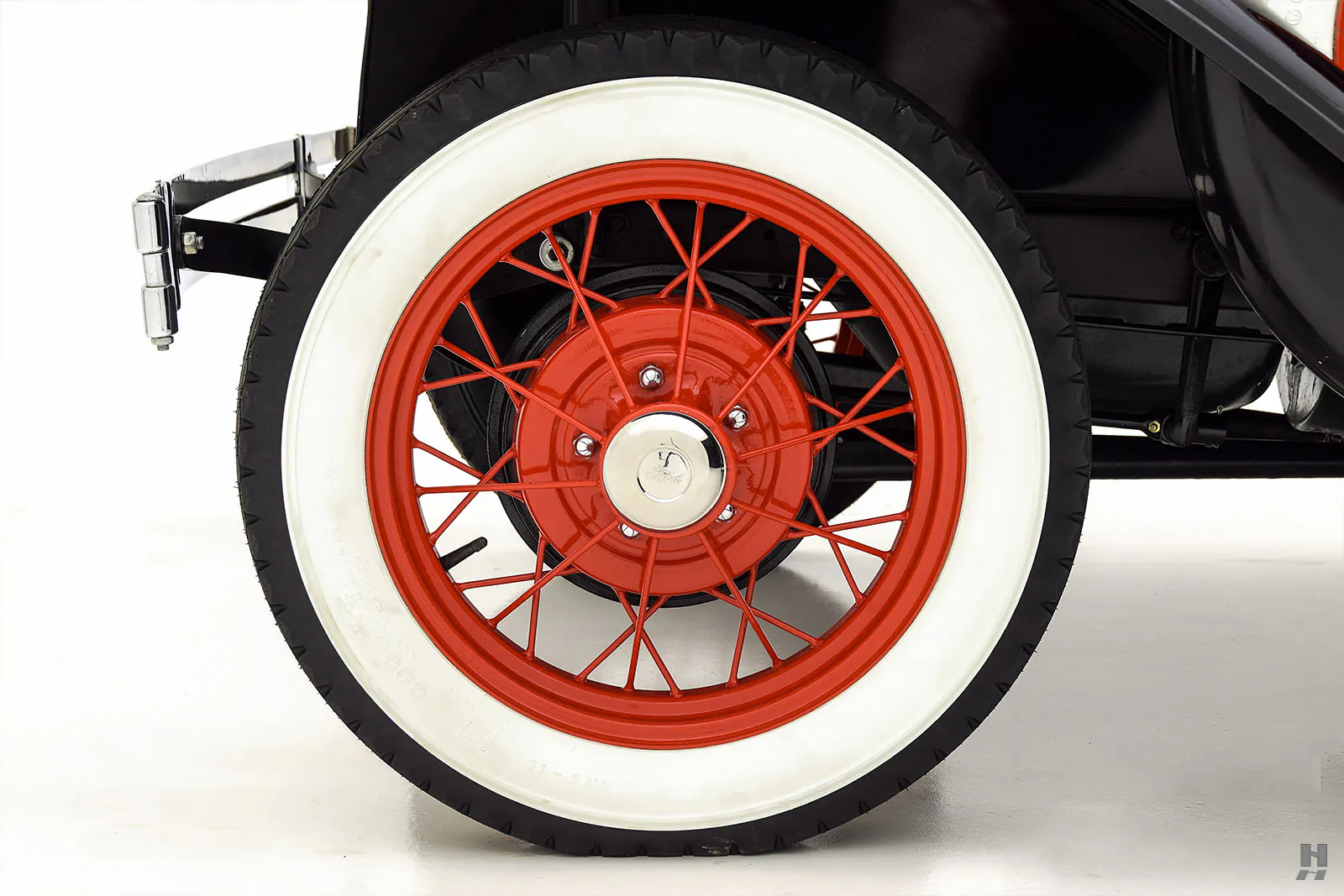
1931 Ford Model A Deluxe 2dr Roadster Courtesy of Hyman Ltd.

1931 Ford Model A Deluxe 2dr Roadster Courtesy of Hyman Ltd.
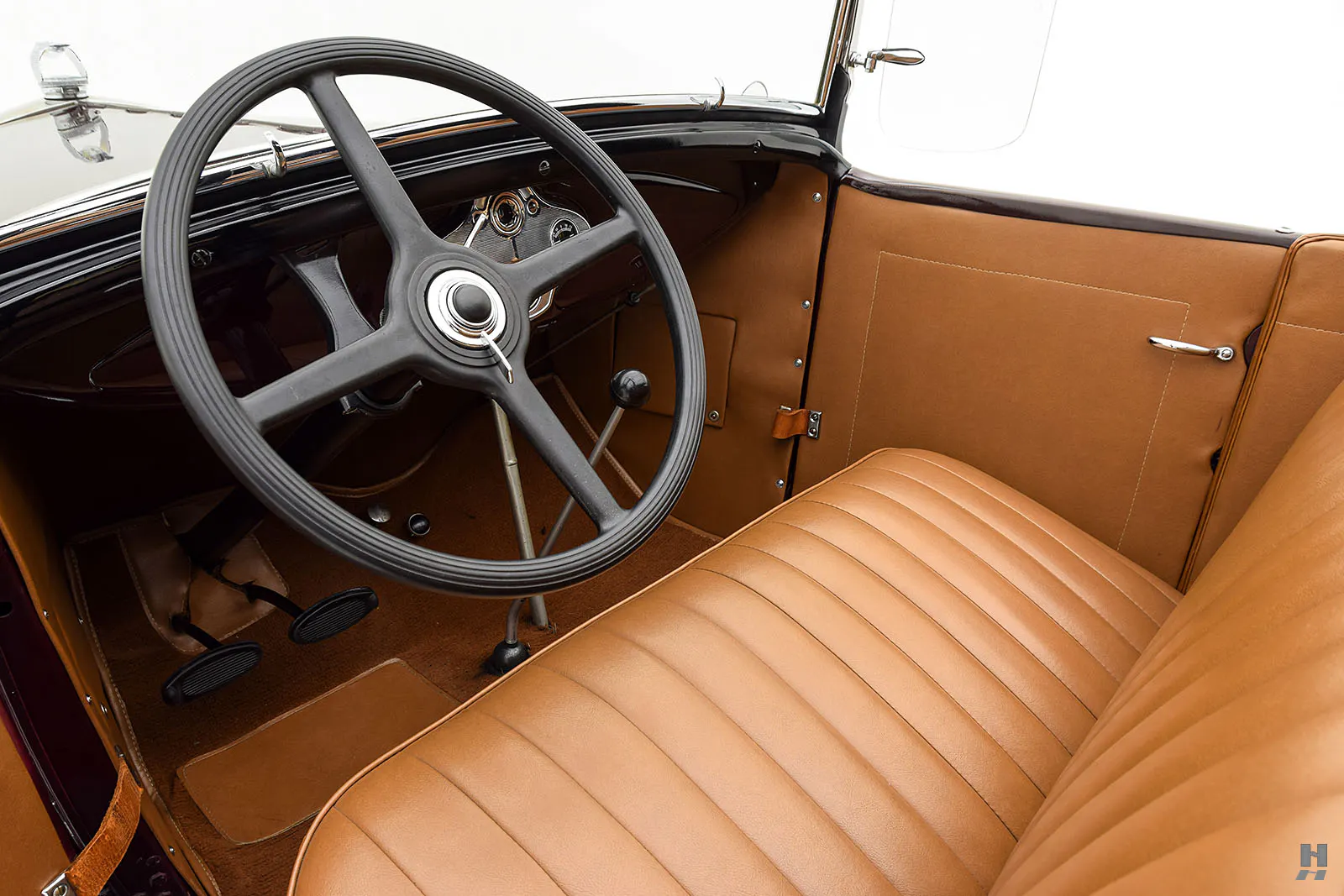
1931 Ford Model A Deluxe 2dr Roadster Courtesy of Hyman Ltd.
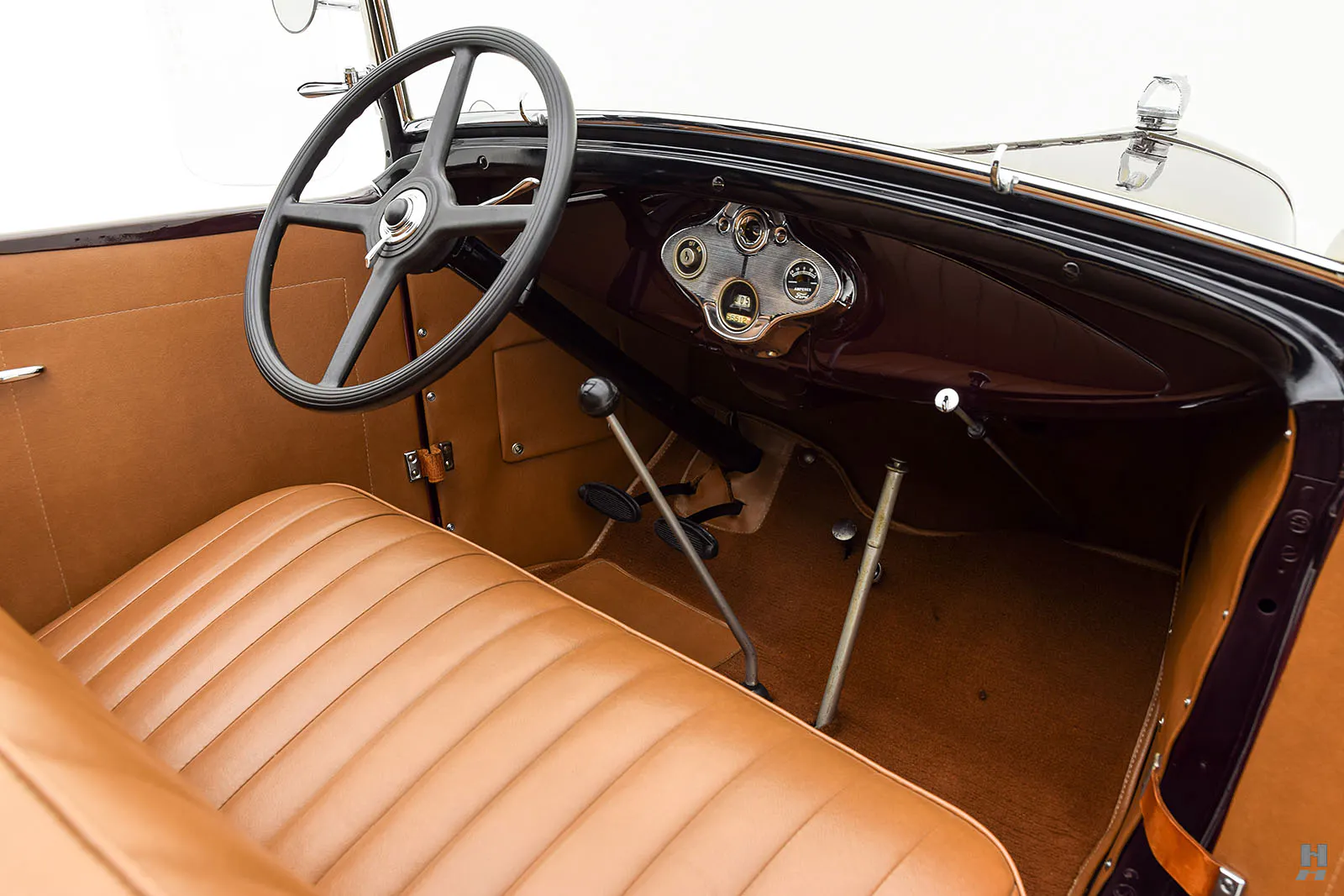
1931 Ford Model A Deluxe 2dr Roadster Courtesy of Hyman Ltd.
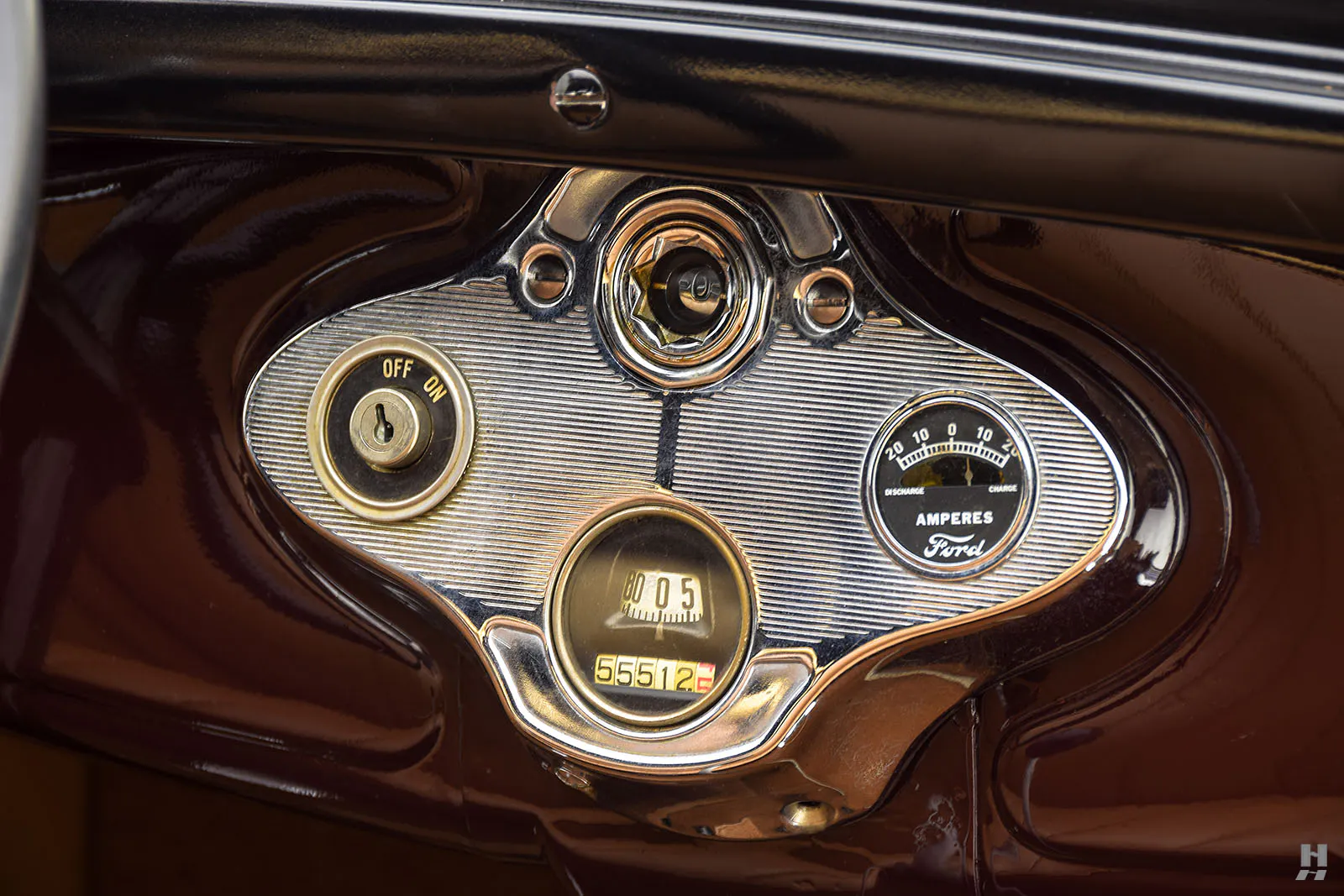
1931 Ford Model A Deluxe 2dr Roadster Courtesy of Hyman Ltd.
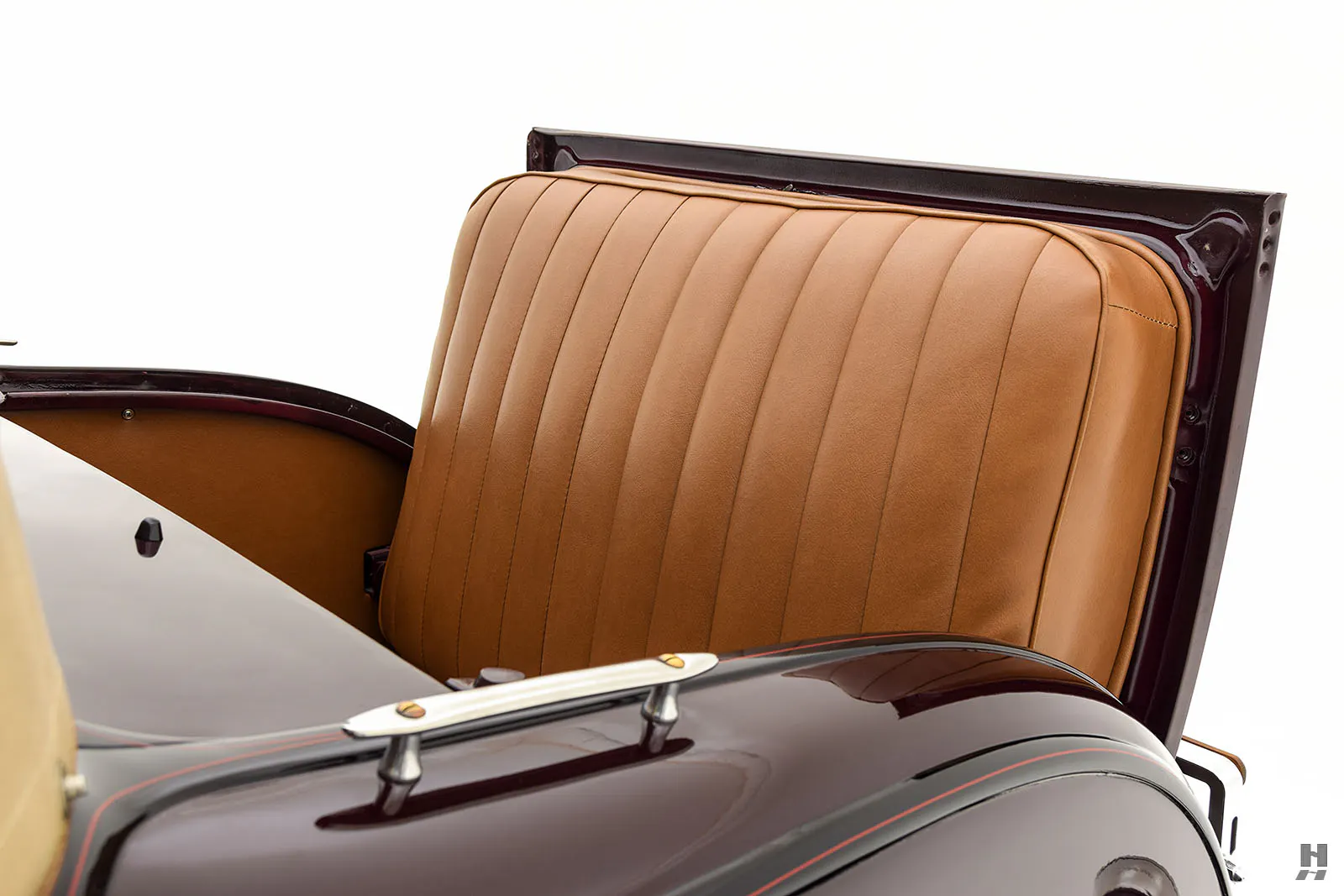
1931 Ford Model A Deluxe 2dr Roadster Courtesy of Hyman Ltd.
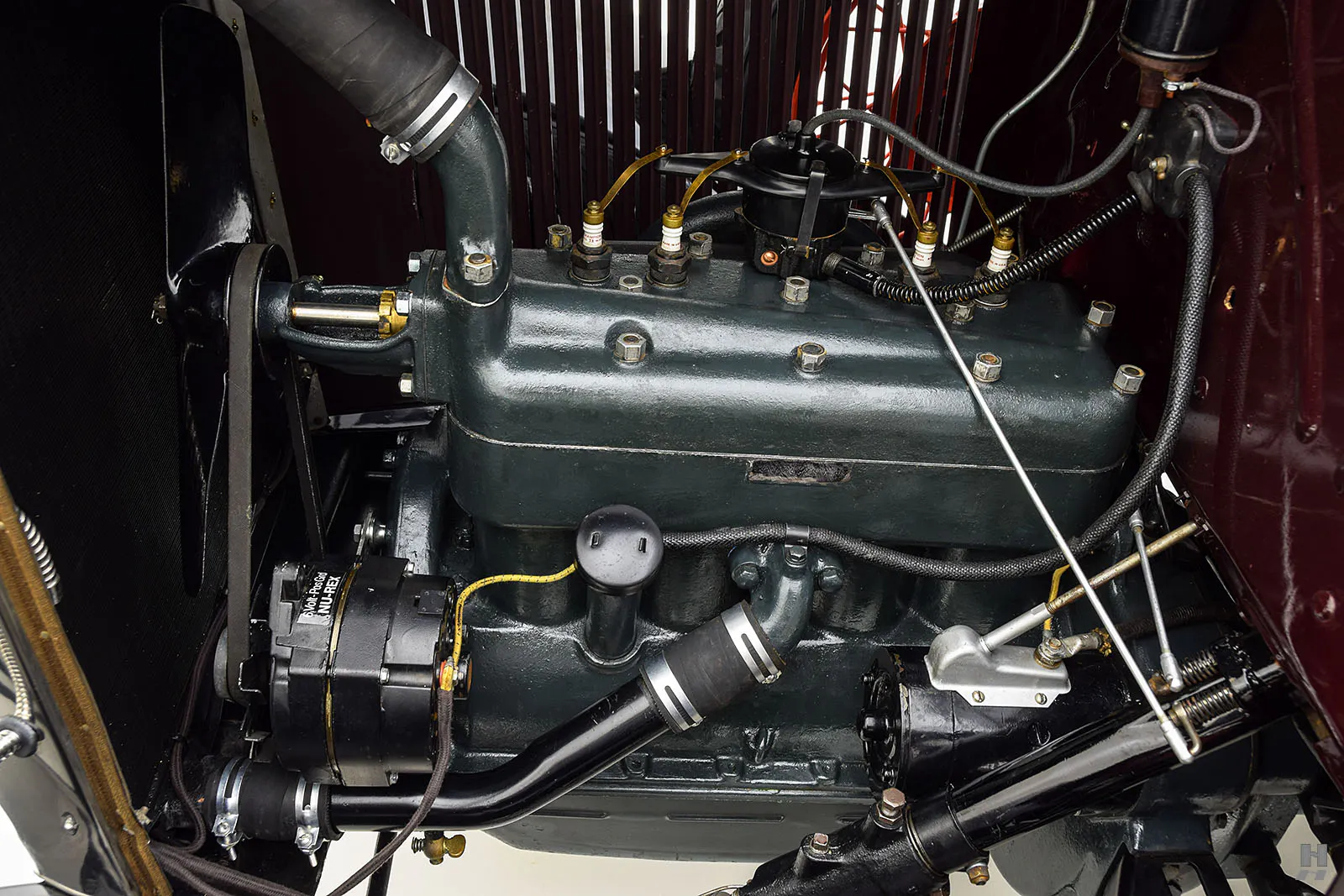
1931 Ford Model A Deluxe 2dr Roadster Courtesy of Hyman Ltd.
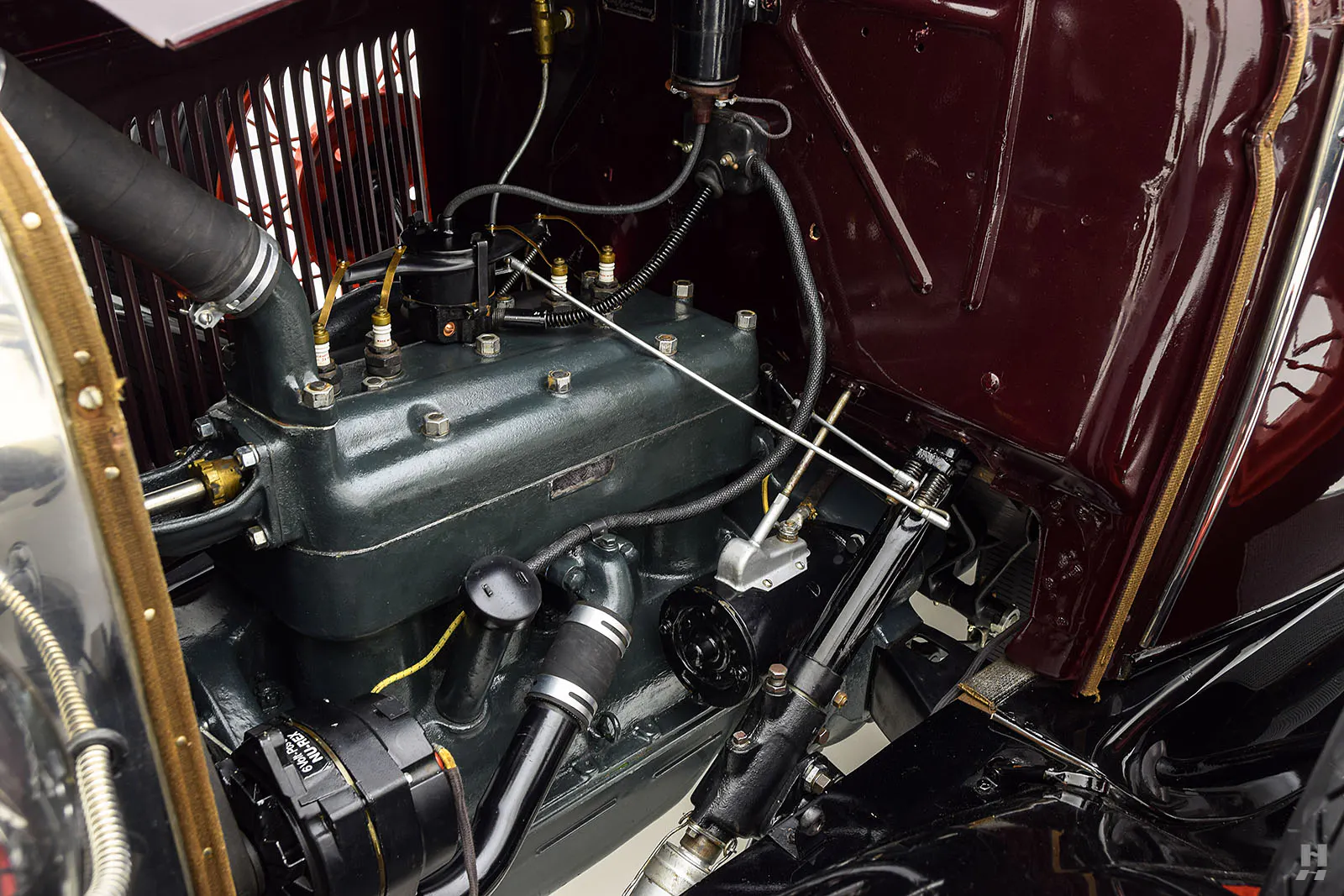
1931 Ford Model A Deluxe 2dr Roadster Courtesy of Hyman Ltd.
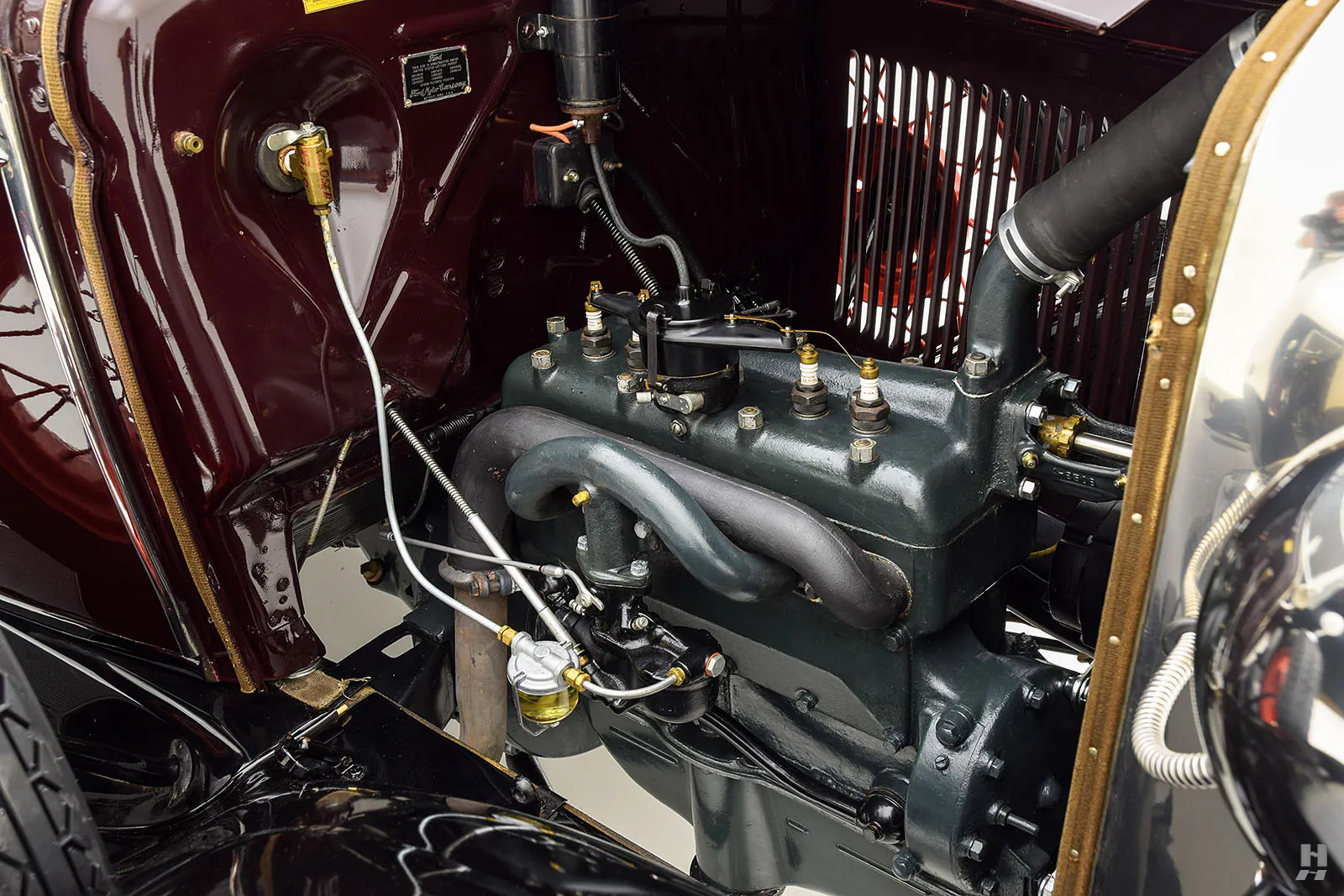
1931 Ford Model A Deluxe 2dr Roadster Courtesy of Hyman Ltd.
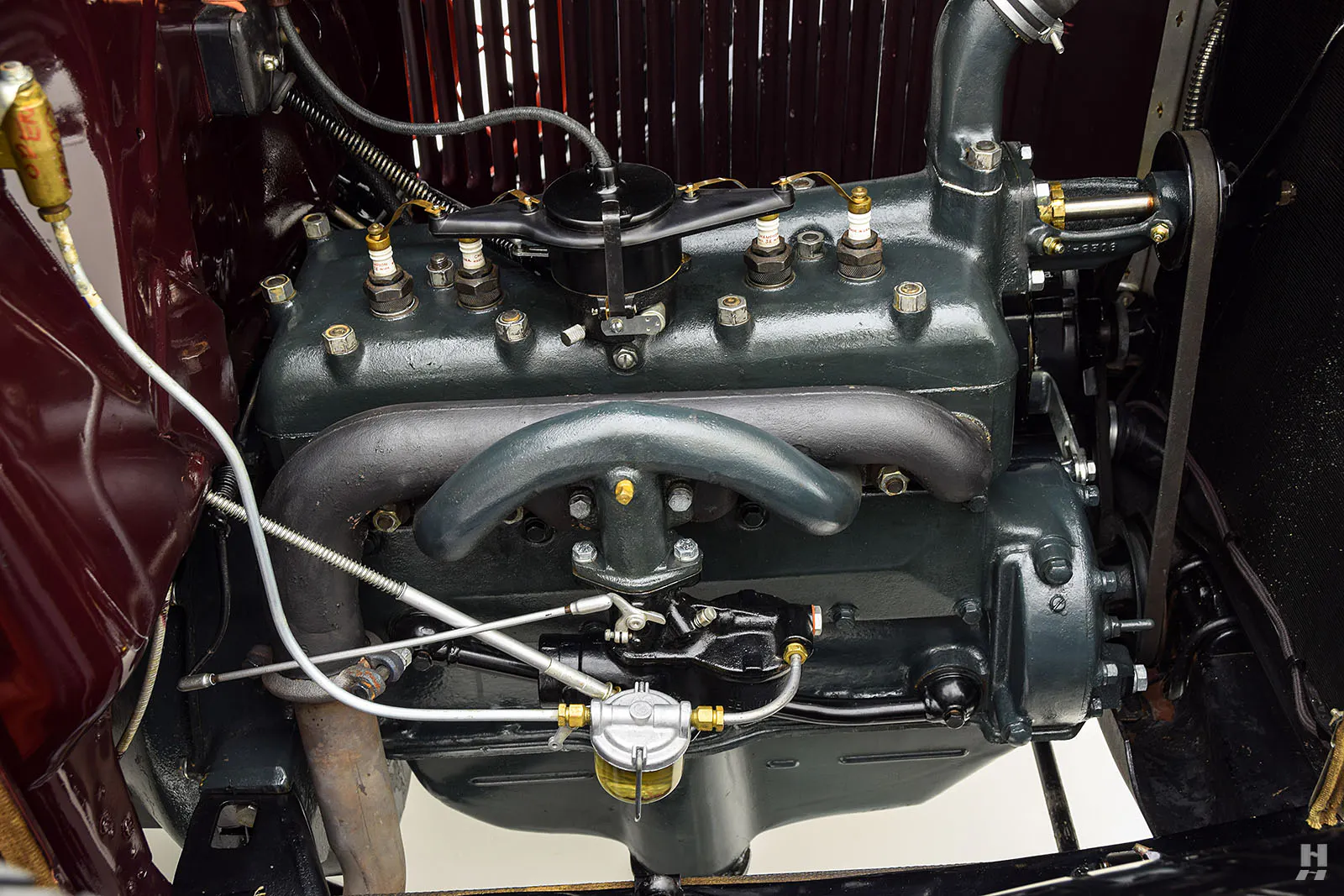
1931 Ford Model A Deluxe 2dr Roadster Courtesy of Hyman Ltd.

1931 Ford Model A Deluxe 2dr Roadster Courtesy of Hyman Ltd.
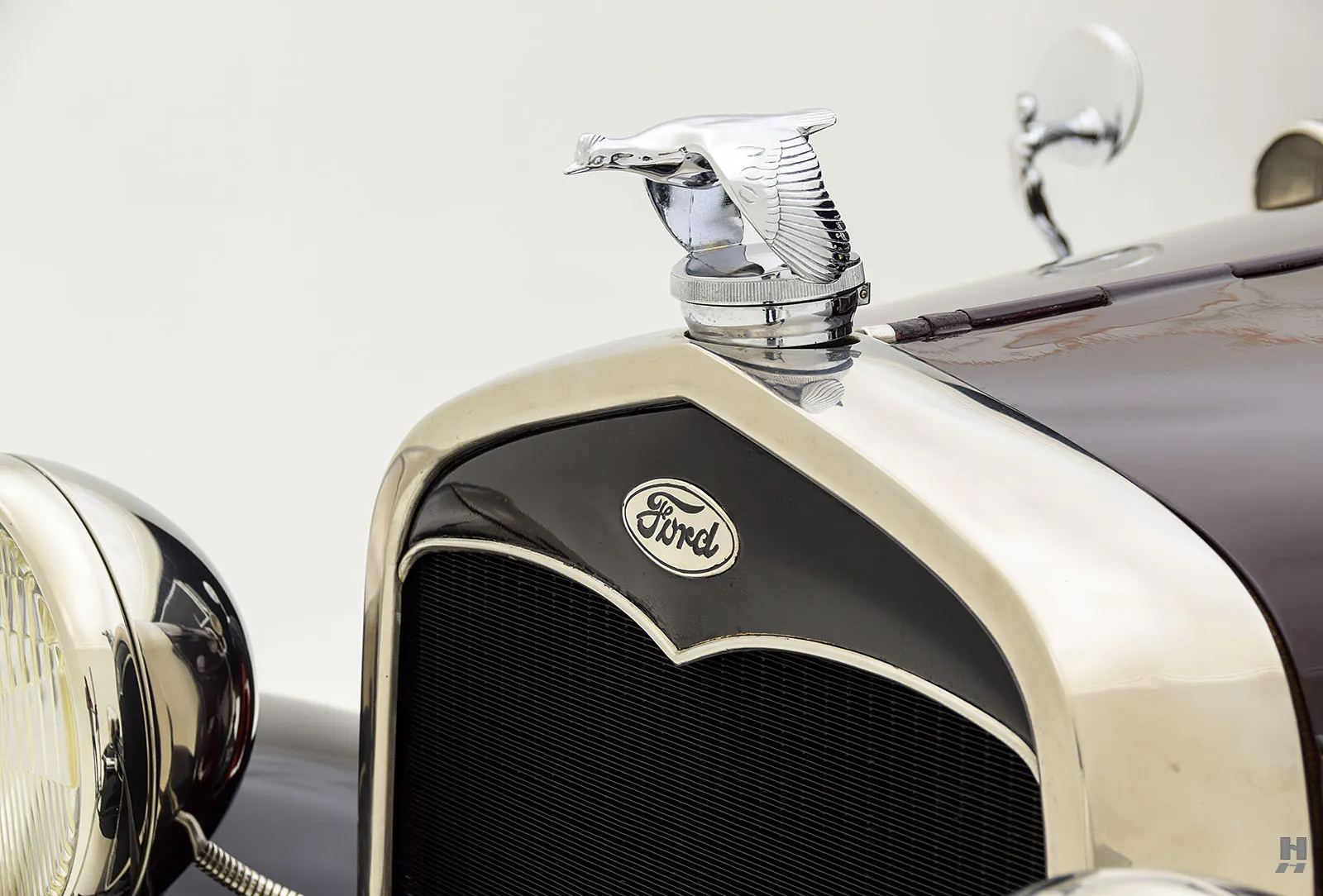
1931 Ford Model A Deluxe 2dr Roadster Courtesy of Hyman Ltd.
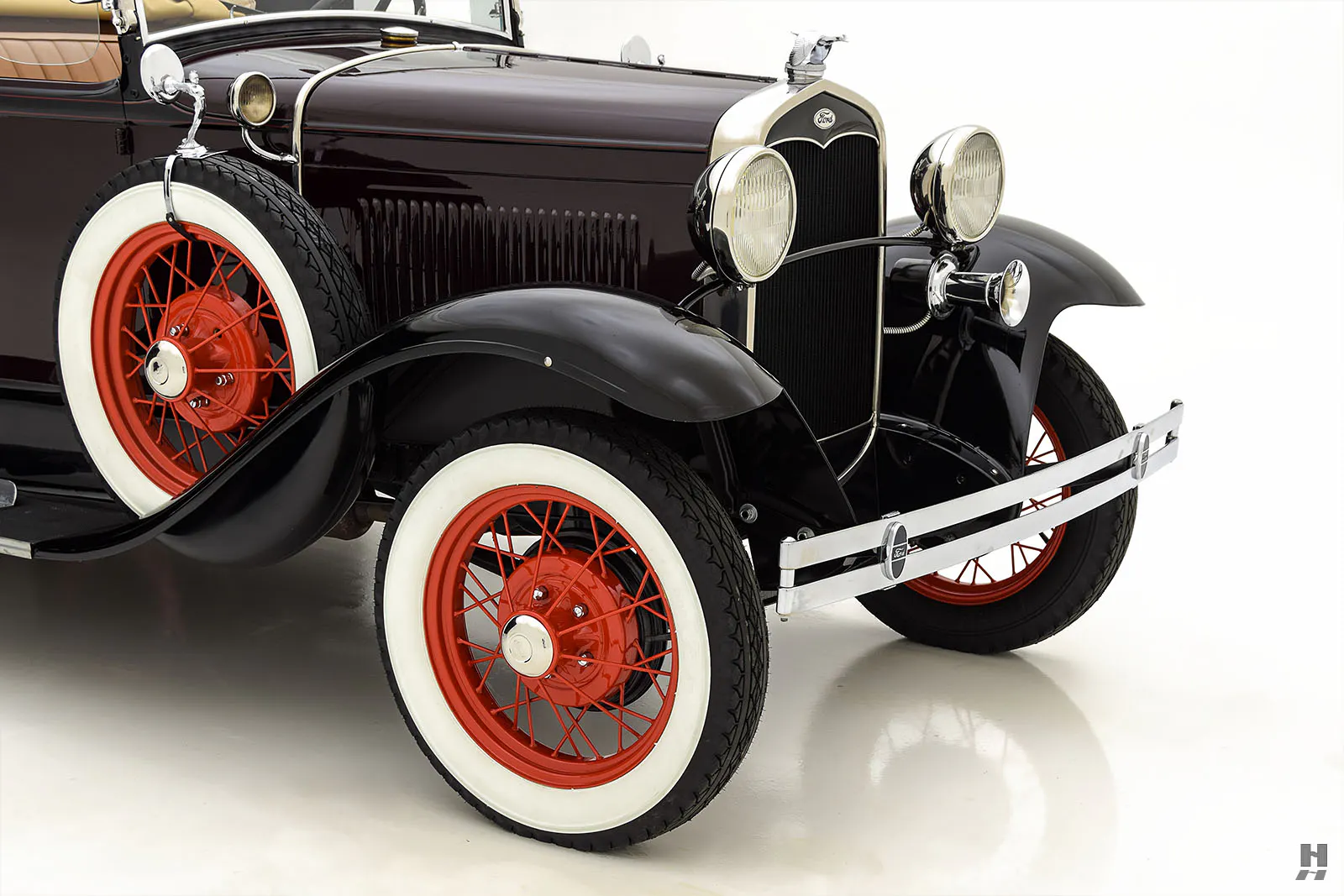
1931 Ford Model A Deluxe 2dr Roadster Courtesy of Hyman Ltd.
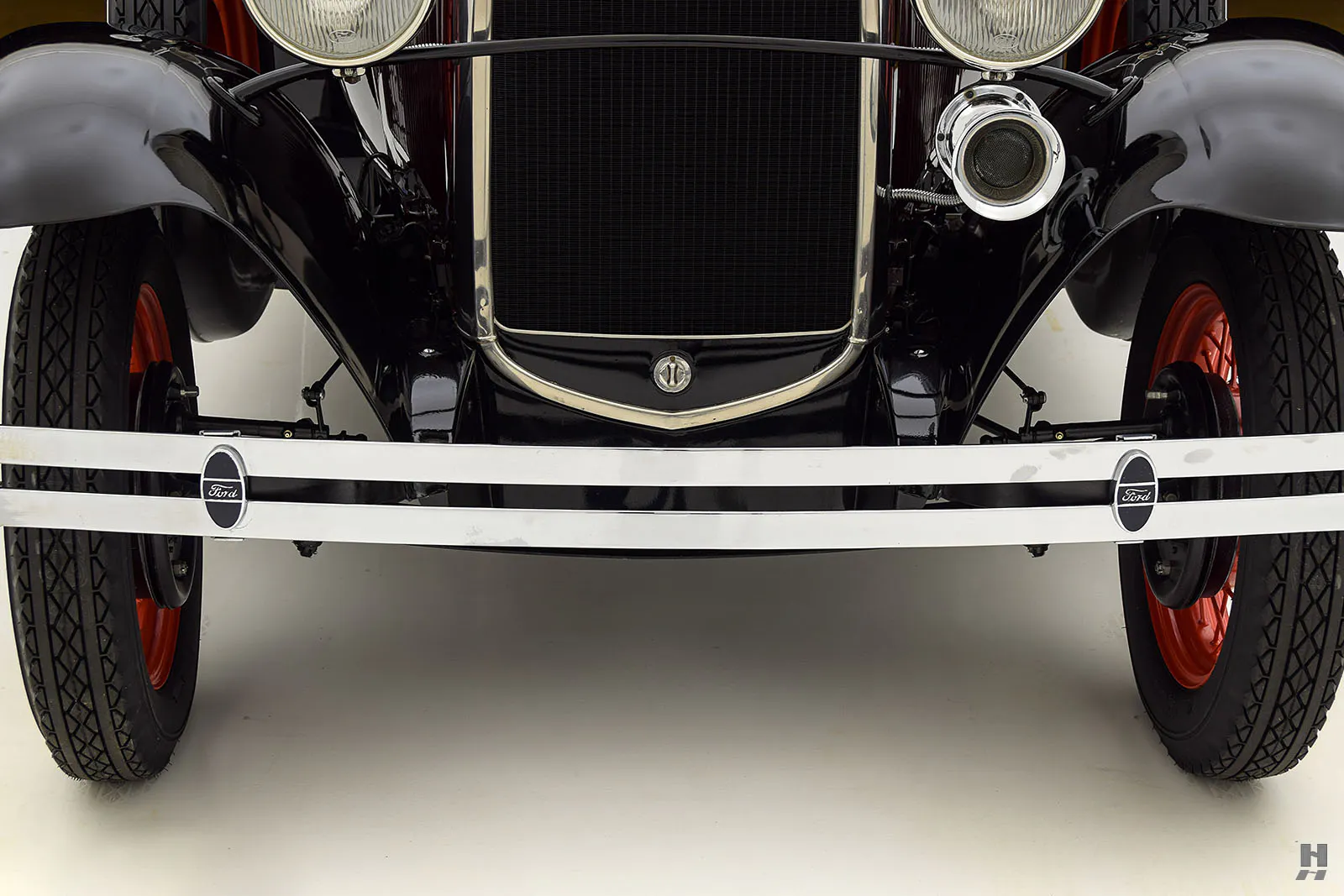
1931 Ford Model A Deluxe 2dr Roadster Courtesy of Hyman Ltd.
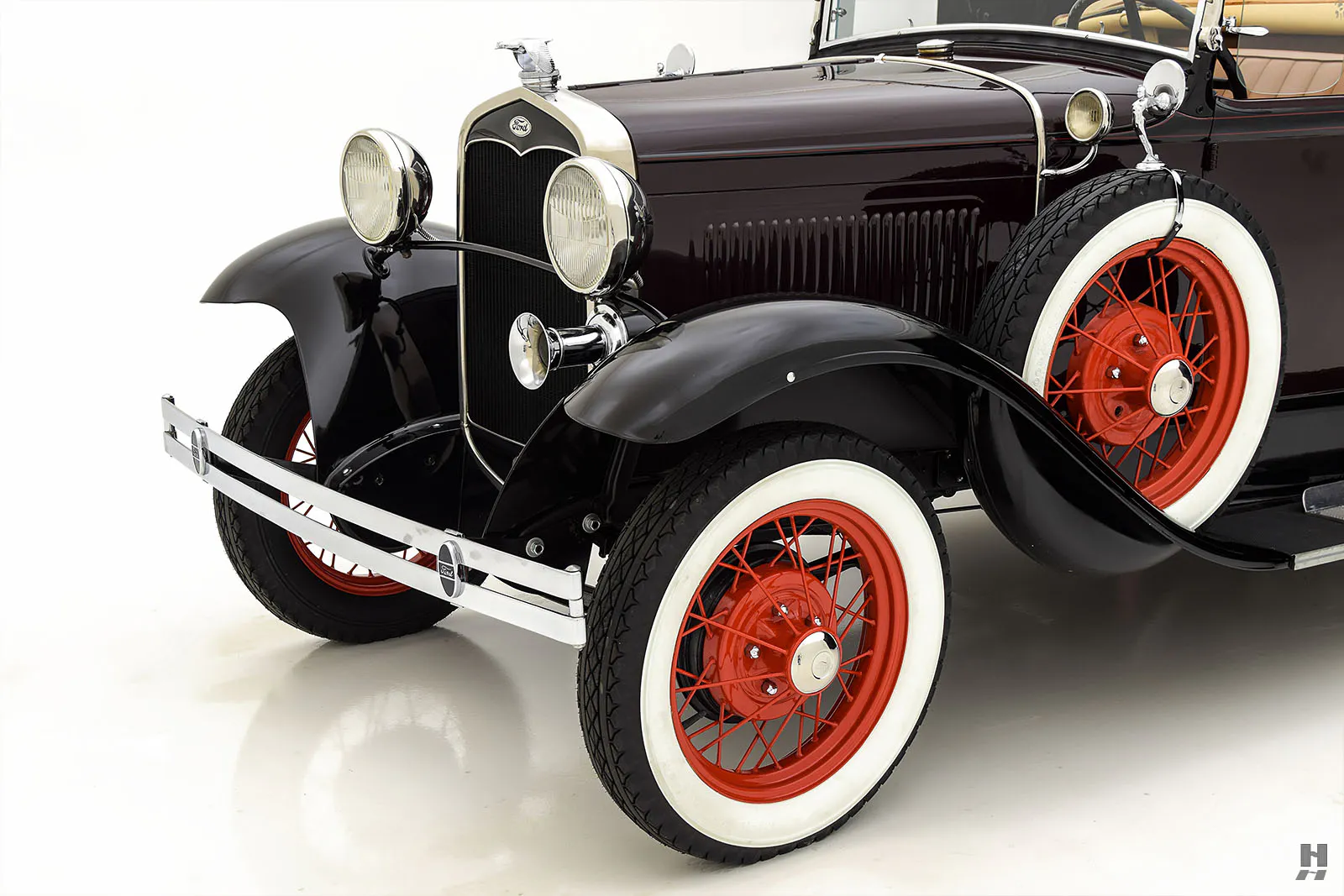
1931 Ford Model A Deluxe 2dr Roadster Courtesy of Hyman Ltd.
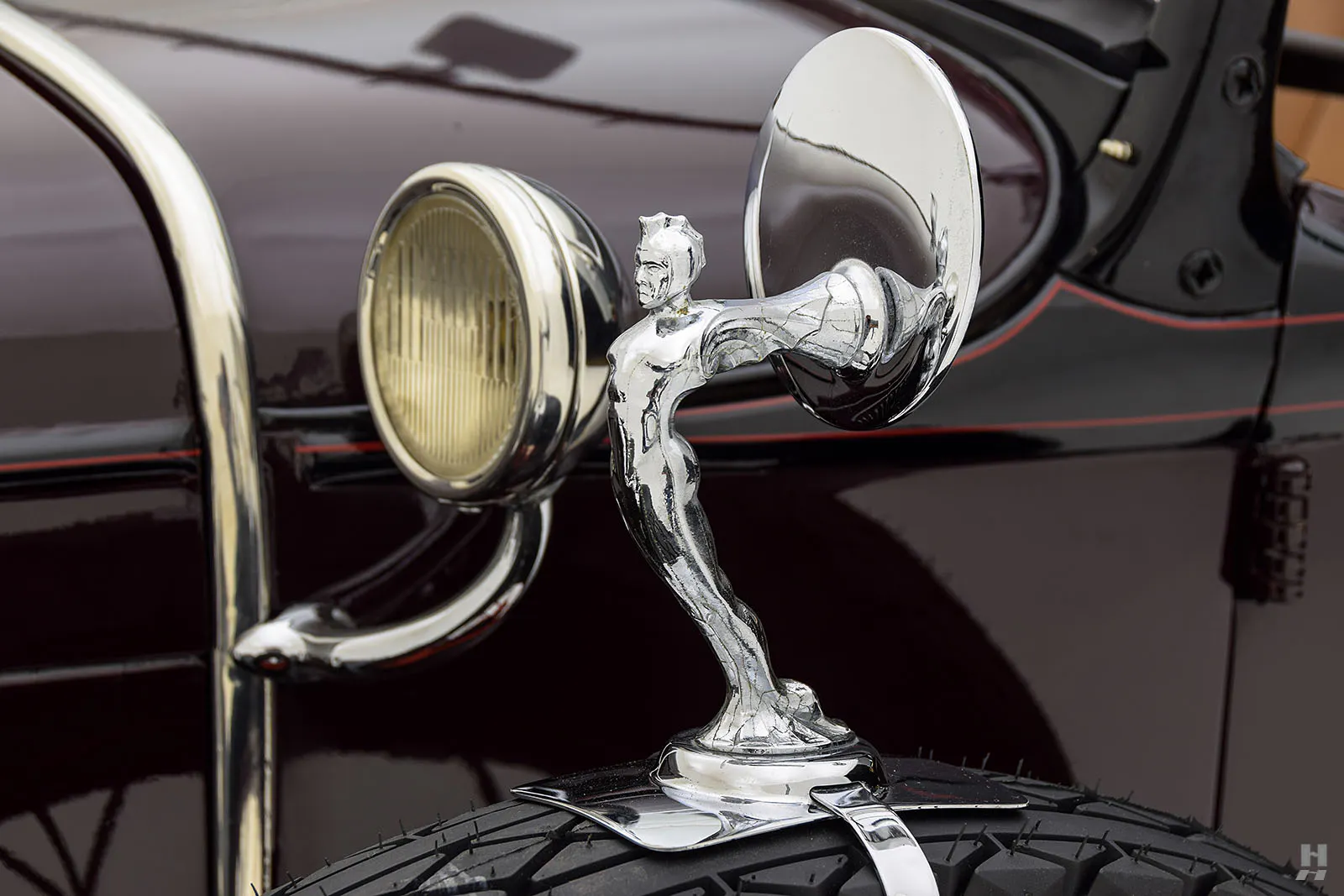
1931 Ford Model A Deluxe 2dr Roadster Courtesy of Hyman Ltd.
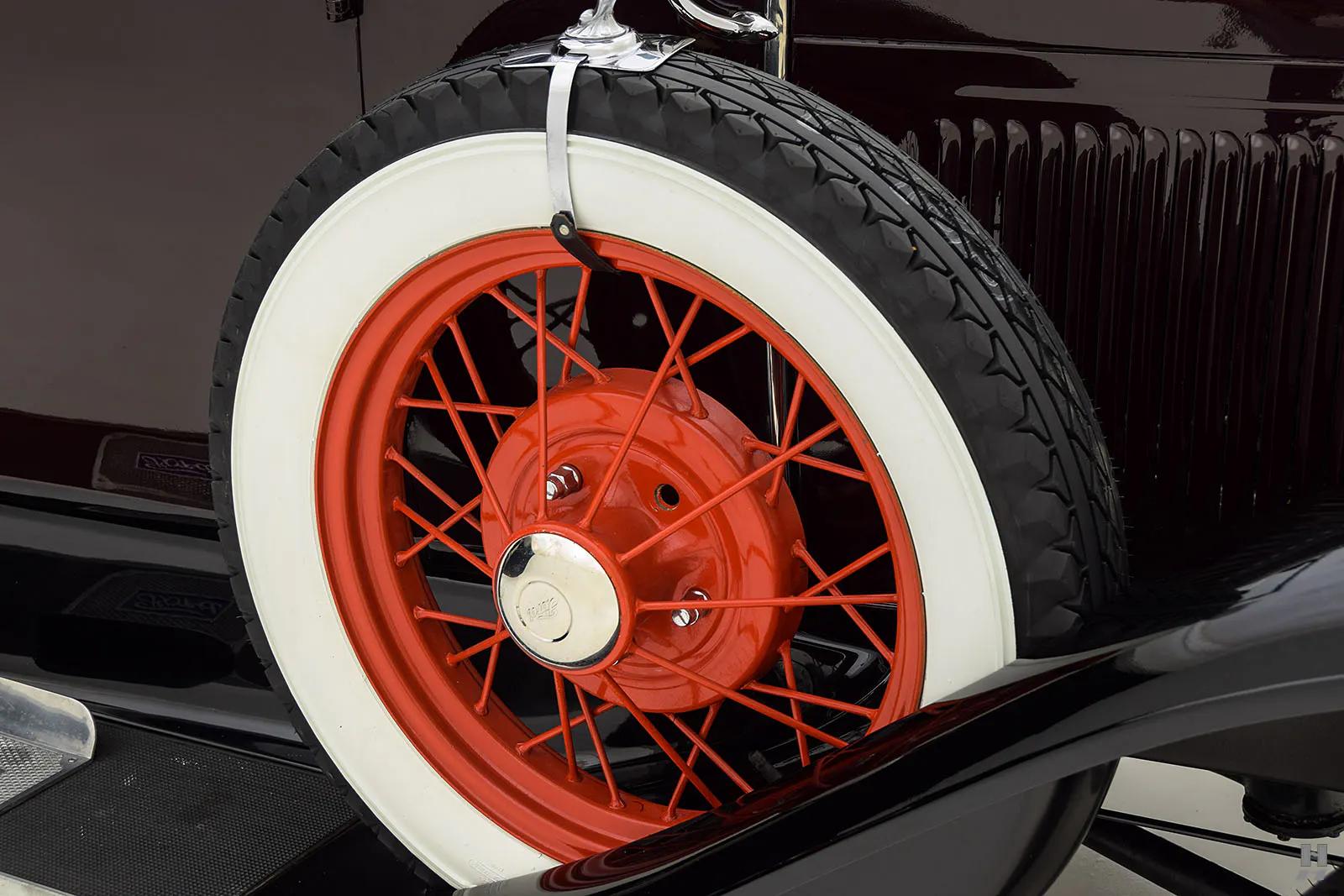
1931 Ford Model A Deluxe 2dr Roadster Courtesy of Hyman Ltd.
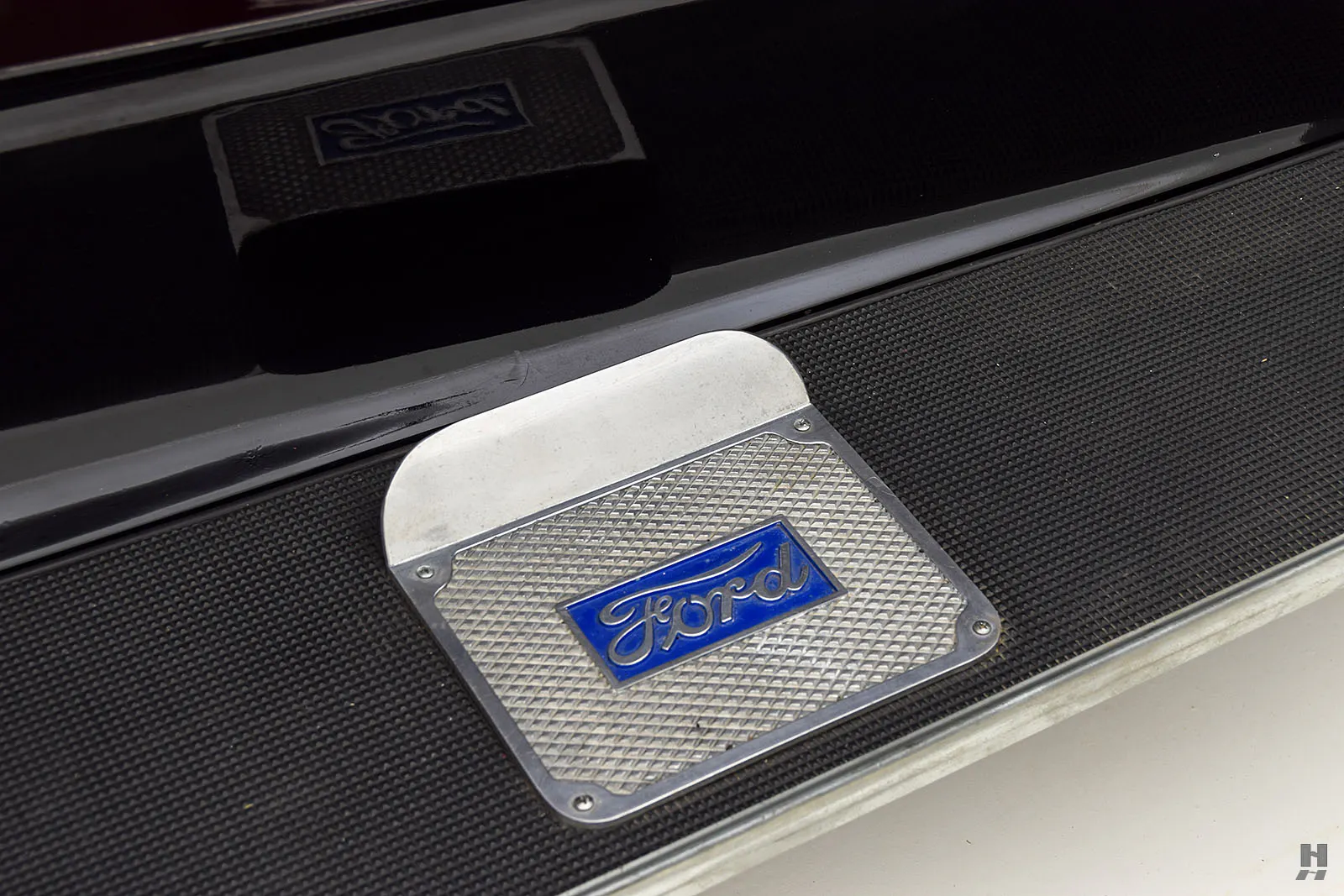
1931 Ford Model A Deluxe 2dr Roadster Courtesy of Hyman Ltd.
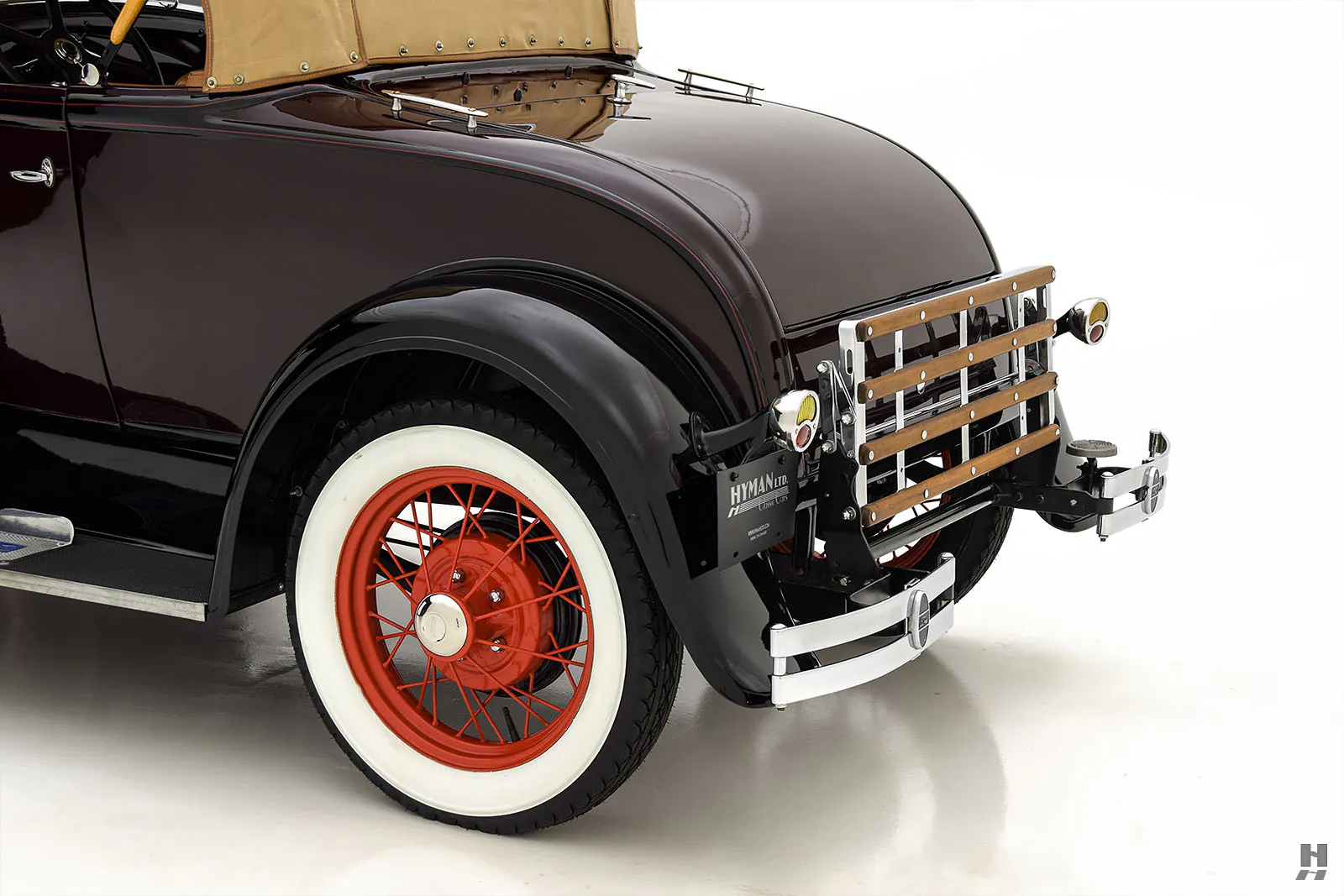
1931 Ford Model A Deluxe 2dr Roadster Courtesy of Hyman Ltd.
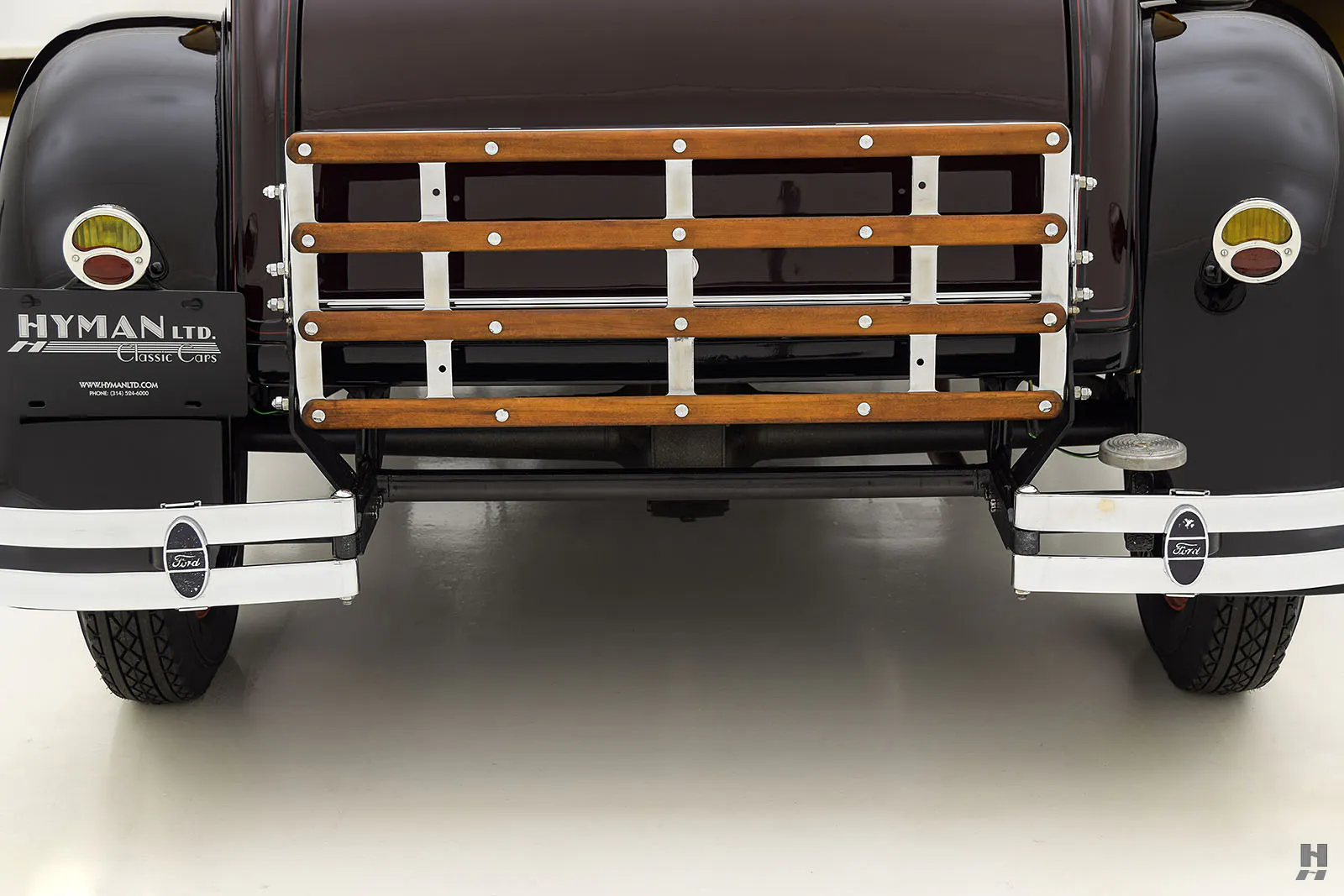
1931 Ford Model A Deluxe 2dr Roadster Courtesy of Hyman Ltd.
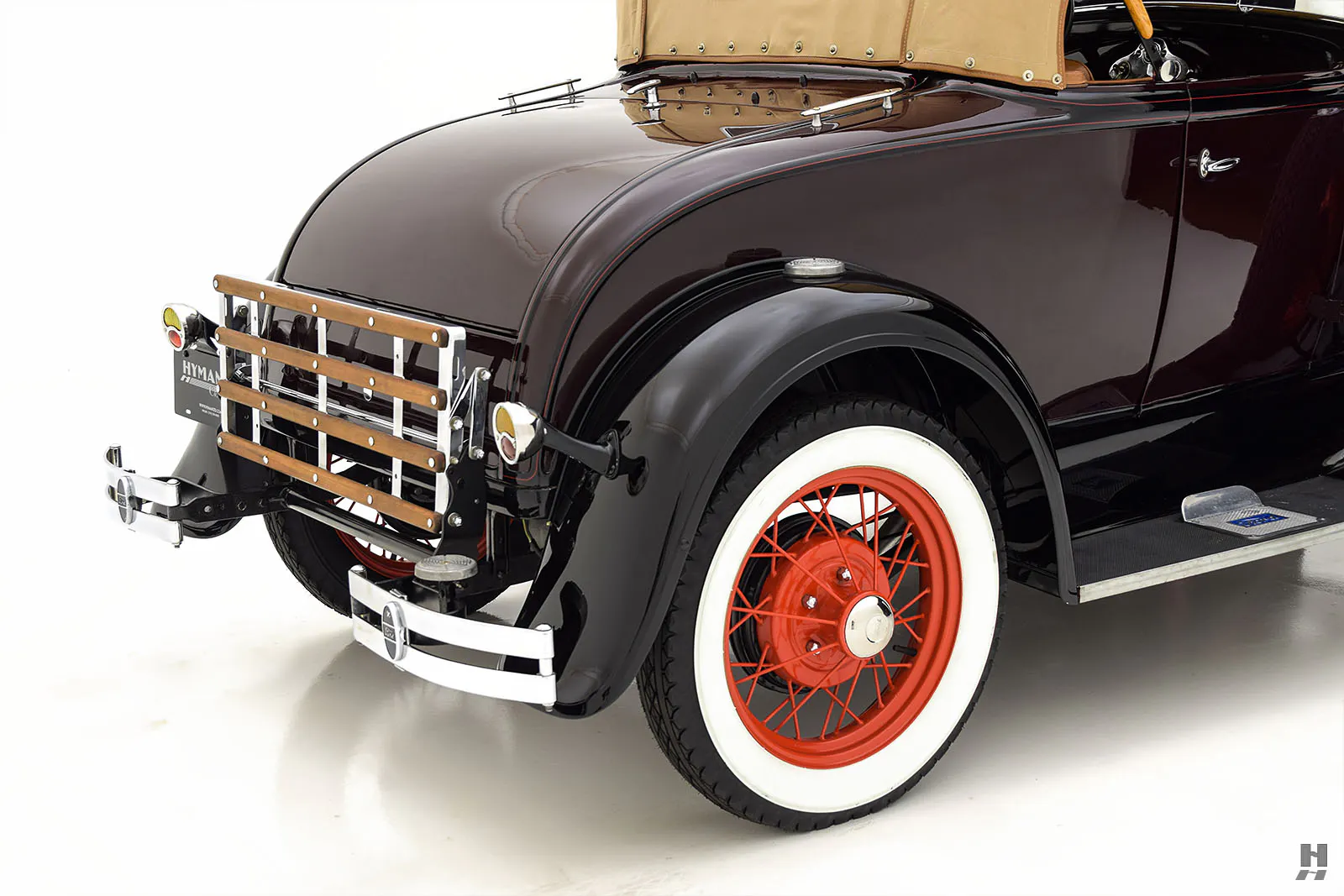
1931 Ford Model A Deluxe 2dr Roadster Courtesy of Hyman Ltd.
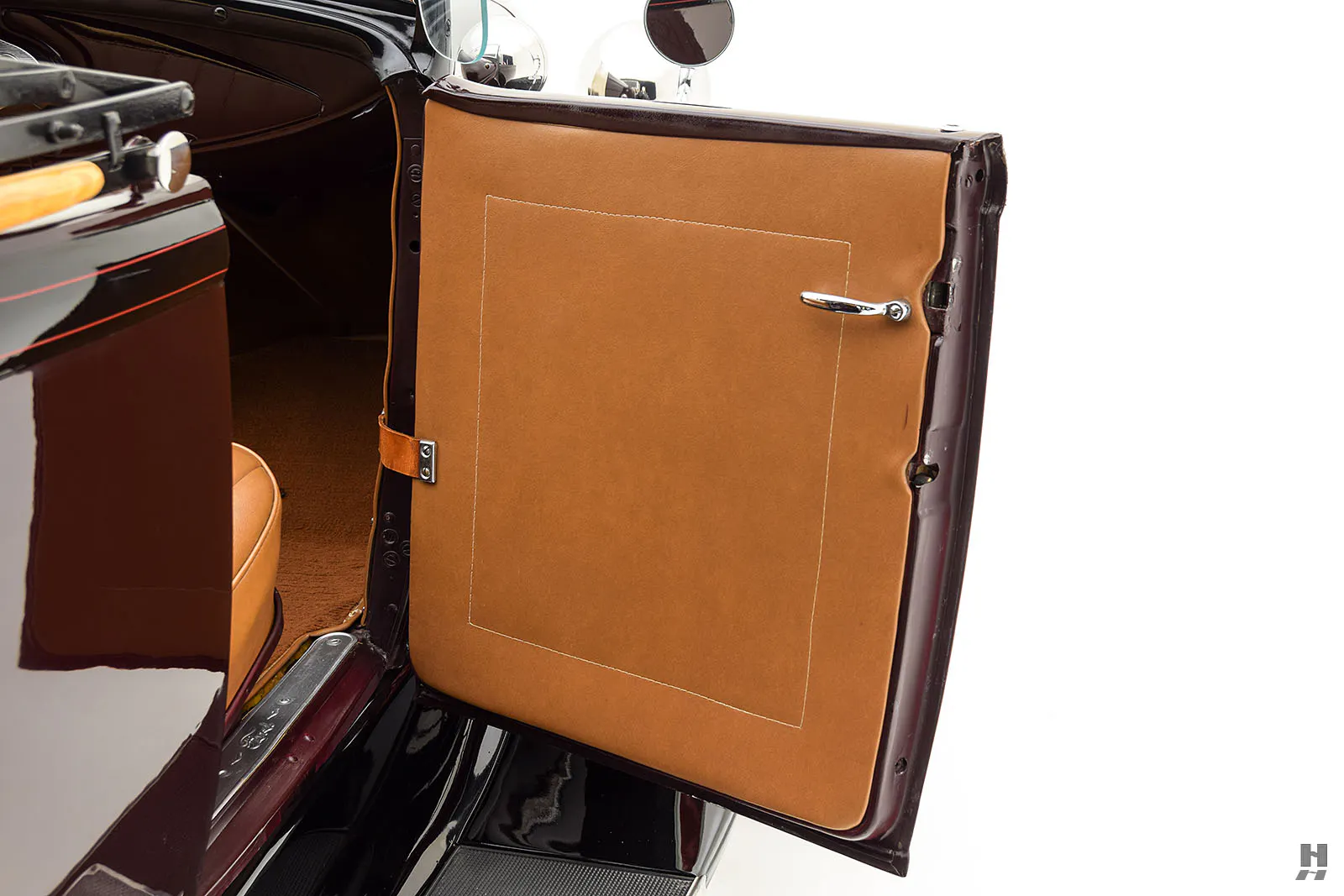
1931 Ford Model A Deluxe 2dr Roadster Courtesy of Hyman Ltd.
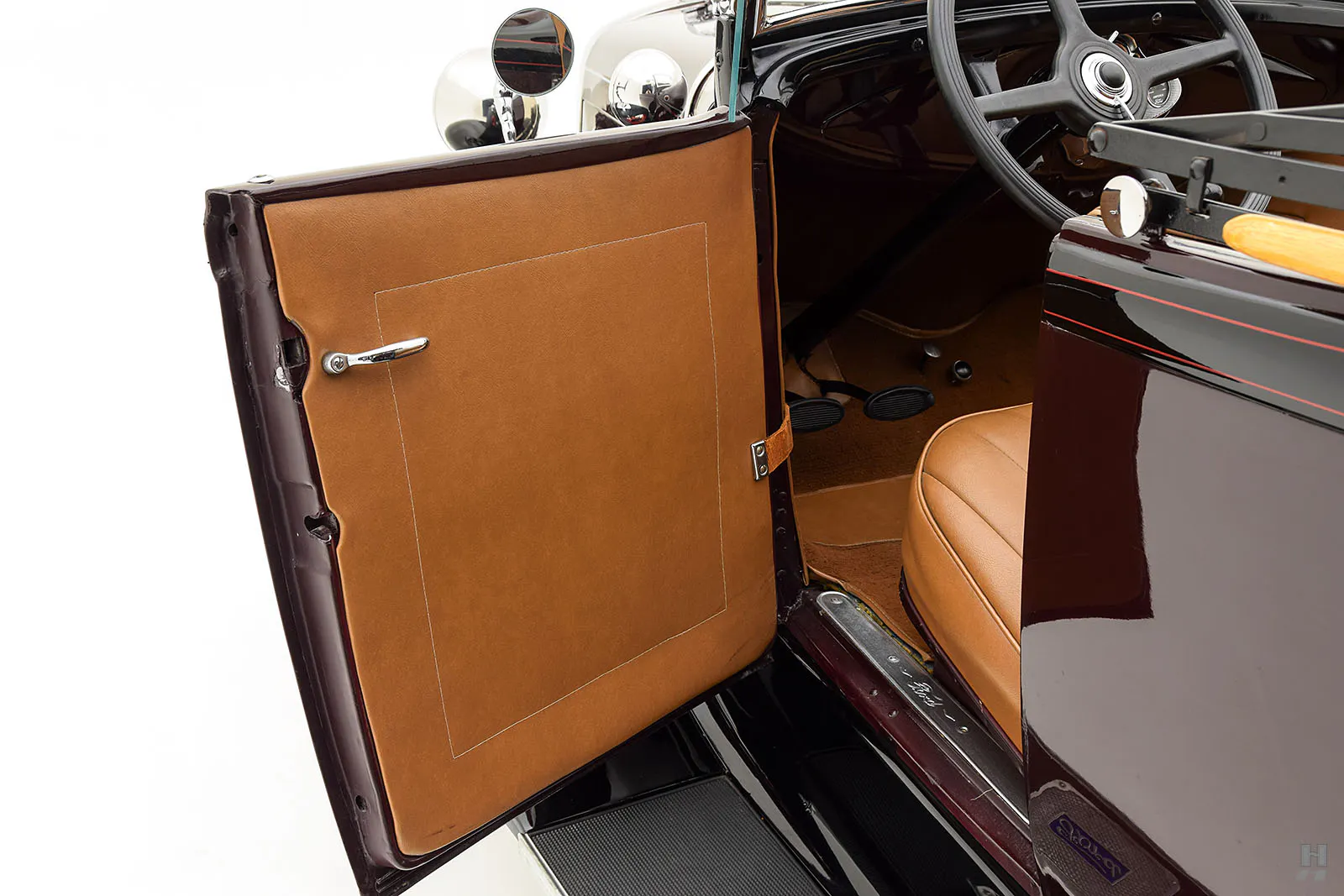
1931 Ford Model A Deluxe 2dr Roadster Courtesy of Hyman Ltd.
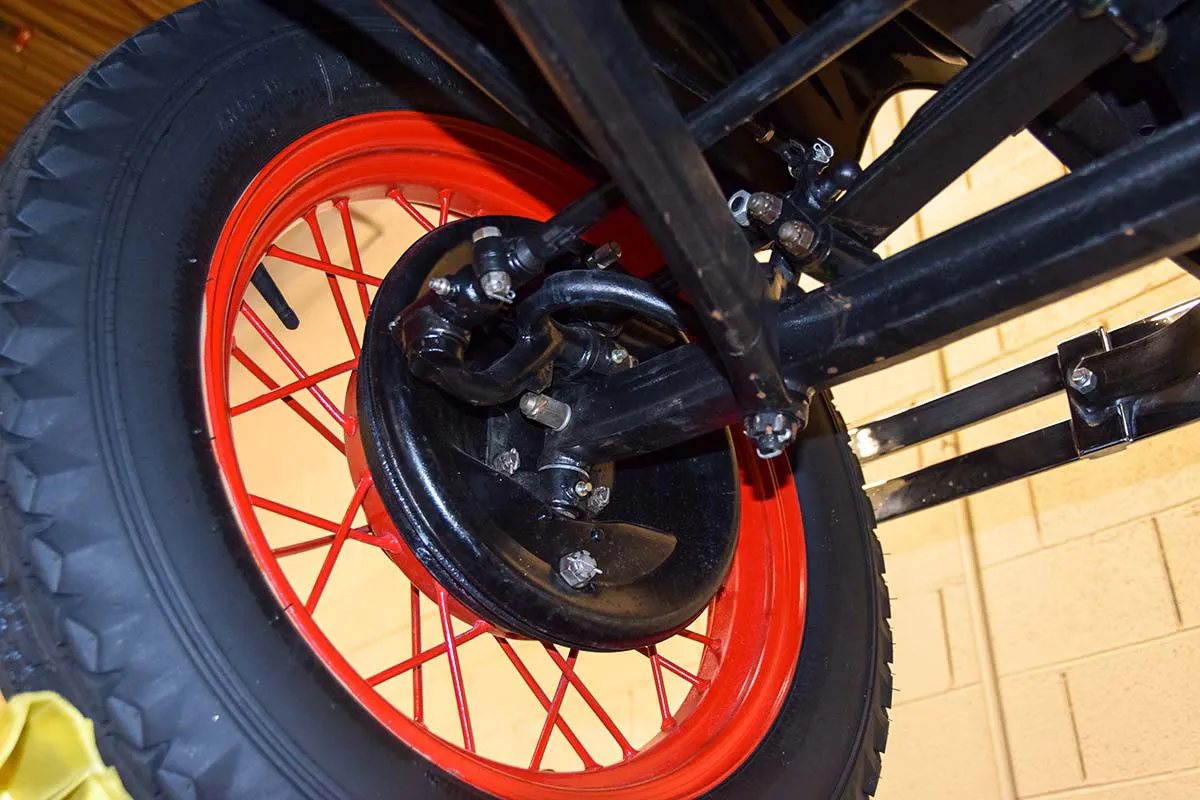
1931 Ford Model A Deluxe 2dr Roadster Courtesy of Hyman Ltd.
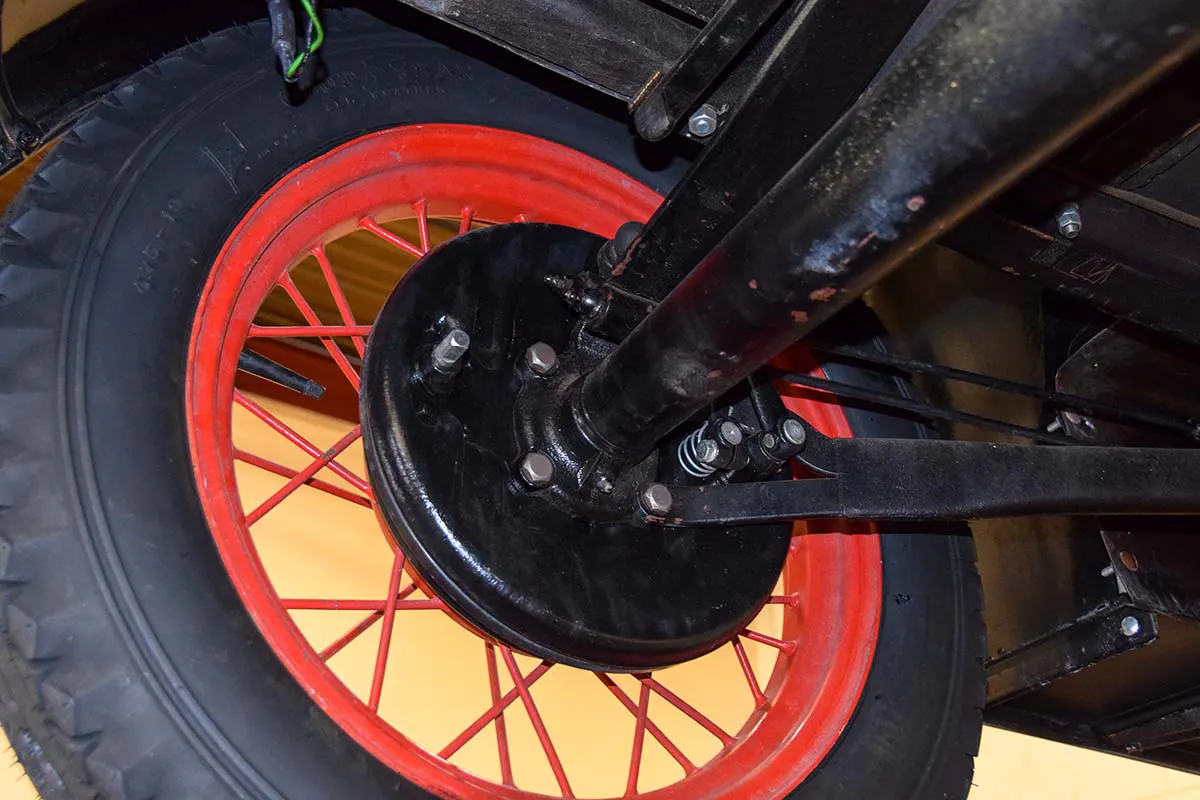
1931 Ford Model A Deluxe 2dr Roadster Courtesy of Hyman Ltd.
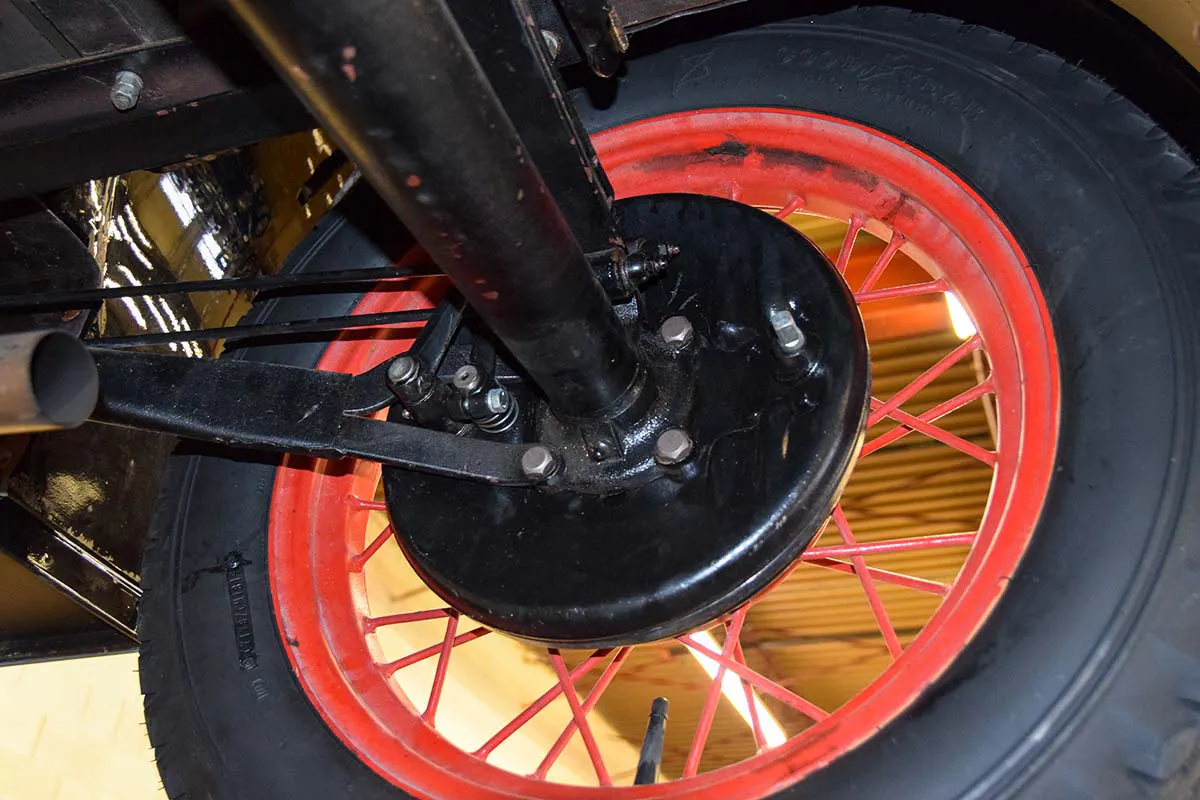
1931 Ford Model A Deluxe 2dr Roadster Courtesy of Hyman Ltd.
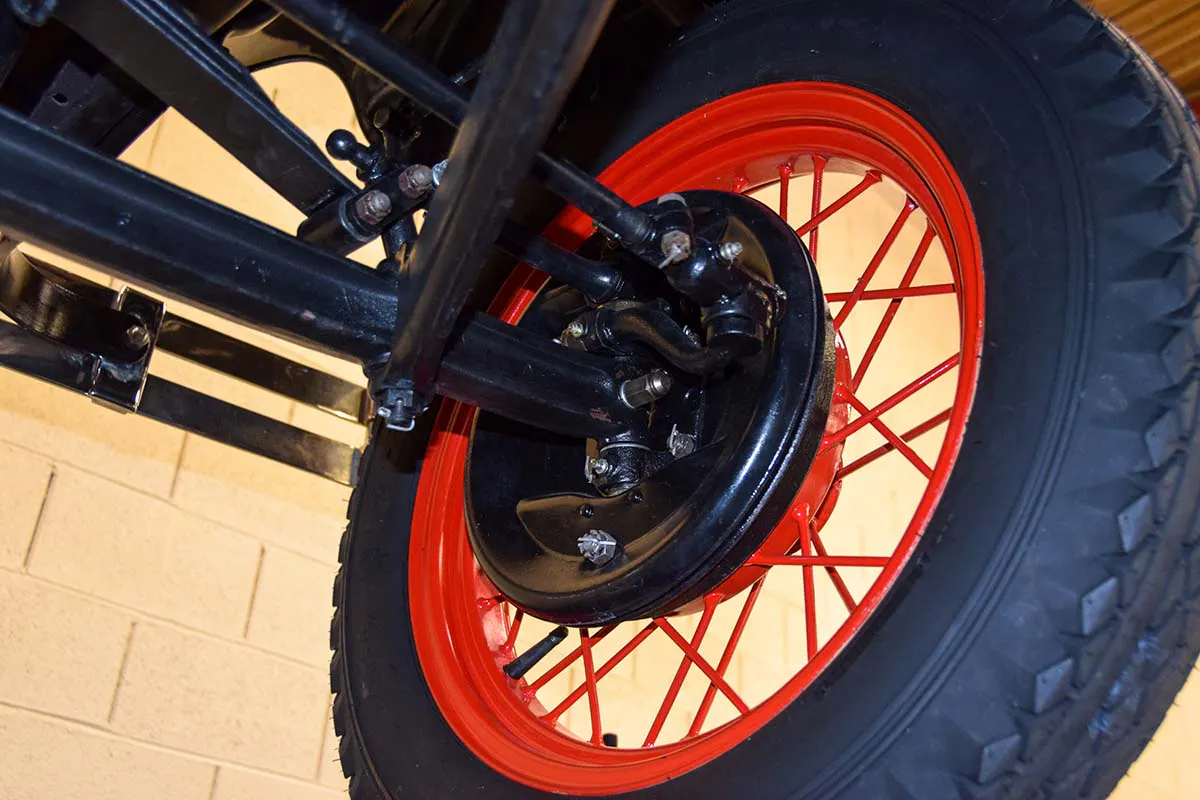
1931 Ford Model A Deluxe 2dr Roadster Courtesy of Hyman Ltd.
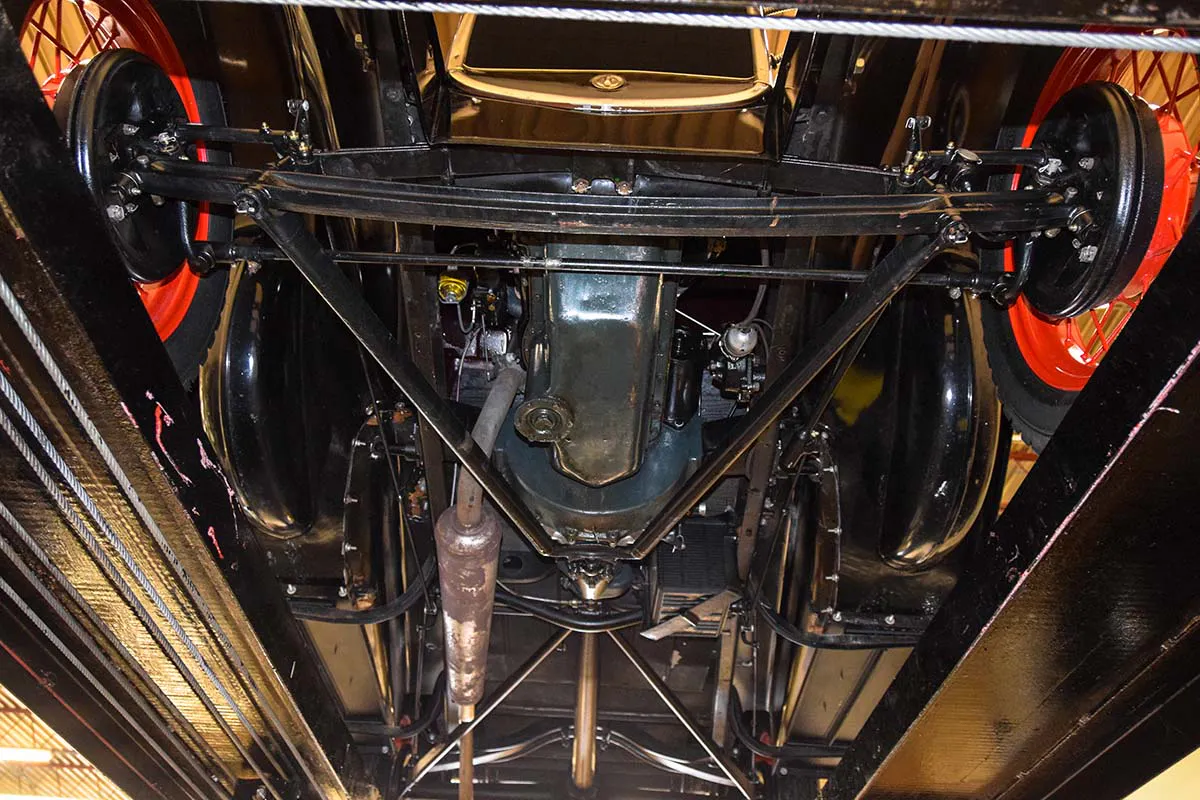
1931 Ford Model A Deluxe 2dr Roadster Courtesy of Hyman Ltd.
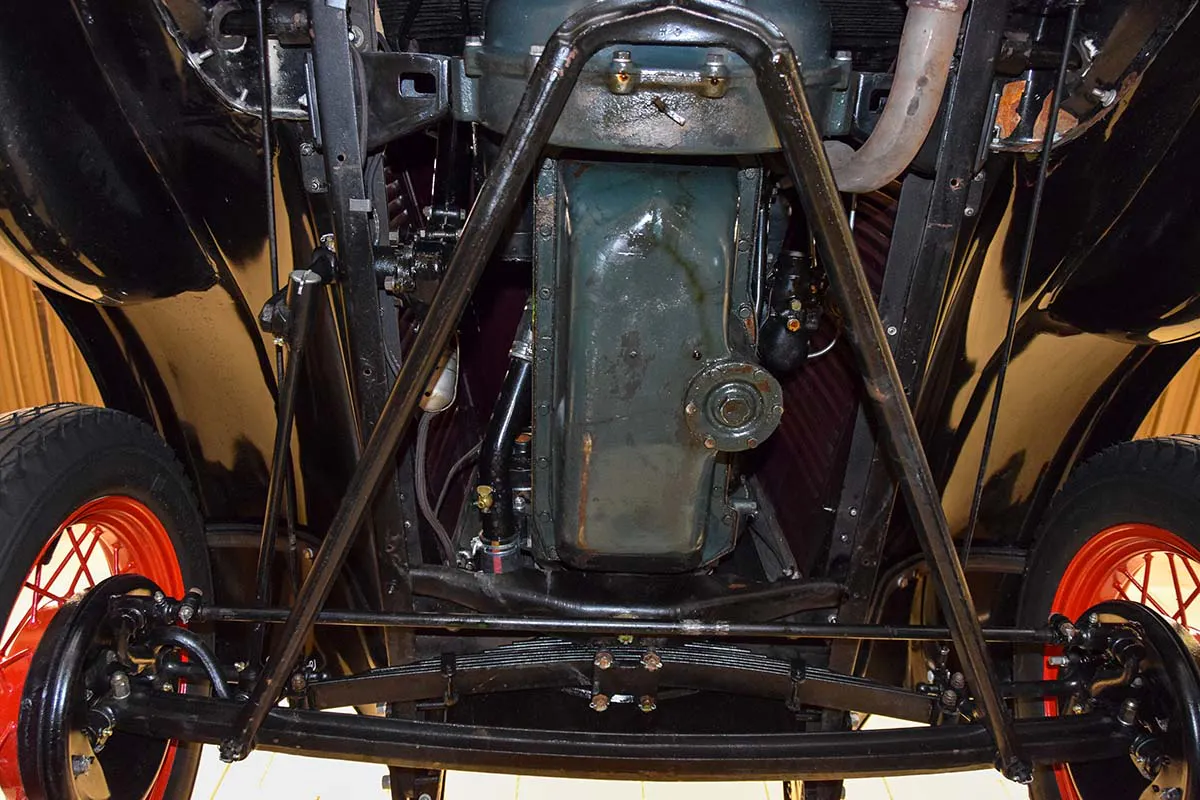
1931 Ford Model A Deluxe 2dr Roadster Courtesy of Hyman Ltd.
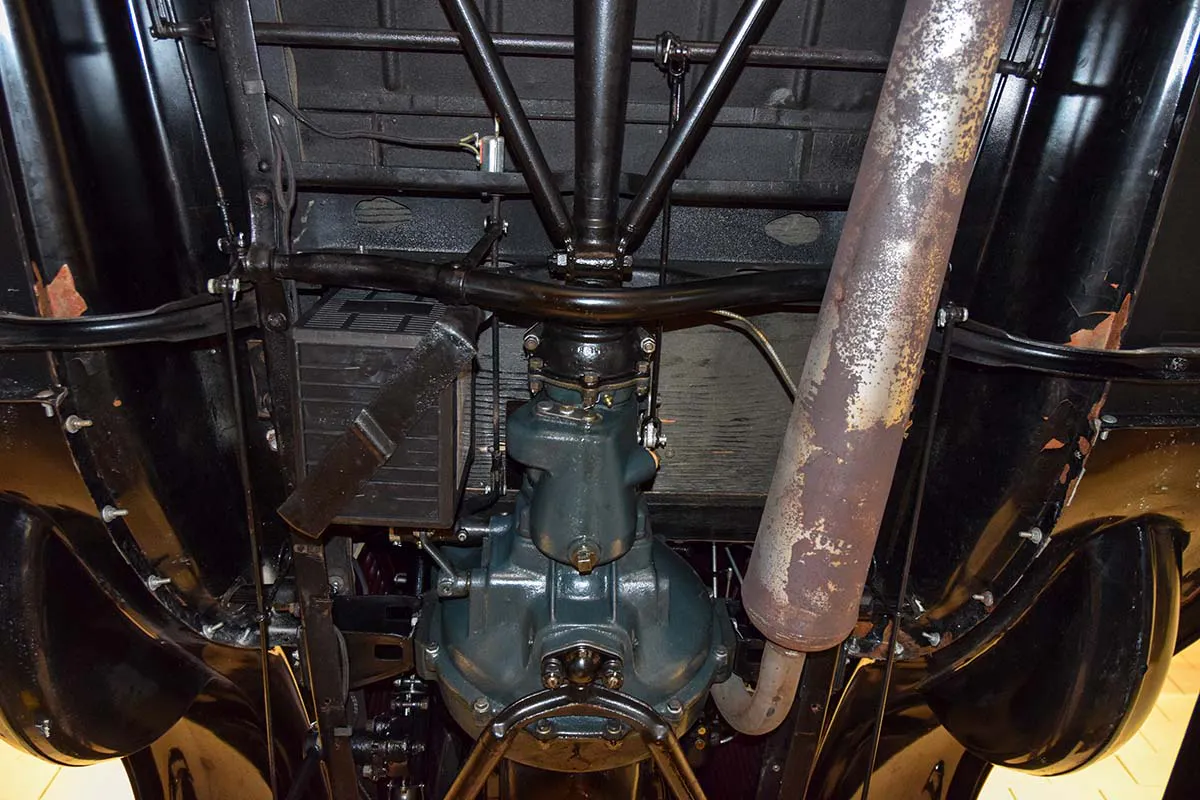
1931 Ford Model A Deluxe 2dr Roadster Courtesy of Hyman Ltd.
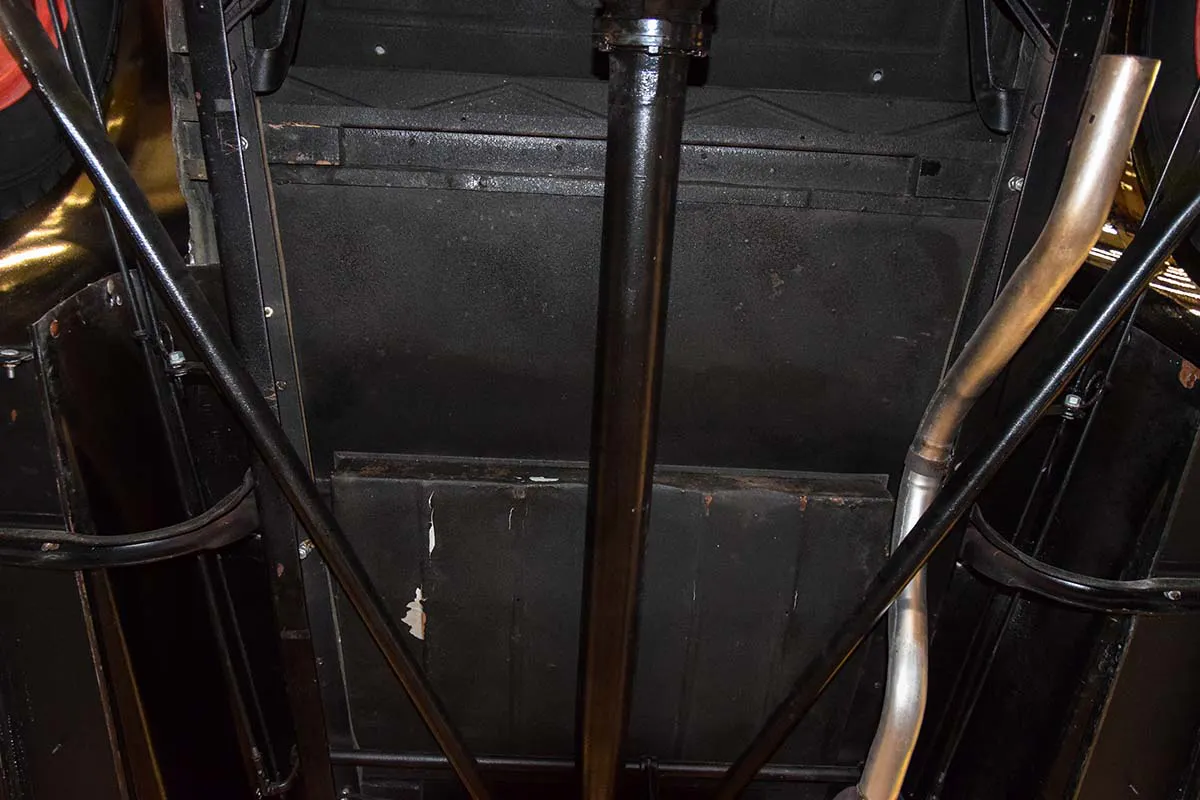
1931 Ford Model A Deluxe 2dr Roadster Courtesy of Hyman Ltd.
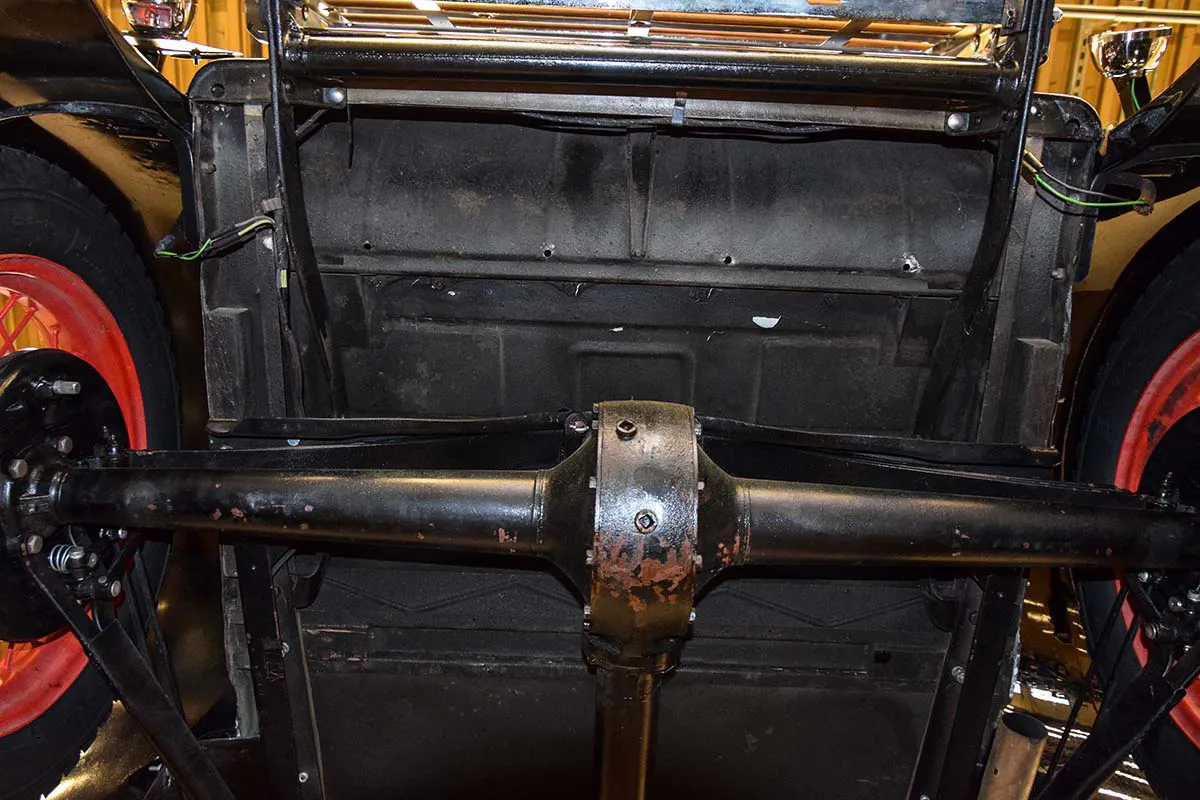
1931 Ford Model A Deluxe 2dr Roadster Courtesy of Hyman Ltd.
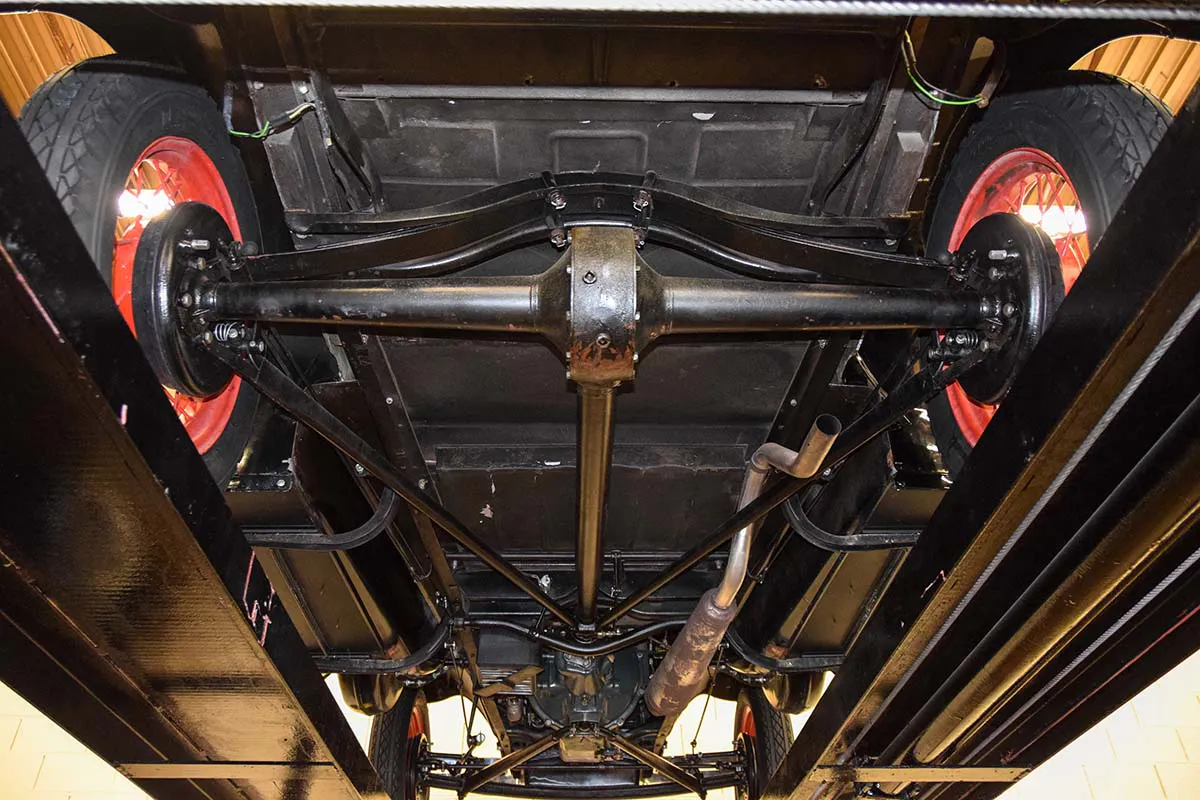
1931 Ford Model A Deluxe 2dr Roadster Courtesy of Hyman Ltd.
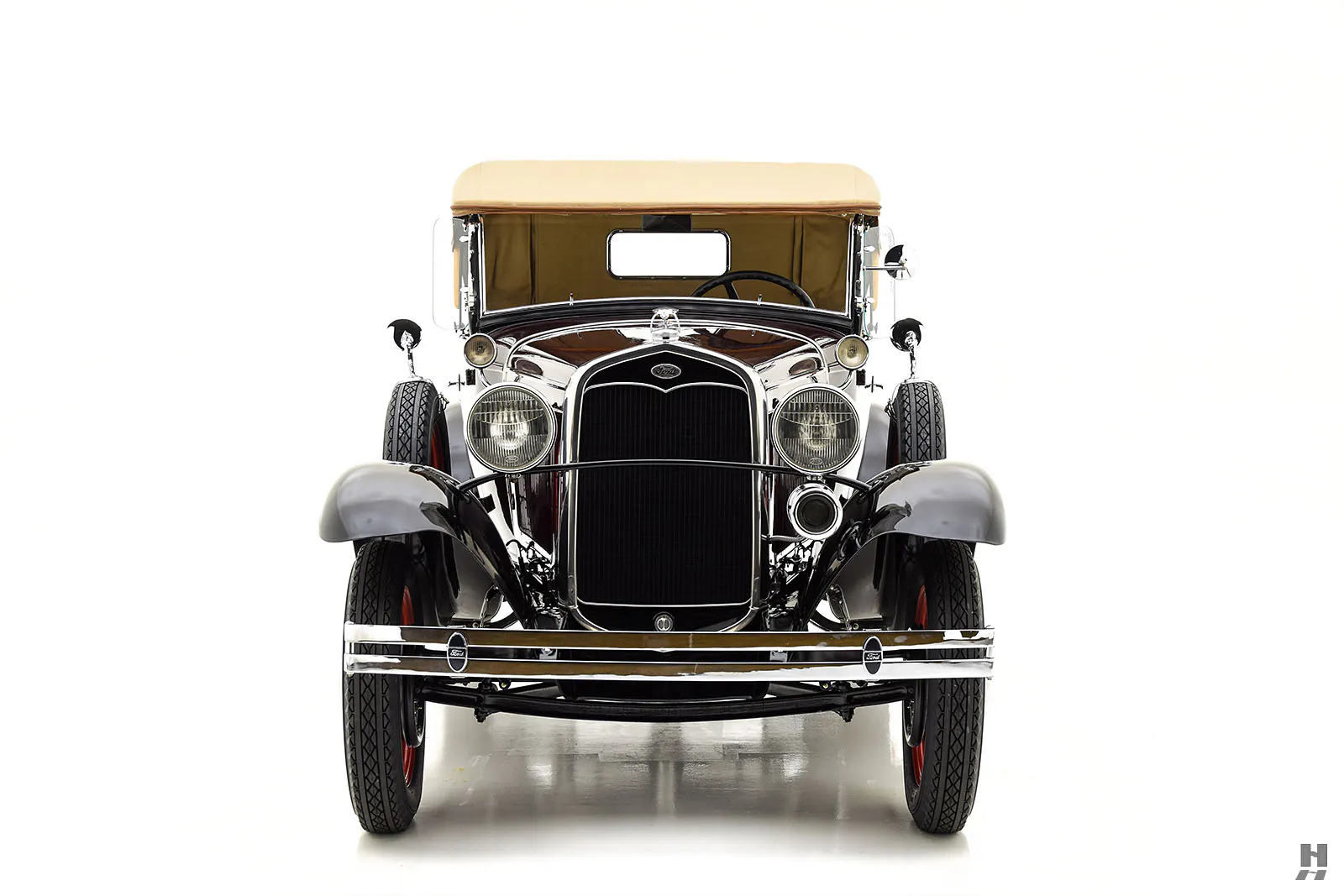
1931 Ford Model A Deluxe 2dr Roadster Courtesy of Hyman Ltd.
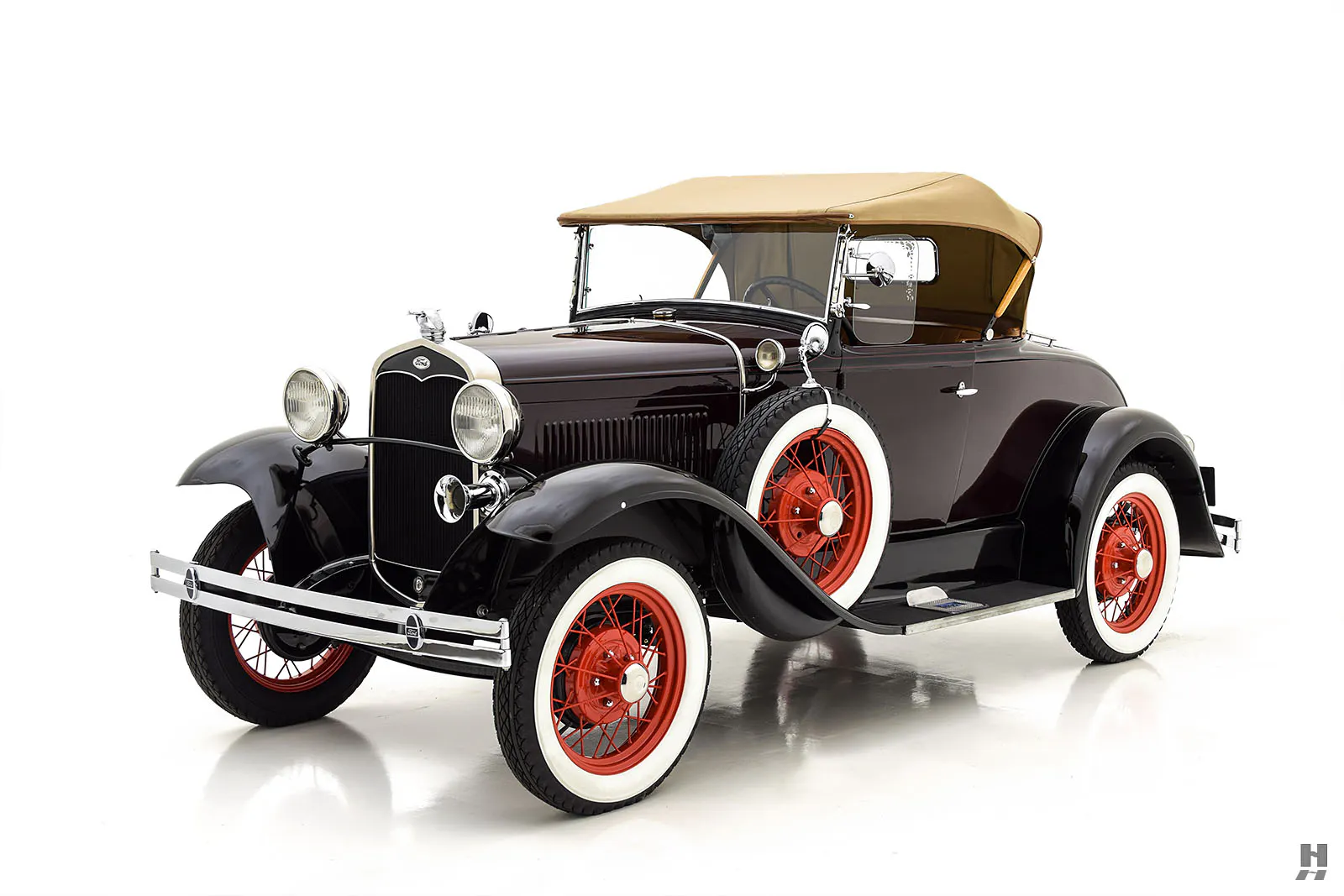
1931 Ford Model A Deluxe 2dr Roadster Courtesy of Hyman Ltd.
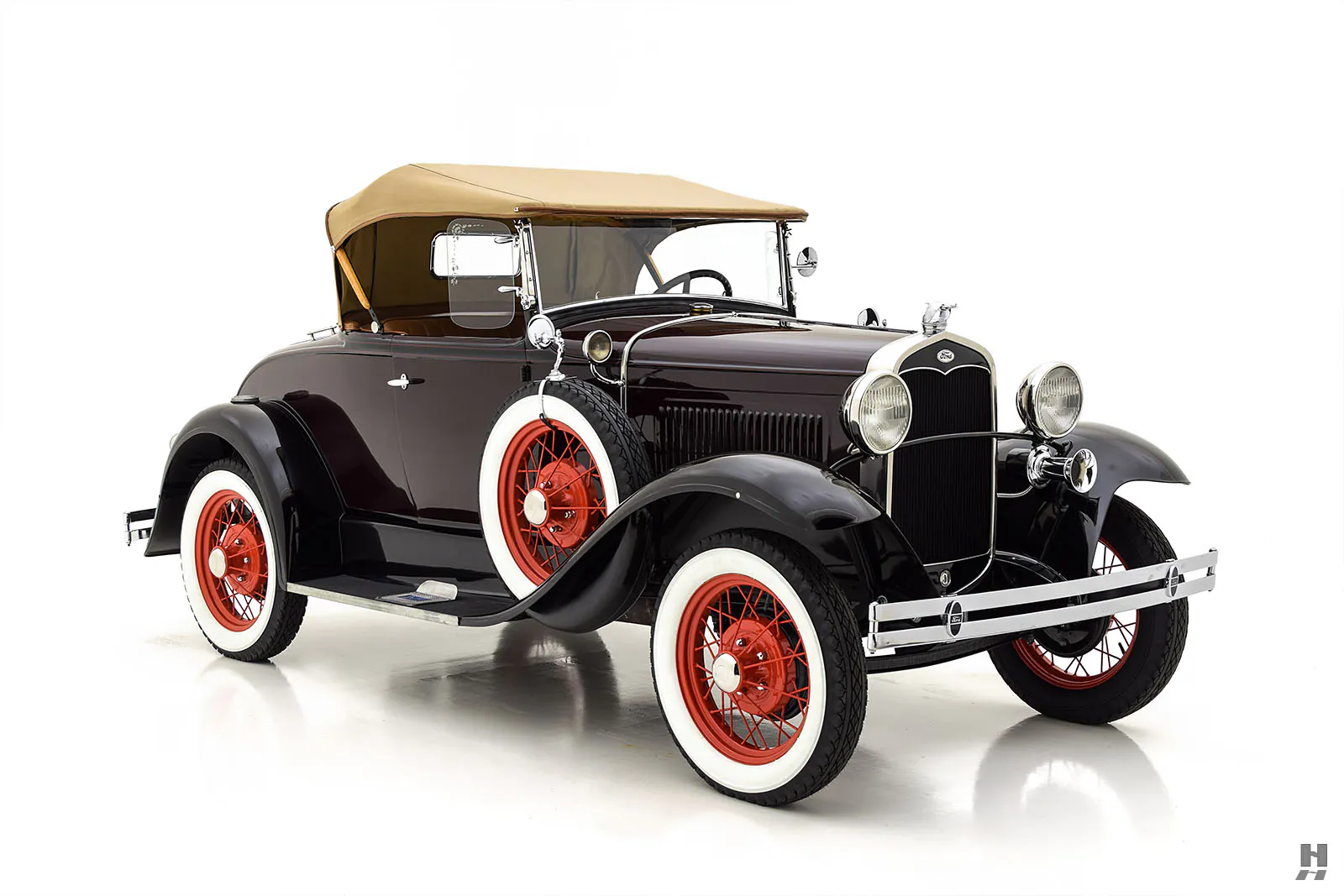
1931 Ford Model A Deluxe 2dr Roadster Courtesy of Hyman Ltd.
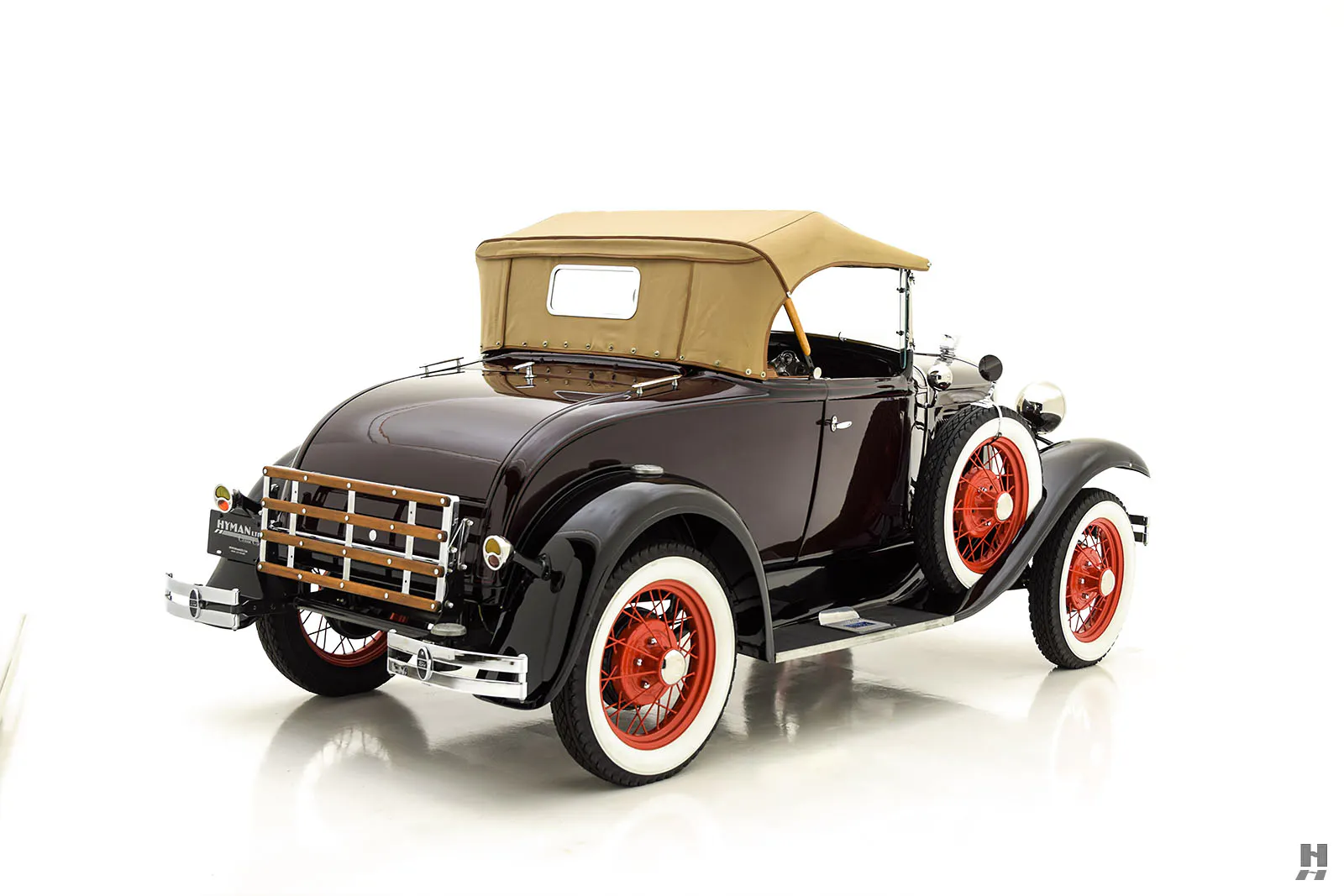
1931 Ford Model A Deluxe 2dr Roadster Courtesy of Hyman Ltd.
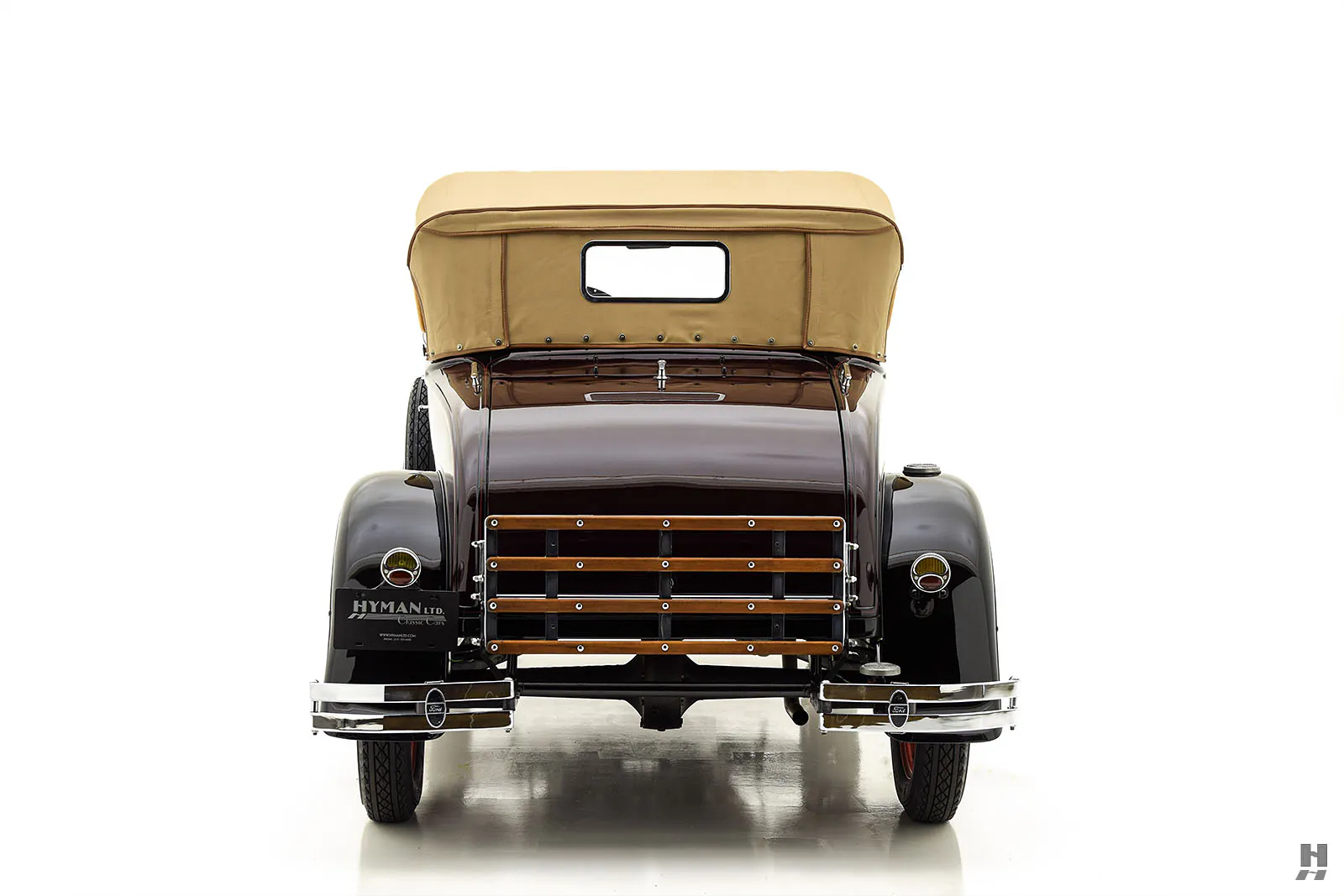
1931 Ford Model A Deluxe 2dr Roadster Courtesy of Hyman Ltd.

1931 Ford Model A Deluxe 2dr Roadster Courtesy of Hyman Ltd.

Model overview
Model description
The Ford Model A, built from 1928 to 1931, represents a critical step forward from early automobiles to more modern machines. The car was a direct successor to the best-selling Model T, designed for a changing audience that now expected more comfort, style, and ease of use from their cars. By the late 1920s, buyers were no longer satisfied with purely functional transportation—they wanted refinement and choice. Ford responded with the Model A, a car that retained affordability but introduced more conventional controls, improved performance, and a broader range of body styles. It marked Ford’s reentry into a competitive market after falling behind rivals like Chevrolet, and it quickly restored the company’s position as a leading automaker.
Technically, the Model A was a major advancement from the Model T. It featured a front-engine, rear-wheel-drive layout powered by a 3.3-liter inline four-cylinder engine producing around 40 horsepower, effectively doubling the output of its predecessor. This allowed for a top speed of approximately 65 mph, making it far more capable on improving road networks. Unlike the Model T’s planetary transmission, the Model A used a conventional three-speed manual gearbox with a floor-mounted shifter, a layout that would become standard across the industry. It also introduced a water pump for engine cooling, a more advanced fuel system, and mechanical drum brakes on all four wheels, improving safety and drivability.
The Model A also brought meaningful changes in design and usability. It sat lower than the Model T, with a more modern stance and improved weight distribution. The interior was more refined, with better materials and a more intuitive dashboard layout. Drivers benefited from familiar controls—clutch, brake, and accelerator pedals arranged in the pattern still used today—making the car easier to learn and operate. Styling varied widely across the lineup, reflecting a growing emphasis on personal taste and market segmentation.
Over its relatively short production run, Ford offered the Model A in an impressive range of configurations. Buyers could choose from roadsters, coupes, sedans, phaetons, cabriolets, and trucks, with different trim levels and features. This flexibility allowed the Model A to serve as both a personal vehicle and a commercial workhorse. Unlike the later years of the Model T, the Model A was available in multiple colors and finishes, signaling Ford’s shift toward greater customer choice and visual appeal.
While the Model A did not evolve dramatically year to year, Ford made continuous refinements to improve reliability and manufacturing efficiency. The company applied lessons learned from the Model T’s assembly line while adapting to new expectations for quality and variation. Production was strong from the outset, with millions of units sold between 1928 and 1931, demonstrating pent-up demand for a more modern Ford.
Ultimately, the Model A bridged the gap between the utilitarian simplicity of the Model T and the more sophisticated automobiles of the 1930s. It brought Ford back into alignment with industry trends, introduced features that drivers now take for granted, and proved that affordability did not have to come at the expense of usability or style. For enthusiasts, the Model A offers a clear view of how quickly the automobile evolved in just a few years—and how Ford adapted to meet a more demanding and discerning market.
Find more values
Search for prices of other cars, trucks, vans and motorcycles