Tips and Tricks for Listing Your Classic Car for Sale Online

Selling a classic car online isn't like listing an everyday commuter vehicle. Buyers are passionate, informed, and dissecting every detail of your listing. Get it right and you'll attract competitive bids from collectors across the country. Refer to this guide as we break down everything you need, from the first wash to the final bid.
1. Detail Like a Buyer Is Coming Tomorrow
- First impressions live in your photos. Before you shoot a single image your car needs to look its absolute best.
- Full exterior detail: Hand-wash, clay bar, polish, and wax. Dress rubber trim and tires. Clean all glass inside and out.
- Engine bay: Degrease and detail thoroughly, a clean engine signals a well-maintained car.
- Full interior detail: Deep clean carpets. Condition leather or vinyl. Clean every gauge and trim panel.
- Trunk and undercarriage: Often photographed, especially on rust-free or restored cars. Make sure you get all angles.
- Fix small cosmetic issues: A cracked taillight or torn weatherstripping costs little to fix but can cost hundreds in perceived value.
- Fluid check: Top off or change fluids and fix leaks before photos.
2. Classic Car Photography: What Serious Buyers Expect
- Your photos are your listing. Buyers are often purchasing sight-unseen from hundreds of miles away and your images are their only inspection.
- Aim to shoot on an overcast day. Diffused natural light eliminates harsh shadows and renders colors accurately. Avoid direct midday sun.
- Choose a clean background. Empty lots, country roads, or industrial backdrops keep the focus on the car. Pro tip: wet asphalt creates attractive reflections.
- Shoot 50-100 photos minimum. Cover front and rear three-quarter views, both profiles, all four wheels, engine bay, full interior, dashboard, odometer, trunk, and undercarriage. It may seem like overkill, but too few pictures can signal buyers that there are undocumented issues with the car.
- Photograph every flaw. Include close-ups of dents, chips, or wear and use a coin or ruler for scale. Transparency builds trust and reduces post-sale disputes.
- Don't skip the details: Badges, emblems, VIN plate, door jambs, headliner, and shifter. Enthusiasts notice what's missing.
- Consider using a local photographer for professional photos. The investment frequently returns multiples in final sale price.

3. Use Video to Show What Photos Can't
- A walk-around video has become an expected part of any competitive collector car listing. Sound, movement, and mechanical behavior can't be faked.
- Walk a slow 360°: Keep the camera at hood height and move deliberately. Let the viewer feel the car's proportions and condition.
- Open everything: Every door, the hood, and the trunk; slowly.
- Interior pan: Sweep across the dashboard, gauges, shifter, console, and upholstery. Turn accessories on and off.
- Film the cold start: Capture startup, idle, and a brief rev. For cars with a noteworthy exhaust, be sure to let them hear it.
- Keep it simple: No narration or music needed, the car is the star. Aim for 3–6 minutes total.
4. Write Copy From Your Enthusiast POV
- The best collector car listings read like an honest account from someone who truly knows the vehicle. Avoid superlatives, let the facts do the work.
- Open with the essentials: Year, make, model, trim, color, mileage, and the single most compelling selling point in one or two sentences.
- Tell the ownership story: How many owners? Where was it kept? Any notable history? One-family and dry-state provenance commands premiums.
- Be specific about mechanical condition: List recent service, known issues, and work done pre-listing. Cover engine, transmission, brakes, suspension, and cooling.
- Describe body, paint, and interior honestly: Original paint or repaint? Any rust history? Upholstery original or replaced? Buyers want to know.
- List every modification: Even minor ones. Originality-focused buyers need the full picture.
- Avoid hype phrases: "Super clean," "rare find," and "must see" come off as unauthentic and salesy.
- Disclose known issues: Buyers who discover undisclosed problems on delivery can reverse transactions and leave damaging reviews. Transparency protects you.

5. Research Your Car's Market Value Before You Price It
- Overpricing stalls listings. Underpricing in an auction format leaves money on the table. Always anchor your research to sold prices (not asking prices).
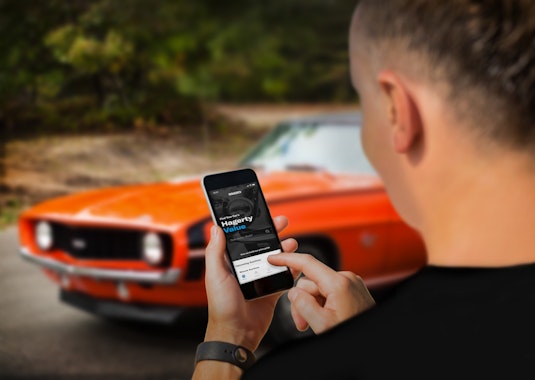
- Hagerty Valuation Tools: includes car price guide values and real-world vehicle sales results on more than 40,000 different collector cars, trucks, SUVs and motorcycles.
- Know what moves the number: Numbers-matching drivetrains, original paint, dry-state history, desirable color/option combos, and complete documentation all add meaningful value.
- Reserve vs. no reserve: No-reserve auctions generate more bidding activity on average but carry risk if your audience doesn't show up that week. Set a realistic reserve if the car has significant value and you need a floor.
6. Documentation Is a Hidden Value Multiplier
- Collector car buyers pay a real premium for documented vehicles. A complete paper trail transforms a nice car into a verifiable asset.
- Clean title: Ensure it's in your name and lien-free. Disclose any title issues immediately as buyers can't purchase a car without understanding its legal status.
- Service records: Organize all invoices and receipts chronologically. A car with decades of maintenance history is significantly more valuable than an identical undocumented one.
- Build sheet: For American muscle cars, a matching build sheet confirming factory options is a meaningful premium.
- Restoration documentation: Receipts for bodywork, paint, and mechanical rebuilds tell buyers exactly what was done, when, and by whom.
- Historical photographs: Old snapshots of the car add provenance and charm that are hard to quantify but real in their effect on buyers.
- Photograph it all together: Fan your title, service booklet, manuals, and key receipts out for one organized group shot. This single image communicates completeness at a glance.
7. What To Expect Once Live
- Once your vehicle is live be sure to keep an eye on activity. Buyer confidence and final bids are directly affected by your responsiveness.
- Engage the comment section daily: Experienced buyers ask specific technical questions and expect knowledgeable answers. We recommend turning on notifications for email or at least check in every morning and evening so as not to fall behind.
- "Buy the seller, not the car": Your expertise and transparency in the comments is a direct input to the final price. Answer every question promptly and honestly. Keep emotions and opinions offline.
- Time your listing strategically: Auctions ending Tuesday through Thursday evenings tend to see higher engagement than Friday afternoons or weekend mornings.
- Understand the bid extension rule: Some platforms extend the auction by two minutes any time a late bid lands in the final window. This prevents sniping and consistently pushes final prices higher.
- Have your paperwork ready: When your auction ends, the transaction moves quickly. Know your platform's payment process and be ready to coordinate transport or pickup promptly.
The key to a successful online car sale is transparency, proactiveness and clear communication. Still feeling overwhelmed? Contact Hagerty Marketplace today for more information and peace of mind when listing your classic car or check out our How-to video for more tips!
How Tos
How To Know Classic Car Values Before Buying or Selling
Read more from Hagerty to learn the steps to accurately determine the value of your classic car before you consider selling.