What to Do After a Car Accident or Vehicle Damage
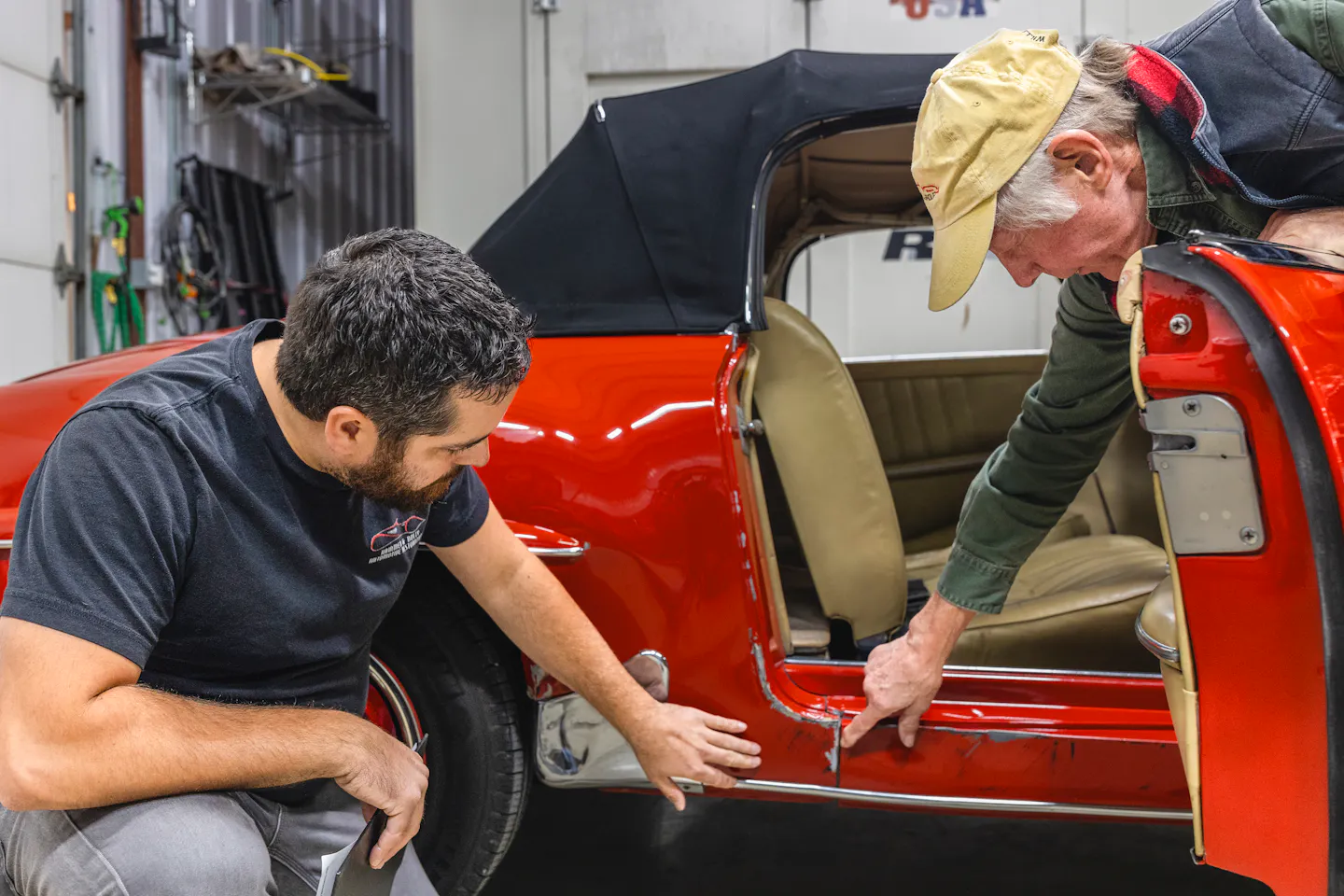
Whether you’re driving your daily commuter, a weekend ride, or a cherished classic, the last thing on your mind is an accident, hail damage, or dealing with insurance paperwork. But here’s the truth: knowing what to do before something happens makes all the difference when it does.
We’ve put together everything you need to know; step by step; so you can handle a claim with confidence and get back on the road faster.
Step 1: Handle Safety First
Before anything else, make sure everyone is okay.
• Check yourself and your passengers for injuries.
• If anyone is hurt or if cars are blocking traffic, call 911 right away.
• If it’s safe, move vehicles out of the way so other drivers can pass and assessments can occur safely.
Step 2: Get the Facts on Paper
. While everything is fresh, grab your phone and document the scene.
• Snap photos of all the damage from different angles (close-ups, wide shots), everything.
• If another vehicle was involved, get the other driver’s name, phone, address, license number, and insurance details. Get the same from any witnesses.
• Photograph skid marks, debris, street signs, and road conditions. Note the weather and time of day.
• Jot down what happened in your own words while it’s clear in your mind.
Step 3: Contact Your Insurance Company
Call your insurer as soon as you can, ideally within 24 hours. Even if the damage looks minimal, report it anyway. Filing early protects you if something pops up later. Have your policy number ready and give them a simple, factual description of what happened.
Same goes if your car was hit by something that wasn’t another car. Hail, a falling tree branch, vandalism, theft- same playbook. Document and report quickly.
If your vehicle was towed after the accident, make sure you authorize the release of your car with the tow yard. Without that release, your insurance company won't be able to move it to begin the inspection process- which can delay your claim.
Step 4: Keep Everything Organized
Create a folder (digital or physical) with all your paperwork. Photos, police reports, repair quotes, emails from your insurance company, medical records if there were injuries, receipts, etc. You may need this trail to prove what happened and what you spent. It speeds things up and protects you if there is any confusion down the road.
The Bottom Line
Getting into an accident or discovering damage to your car can be overwhelming. But if you stay calm, document everything, and let your insurer know right away, the process is manageable. If you have questions or get stuck, lean on your insurance provider.