Is My Car Totaled? Total Loss & Repairs Explained
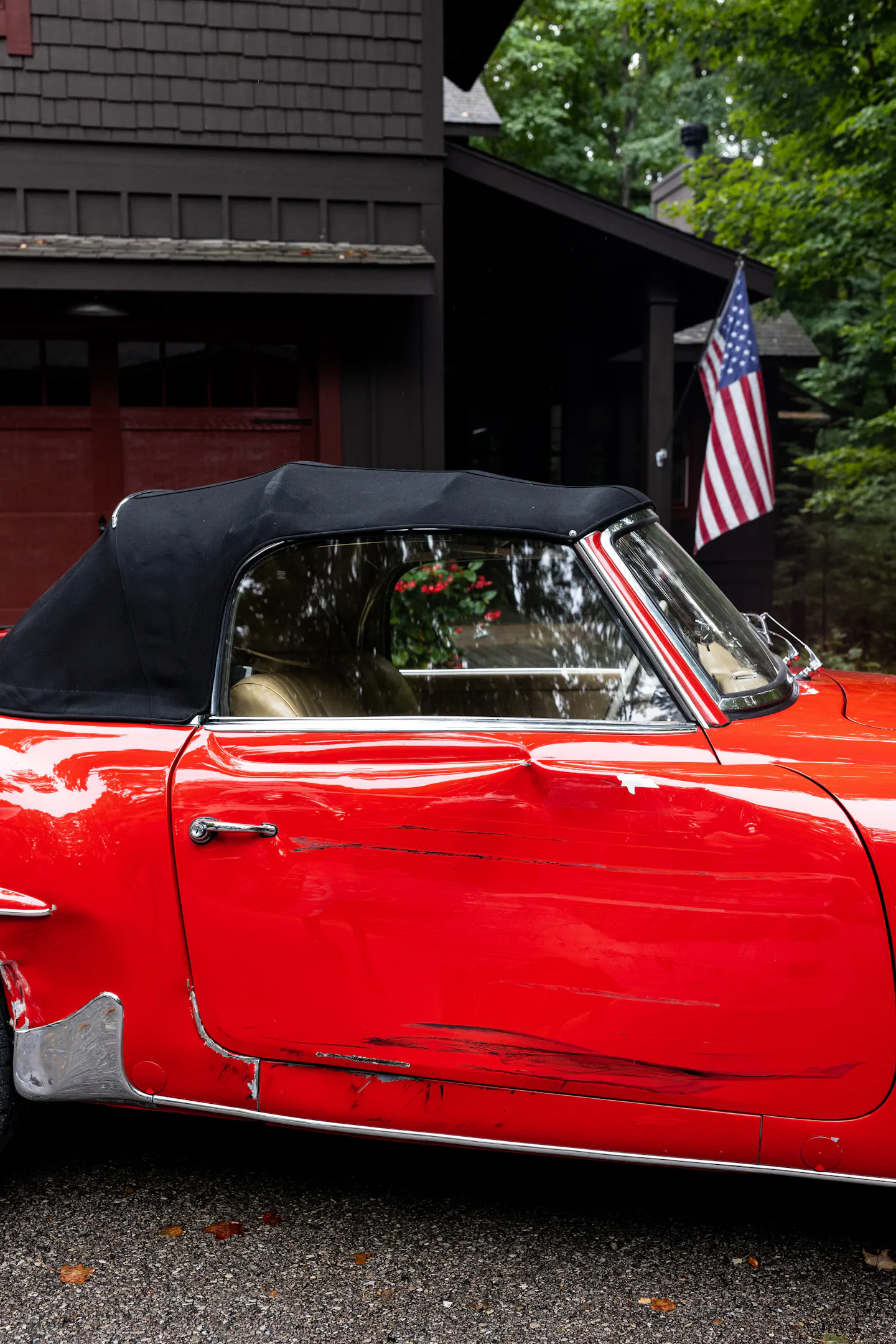
Is My Car a Total Loss?
This is the question everyone asks first. Here's how it works:
Insurance companies declare a car "totaled" when repairs cost more than what the car is worth. The exact threshold varies by state and insurer, but it's typically around 70-80% of the vehicle's actual cash value (ACV).
In simple terms:
• Repair costs exceed the car's value? It's likely totaled.
• Repair costs are less than what it's worth? You'll get it fixed.
For specialty or collector vehicles, valuation works differently. If you have an "agreed value" policy, you've already locked in the car's value; which keeps disputes out of the picture.
When an adjuster looks at your vehicle, they're noting all the visible damage — but they're also thinking about what additional damage might show up once repairs actually begin (called a supplement). That alone can push a car toward total loss territory.
Sometimes it really just comes down to the numbers. The adjuster adds up what it would cost to fix the car, factors in any likely supplements, and then compares that to the car's salvage value — what it's worth in its damaged state. If repairing it costs more than totaling it out and selling the salvage, the insurer will typically call it an economic total loss. It's not always about how bad the car looks — it's about whether fixing it makes financial sense.
Know Your Vehicle's Value - Before You File
A lot of drivers don't check their coverage until after they need it. Don't be that person. We recommend assessing your classic cars value yearly. The collector car market can have significant swings and you always want to make sure your vehicle is valued properly. Here's what matters:
• Actual Cash Value (ACV): What your car is actually worth in today's market, minus depreciation.
• Guaranteed Value (also known as Agreed Value): You and your insurer agree on a price upfront. No haggling later.
• Stated Value: You declare the value, but depreciation might still apply at claim time.
Your policy limits matter too. If your coverage limit is too low, you won't get enough to fully repair or replace the car. That shortfall is on you.
Before you’re faced with an accident, do this:
• Review your deductible.
• Confirm what type of valuation you have.
• Make sure your vehicle's value in your policy matches what it's actually worth now.
This is especially important if you own a classic or collector car.
The Repair Shop Found More Damage
This happens all the time. Once repairs start, the repairer may uncover hidden damage.
Here's the process:
1. The shop finds the extra damage and submits a supplemental estimate to your insurer.
2. Your adjuster reviews it and decides if it's covered.
3. If approved, your insurer sends a supplemental payment.
You're not responsible for out-of-pocket costs for covered damage - just your deductible.
Can You Pick Your Own Repair Shop?
Yes. In most states, you have the legal right to choose where you get your car fixed. Your insurer can't force you to use their preferred shops.
Will Your Rates Go Up After a Claim?
It depends. Not every claim hits your rates equally. Here's what influences it:
• Whether you were at fault or the other person was.
• What type of claim (collision vs. comprehensive - hail, theft, vandalism).
• Your driving history.
• Your insurer's underwriting rules.
• Claim frequency.
General rule of thumb:
• At-fault collision? Rates usually go up.
• Hail, theft, or vandalism? Usually less impact.
• Some insurers offer accident forgiveness programs.
Ask your insurer directly. They can tell you exactly how a claim would affect your specific premium.
How Long Does the Claims Process Take?
Every claim is different, but here's a realistic timeline:
• File a claim: Same day or within 24 hours.
• Vehicle inspection: 1-5 business days.
• Estimate approved: Within a few days of inspection.
• Repairs completed: 1-3 weeks (longer if parts are hard to find).
• Total loss settlement: Usually 1-3 weeks after valuation is finalized.
What can slow things down:
• Parts shortages or backorders.
• High claim volume after a big storm.
• Complicated liability investigations.
• Total loss paperwork.
Stay in touch with your adjuster. Clear communication speeds things up.
What You Need to File a Claim
Have these ready and the process is smoother:
• Your policy number.
• Date, time, and location of the incident.
• Description of what happened.
• Other driver's contact and insurance info (if applicable).
• Photos of damage.
• Police report number (if you filed one).
The more documentation you provide upfront, the fewer follow-up calls you'll get.
Is There a Deadline to File a Claim?
Yes. Your policy has a timeframe for reporting claims, and your state has a statute of limitations for suing over an accident.
Don't wait. Even if the damage looks minor, report it right away. Waiting too long could complicate your coverage or settlement.
Bottom Line
Nobody plans to file an insurance claim. But knowing the process before you need it puts you in control.
Know your coverage. Review your vehicle's value. Understand your deductible. Ask questions now, before something happens. When the unexpected does occur - accident, hailstorm, or hidden repair damage - you'll be ready to move forward confidently and get back on the road faster.
