How To Sell Your Classic Car at Auction
The time has come. You’re ready to hand the keys of your classic car to a new owner, and you would prefer to find that person through a reputable classic and collector car auction expert. Maybe you’ve watched the Mecum or Barrett-Jackson auctions take place on TV over the years or you’re an avid visitor to Cars & Bids, Bring a Trailer, Hagerty Marketplace or Broad Arrow’s online auctions.
Here are the things to be aware of before bringing your classic car to the auction block. Don’t let the hammer fall without knowing the following:
Know Your Value
Classic car owners have more options than ever when selling their car, including both digital and live auctions. Before researching the consignment fee structures, benefits and audiences of each auction, you should begin with knowing the value of your car.
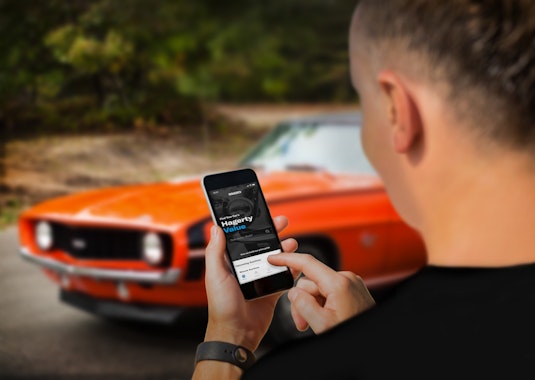
It’s time to figure out what kind of dollar figure to put on it. Researching what other cars like yours have sold for at other auctions is a great place to start, and resources like the Hagerty Valuation Tools and Market Trends can also tell you which way prices might be heading for your kind of car.
Once you have a current market value for your make, model and year, it’s time to figure out what your reserve price might be. A reserve price is the minimum amount of money you’ll accept for a winning bid - reserves prices are a safety net to prevent giving a car away, but need to be set carefully so as to prevent both potential buyer and seller frustration that results from a no-sale.
Make it Perfect
Time to put in some work. Those repairs you’ve been putting off? Do them all - when you’re selling a car at auction, buyers will look for every small ding and dent to take value off your car. That expensive detailing package? Get it. A sparkling, perfectly clean car inside and out will draw more eyes - and dollars - than one that hasn’t been tended to. We also recommend finding an appraiser who can give it a second look and show you things you might not have seen (but that a buyer will).
Perfection also includes paperwork. Now’s the time to go through the glove compartment and the filing cabinets to make sure that all your repairs and maintenance records are up to date. You don’t want a prospective buyer to go through your calendar of repairs and devalue your vehicle for an overdue service.
Choose Your Auction
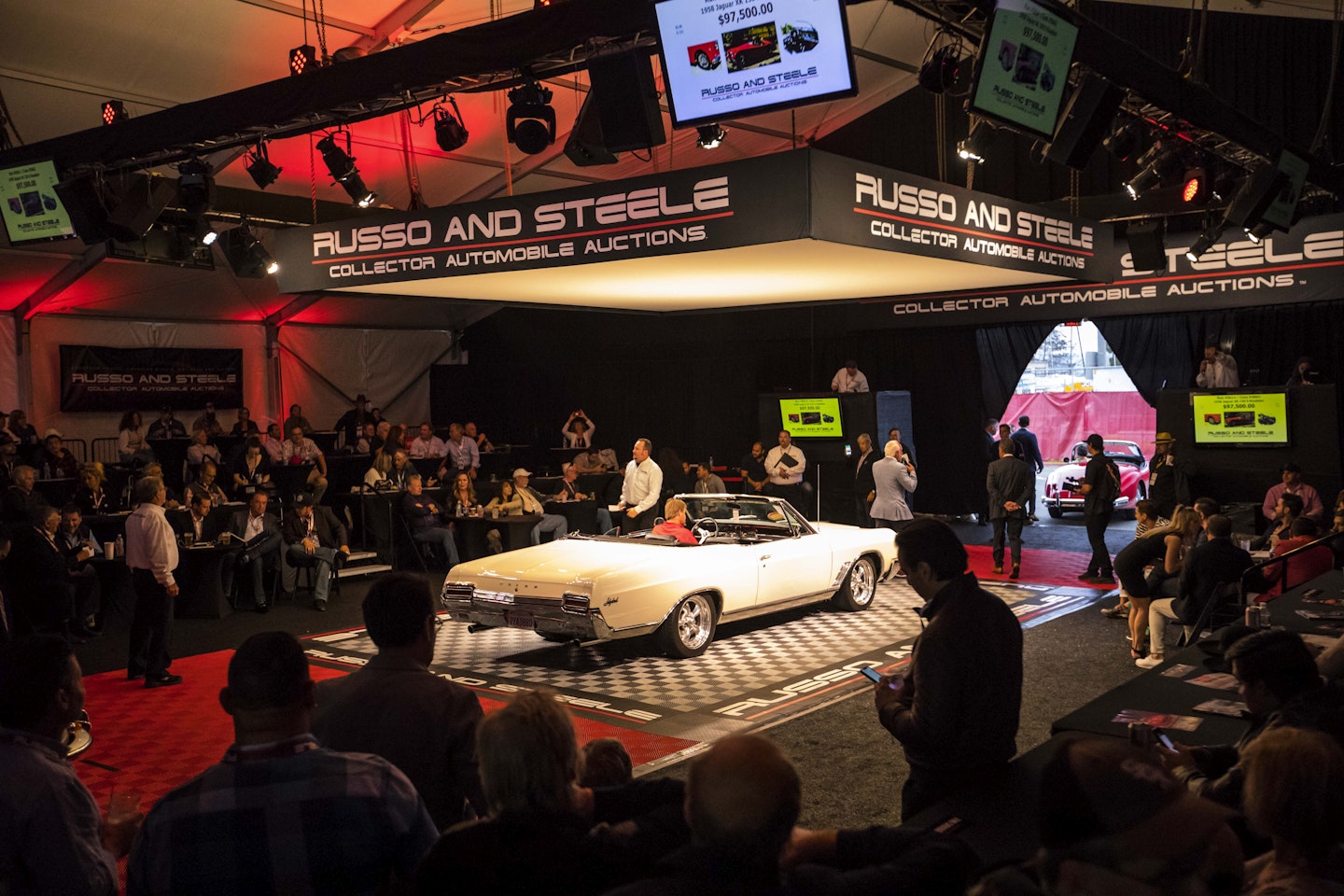
Once your car is ready, which auction to sell at might be the most important decision you make. Live auctions, especially the televised ones, offer the kind of marketing and promotion that money can buy. These are usually reserved for the best and most desirable cars, so that not only do they get the best show, but also the best commissions for the highest-priced vehicles. They also have high qualified buyers; ones who know their stuff and have been vetted by the auction house to make sure the sale goes through.
Online collector and classic car auctions offer several advantages over live auctions including a wider reach, convenience, flexibility while also being highly cost effective in the long run. As covered by our own Rob Siegel here, any auction site offers five substantial benefits.
First: Auction sites provide the structure for a starting price and, if you want, a reserve price. Bids are publicly visible as they come in.
Second: The auction process almost always produces a buyer. If you can’t sell a car by auction, it’s either because you set a reserve that wasn’t met, or because your winning bidder and every other bidder after that flaked and disappeared. (Rare, but it happens.) If you want to get the car out of your driveway and money into your bank account, that virtually guaranteed sale is a huge advantage.
Third: There is usually some sort of protection service in place—to assure the seller that the buyer will pay, and that the car will be as represented. This can be anything from structured insurance or assurance services, offered by the auction house, to your ability to leave feedback ratings after a transaction.
Fourth: You don’t need to deal with the potential torrent of insulting, sight-unseen offers that accompany selling a car yourself.
Lastly, online auctions are an inherently remote process. Yes, anyone who happens to be local can still contact you and ask to inspect the car. But those folks are usually a tiny trickle compared to the potential throngs beating down your door if you only advertise locally.
Write it Up
No detail is too small to be excluded, and no photograph too unimportant to be left out. In fact, for an auction buyer, an extreme level of detail is desired - the buyer wants to feel like this car has been agonized over down to the last stitch in the backseat. Take quality photos or hire a professional photographer and have them get every single shot they can, including beneath the hood, in the trunk and even beneath the car if possible.
Make sure your writeup includes factory-specific names including interior parts and paint colors. Detail every single option and the vehicle’s ownership history as far back as you can find it. This is the time to tell the life story of your car.
Be On Hand
You’re the seller here - so you do need to sell this vehicle. If choosing a live auction, auction-goers are going to have questions about the vehicle, and your answers can make the difference between turning a potential buyer into a definite bidder. Make sure the auction company has your contact info in case anyone has questions posed to them, and pick up the call when it comes in. Being on hand also means being available during the auction itself. It’s hard to imagine not wanting to be in the room when your car goes on the block, but make sure you’re there. If an auction isn’t meeting its reserve, your auction ambassador can communicate to the auctioneer that the reserve has been lowered or even removed entirely. On the converse, once the car sells (hopefully for well over your bottom-line number!) you’ll need to be there to sign the necessary paperwork so your winning bidder can head home with his new acquisition.
Online auctions provide the ability for users to ask questions or add comments to your listing and even directly message you with questions. Always be timely and professional in your responses. Ensure you are checking the listing at least daily if not more often to actively monitor bids, comments and questions.
If you're looking for a place to sell your classic car you should also check out Hagerty Marketplace. With our reimagined classifieds experience, buyers can shop vehicles for sale from Hagerty Drivers Club® members. Featuring fun-to-drive cars across the make, model and price spectrum, classifieds has vehicles for every kind of enthusiast.